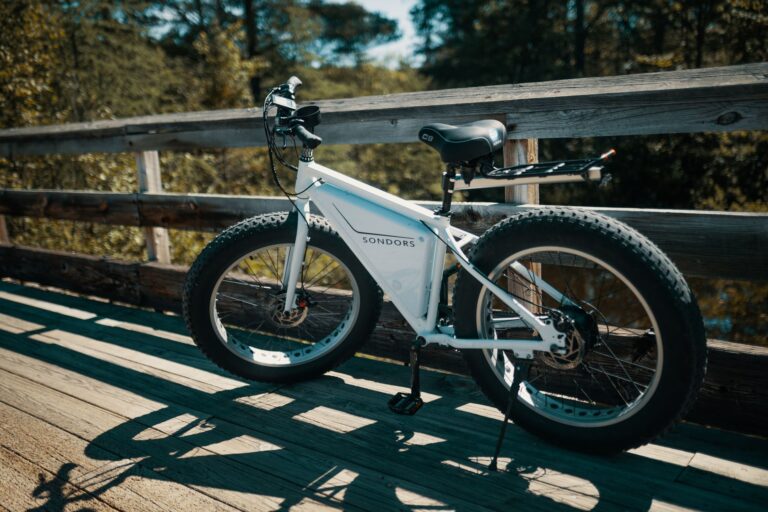
To inspect an electric mountain bike before buying, check frame condition, wheel trueness, drivetrain wear, brake power, and riding fit in that order. An electric mountain bike is a mountain bike with a battery-powered motor that assists your pedaling. Start with the structure, then move to parts that wear fast. A sound frame and true wheels matter more than a fresh battery charge or clean paint.
Table of Contents
- What should you check on the frame?
- Are the wheels and tires trail-ready?
- How do you judge the drivetrain and assist system?
- Do the brakes stop you safely?
- Does the bike fit and ride right for you?
- Frequently Asked Questions
What should you check on the frame?
Look closely at welds, joints, and the areas around the motor mount and head tube. These spots carry extra load on an assisted bike. Look for cracks, dents, deep scratches, bubbling paint, or uneven gaps that can signal damage. Press on the suspension fork and rear shock if the bike has one.
The movement should feel smooth, without sticking, squeaking, or oil on the shiny sliding tubes. Ask when seals and oil were last serviced, since trail riding wears them faster than road riding. Check that the battery locks in firmly and removes without force. Wiggle it gently when mounted. Rattling, loose latches, or damaged charging ports are warning signs.
Are the wheels and tires trail-ready?
Spin each wheel and watch the rim pass the brake pads or fork. A small side-to-side wobble can be trued, but large hops, flat spots, or cracked rims need repair. Squeeze pairs of spokes to feel for loose, broken, or very uneven tension.
Inspect the tires for worn knobs, thin sidewalls, cuts, and sealant leaks. Mountain tires use tall rubber knobs for grip, and rounded or torn knobs slip on climbs. Check that both axles are tight and that the wheels sit straight in the frame.
- Bead sits evenly around the rim on both sides
- No cuts, bulges, or exposed threads on sidewalls
- Valves hold air and accept a pump easily
- Tire size clears the frame and fork with room for mud
How do you judge the drivetrain and assist system?
The drivetrain is the chain, cassette cogs, chainring, and derailleur that move the bike when you pedal. Look for a stretched chain, hooked or shark-toothed cogs, stiff links, and rust. Shift through every gear while pedaling, since extra motor torque wears cogs quickly. Turn the assist system on and ride through each power level.
Power should start smoothly and stop when you stop pedaling. Listen for grinding from the motor, skipping under load, or delays when assist starts. Check the display, buttons, cables, and charger. The screen should show speed, assist level, and battery level without flickering. Confirm the charger fits, the charge light works, and the battery reaches a full charge.
Do the brakes stop you safely?
Electric mountain bikes are heavy, so brakes work harder than on a plain bike. Pull each lever separately and walk the bike forward. The wheel should lock firmly without the lever touching the handlebar. Look at the pads and rotors. Pads should have visible friction material left, not metal backing.
Rotors should be straight, clean, and free of deep grooves. Rubbing, squealing, pulsing, or a spongy lever often means air in hydraulic lines or contaminated pads. Ride slowly and brake hard with each brake alone, then both together. The bike should stop straight and quietly. If stopping power feels weak or uneven, plan for a brake bleed, new pads, or larger rotors before trail use.
Does the bike fit and ride right for you?
Set the saddle height so your knee stays slightly bent at the bottom of the pedal stroke. With the saddle set, check reach to the handlebar. You should grip comfortably with slightly bent elbows, without stretching or crowding. Test ride on pavement, then on a short hill if possible.
The motor should feel like strong legs, not a push from behind. Shifting should stay quiet under power, suspension should absorb bumps without bottoming out, and no creaks should come from the frame or cranks. Bring the shoes, pedals, and helmet you plan to use. Small fit changes matter more on trails, where you stand, shift weight, and steer around obstacles. Pass on a bike that needs a different frame size to feel right.
Frequently Asked Questions
Should battery health decide the purchase?
Treat it as one factor, not the whole choice. A healthy battery helps, but frame damage, worn wheels, or poor fit cost more in safety and comfort.
Is a used electric mountain bike worth considering?
It can be, if the frame is straight, the motor runs quietly, and the battery charges fully. Ask for service records and budget for new brake pads, tires, or a chain.
How do I check suspension without tools?
Press down hard, bounce, then release. Travel should feel smooth and rebound in a controlled way, not slam back or stay stuck down.