To increase cycling speed without overtraining, focus on smarter workouts, better technique, targeted strength, recovery, and nutrition rather than simply adding volume or intensity.
Why this works and how to apply it
– Prioritize quality over quantity: Do two structured sessions per week (one focused on threshold/sweet-spot work, one on technique or neuromuscular speed) plus one endurance ride to build base and cruising speed without excessive fatigue[1].
– Use tempo and sweet-spot blocks to raise sustainable speed: Sessions like 2–3 blocks of 8–12 minutes at a comfortably hard pace, or 3 x 10 minutes at tempo with easy spinning between sets, improve your ability to hold higher speeds without needing maximal efforts[1].
– Add high-cadence and cadence-variation drills to improve efficiency: Short efforts at 100–120 rpm for 30–60 seconds, cadence pyramids, or alternating high/low cadence intervals develop smoother pedal strokes and neuromuscular coordination so you go faster for the same effort[2][3].
– Practice specific technique drills: Seated climbs with a quiet upper body, single-leg drills on a trainer, and work on even power delivery reduce wasted motion and improve power transfer to speed[1][3][6].
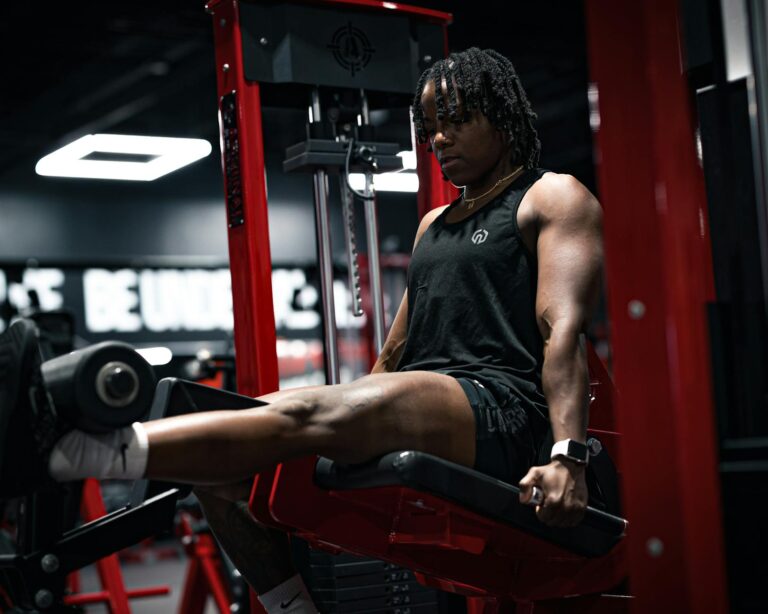
– Use strength-focused low-cadence work sparingly: Low-cadence strength drills (heavy gear, controlled revolutions) build force for sprints and climbs but should be limited (and paired with recovery) to avoid excess muscle damage[2][3].
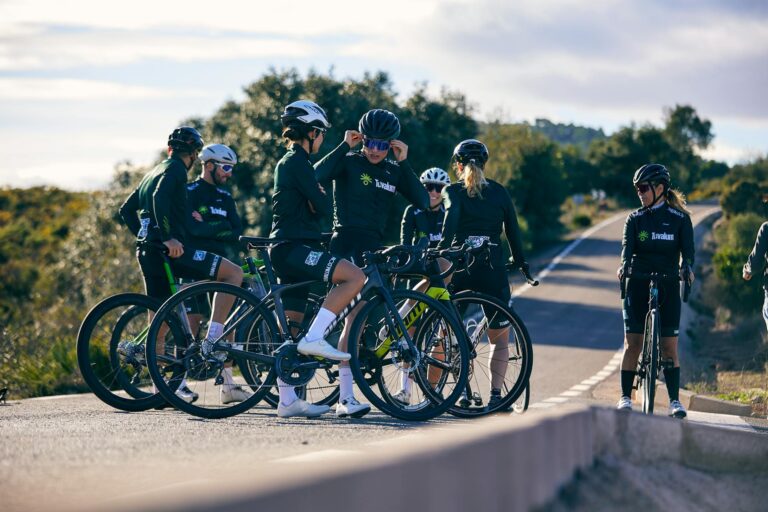
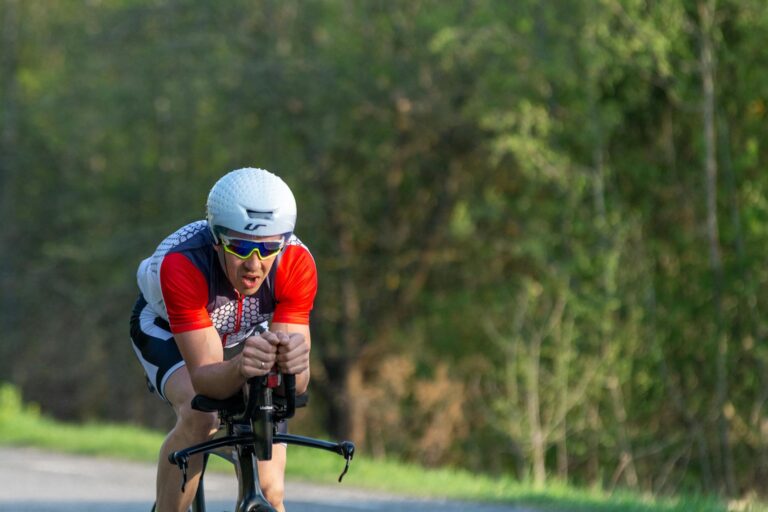
– Train wind and group-riding tactics: Learn to increase cadence into headwinds, ride in groups and rotate to share the workload, and adopt a more aero position when appropriate to maintain higher speeds with less extra effort[4].
– Keep intensity controlled with easy scaling: Aim to finish quality sessions feeling challenged but not destroyed; that preserves freshness for future sessions and prevents cumulative fatigue that causes overtraining[1].
Recovery and load management to avoid overtraining
– Schedule at least one easier day or active recovery after hard sessions and plan a lighter week every 3 to 4 weeks to let adaptation occur[1].
– Monitor objective and subjective markers: track resting heart rate, sleep quality, perceived exertion, and mood; rising fatigue, disturbed sleep, or poor motivation are signs to back off[1].
– Limit total hard efforts per week: Most recreational cyclists progress fastest with a few high-quality sessions rather than many all-out rides[1][2].
– Include mobility, soft-tissue work, and adequate sleep to speed recovery and reduce injury risk.
Nutrition and fueling for faster rides without extra training stress
– Fuel workouts to match intensity: eat a carbohydrate snack or meal before longer or harder sessions and consider intra-ride carbs for efforts over 60–90 minutes to sustain power[1].
– Prioritize daily protein (20–30 g per meal) and overall calorie sufficiency to support recovery and muscle maintenance when adding strength work[2].
– Hydration and electrolytes matter, especially in longer or hotter rides; even slight dehydration reduces sustainable power.
Practical weekly example (for a rider riding three times per week)
– Day 1 — Endurance: 60–90 minutes easy with some seated steady efforts and focus on smooth pedaling[1].
– Day 2 — Quality session: Warm up, then 3 x 10 minutes at tempo/sweet-spot with 5 minutes easy between sets; cool down[1].
– Day 3 — Technique and neuromuscular: Warm up, 6 x 1-minute high-cadence (100–120 rpm) with 2 minutes easy between; finish with skill work (cornering, seated climbs, single-leg drills)[1][2][3].
Adjust durations and intensities based on fitness and recovery; reduce intervals or swap a session for extra recovery if fatigue accumulates.
How to measure progress without overreaching
– Use sustainable metrics: increases in cruising speed for the same perceived effort, longer ability to hold tempo, smoother cadence at high RPM, and reduced perceived exertion on familiar routes indicate progress[1][2][3].
– Avoid chasing peak power numbers every session; focus on steady improvements and consistency.
Sources
https://procyclinguk.com/how-to-get-faster-on-three-rides-a-week/
https://cyclingcoachai.com/cycling-cadence/
https://www.cycleplan.co.uk/blog/cadence-and-cycling/
https://www.bikeradar.com/features/how-to-ride-into-a-headwind
https://cinchcycling.cc/blogs/news/the-pedaling-technique-tadej-is-using-to-change-the-game-in-modern-cycling
https://www.triathlete.com/training/drills-now-drill-it-later/