Fixing loose bike brakes requires tightening the cable tension using the barrel adjuster or cable anchor bolt, while overly tight brakes need the cable slackened or the brake pads repositioned away from the rim or rotor. For most cyclists, the barrel adjuster—located where the brake cable meets the lever or caliper—offers the quickest fix: turn it counterclockwise to tighten loose brakes or clockwise to loosen brakes that drag. If the barrel adjuster runs out of range, you’ll need to release the cable anchor bolt, pull the cable tighter or give it more slack, and re-secure it. A common scenario: you squeeze your brake lever and it pulls almost to the handlebar before the bike slows down.
This indicates excessive cable slack, worn brake pads, or both. Conversely, if your wheel won’t spin freely because the pads constantly rub, your brakes are too tight. Both problems reduce stopping power and make riding frustrating or dangerous. The fix usually takes less than ten minutes with basic tools. This article covers the complete process for adjusting both rim brakes and disc brakes, explains how to diagnose whether the problem is cable tension, pad wear, or caliper alignment, and addresses common complications like sticky cables and warped rotors that can masquerade as simple adjustment issues.
Table of Contents
- What Causes Bike Brakes to Become Too Loose or Too Tight?
- Adjusting Cable Tension on Rim Brakes
- Fixing Disc Brakes That Drag or Feel Weak
- Cable and Housing Problems That Mimic Adjustment Issues
- When Brake Pads Need Replacement Instead of Adjustment
- Maintaining Proper Brake Adjustment Long-Term
What Causes Bike Brakes to Become Too Loose or Too Tight?
Brake feel changes over time due to cable stretch, pad wear, and component settling. new bikes almost always need brake adjustment within the first few weeks of riding because cables stretch under load and housing settles into its stops. A brake that felt perfect in the shop often becomes spongy after fifty miles. This is normal and doesn’t indicate a defect. Pad wear is the most common culprit for gradually loosening brakes.
As the rubber or compound wears down, the pads sit farther from the braking surface, requiring more cable pull to make contact. Rim brake pads on a commuter bike ridden daily in wet conditions might wear noticeably in just a few months, while disc brake pads can last a year or more depending on riding style and conditions. The fix is either adjusting cable tension to compensate or replacing worn pads entirely. Brakes become too tight through over-adjustment, caliper misalignment, or mechanical issues like a bent rotor or sticky pivot points. Sometimes a well-meaning adjustment introduces new problems—tightening one side of a V-brake without matching the other side causes uneven pad contact and wheel rub. Temperature changes can also affect brake feel, particularly with hydraulic disc brakes where fluid expands in heat.

Adjusting Cable Tension on Rim Brakes
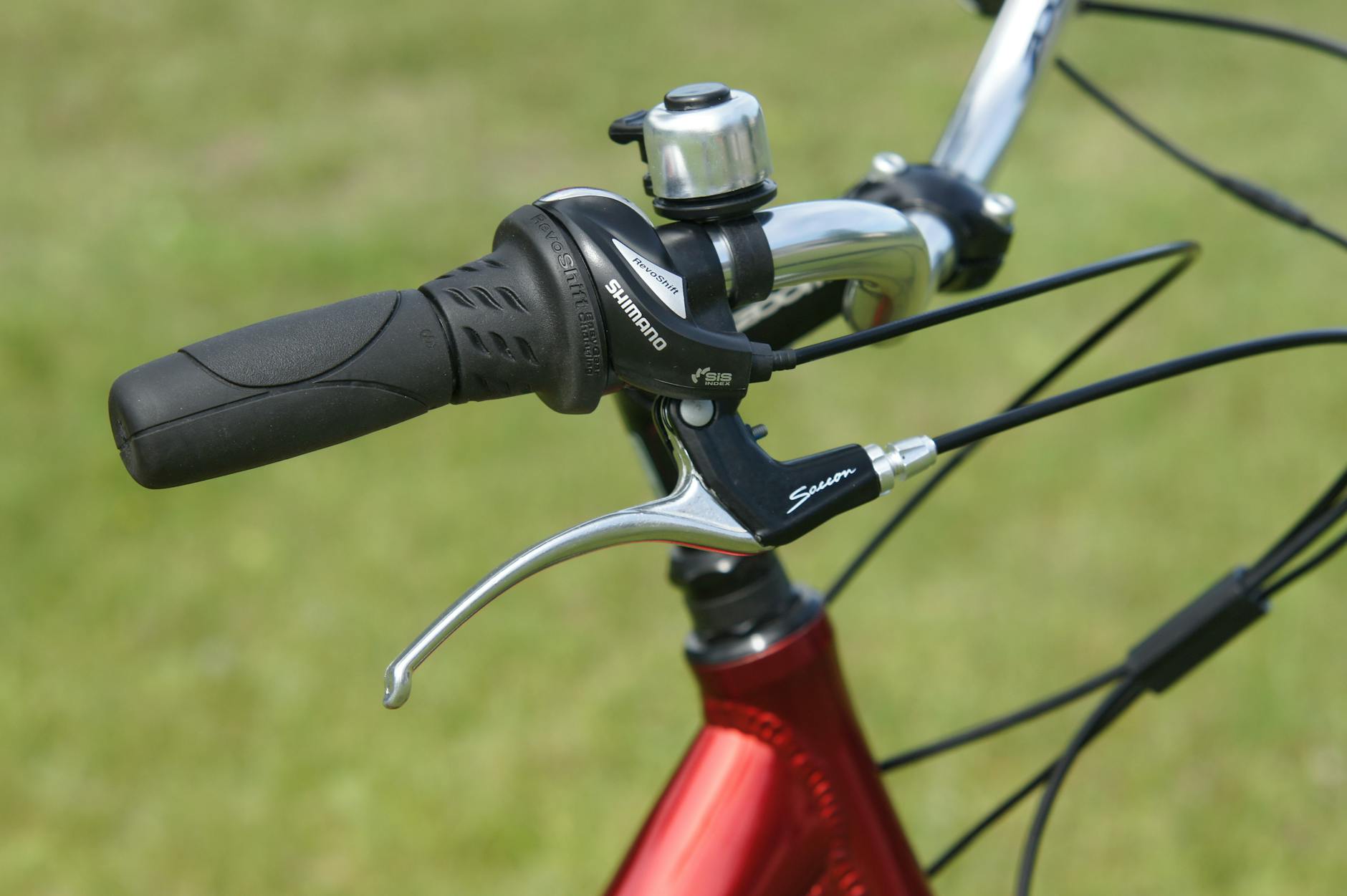
The barrel adjuster is your first tool for fine-tuning rim brake tension. Located on the brake lever, at the caliper, or both, this threaded cylinder allows cable adjustment without tools. To tighten loose brakes, turn the barrel adjuster counterclockwise (as viewed from the cable’s perspective) in half-turn increments, testing lever feel after each adjustment. You want the brake pads to contact the rim when the lever is pulled about halfway to the handlebar—close enough for quick stopping but with enough travel to modulate pressure. For brakes that are significantly loose, the barrel adjuster alone won’t suffice. You’ll need to reset the cable anchor.
Loosen the bolt securing the cable to the caliper, squeeze the brake arms to position the pads about 2-3mm from the rim, pull the cable taut with pliers, and retighten the anchor bolt. Then use the barrel adjuster for final fine-tuning. This two-step approach—coarse adjustment at the anchor, fine adjustment at the barrel—gives you the full range of control. However, if your brakes feel loose even with fresh adjustment, check the pads and cables before adjusting further. Worn pads with less than 2mm of material need replacement, not compensation through tighter cables. Frayed or corroded cables create inconsistent tension and should be replaced. Adjusting around these problems creates a temporary fix that fails at the worst possible moment.
Fixing Disc Brakes That Drag or Feel Weak
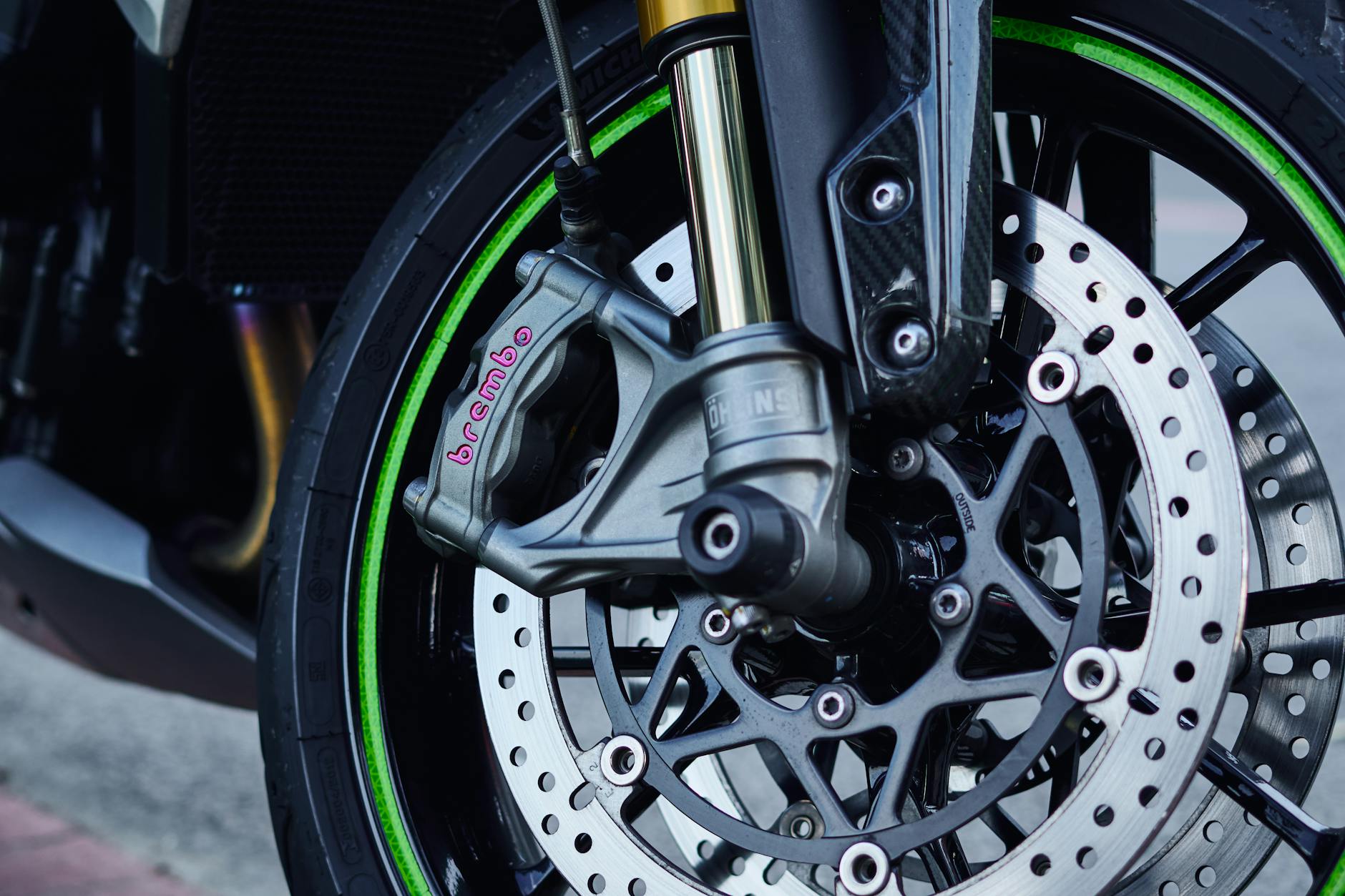
Disc brake adjustment differs fundamentally from rim brakes. Mechanical disc brakes use cable tension similar to rim brakes, while hydraulic disc brakes self-adjust for pad wear and require different troubleshooting. For mechanical discs with pad rub, first check that the wheel is seated correctly in the dropouts—a slightly misaligned wheel causes immediate rotor contact with the pads. Caliper alignment is the primary adjustment for disc brake rub. Loosen the two bolts mounting the caliper to the frame or fork, squeeze the brake lever firmly to center the caliper over the rotor, and tighten the bolts while holding the lever. Release and spin the wheel. If rubbing persists, you may need to manually adjust caliper position by eye, using a flashlight to see the gap between rotor and pads. The gap should be even on both sides and just large enough that the rotor spins freely. Hydraulic disc brakes that feel spongy or require excessive lever pull often have air in the system rather than a simple adjustment issue. Bleeding hydraulic brakes—forcing fresh fluid through to push out air bubbles—requires specific fluid for your brake brand (DOT fluid or mineral oil, never interchangeable) and a bleed kit. This job is manageable at home but mistakes can damage seals or introduce contamination.
If your hydraulic brakes suddenly lose power, check pad wear first; extremely worn pads force the pistons out so far that lever feel becomes vague even without air in the system. ## How to Center Brake Pads for Even Contact Uneven pad contact causes braking problems even when cable tension is correct. On rim brakes, one pad touching before the other creates a pulling sensation and reduces stopping power. V-brakes and cantilevers have a spring tension screw on each arm—tightening the screw on the side that contacts first increases spring pressure on that arm, pushing it away from the rim. Small quarter-turn adjustments make noticeable differences. For caliper road brakes, the centering adjustment is typically a single screw or Allen bolt on top of the caliper. Turning this screw shifts both arms simultaneously, moving the entire brake assembly left or right relative to the rim. If your caliper brake rubs on one side only, this centering adjustment usually solves it within a few turns. Pad alignment matters too, not just centering. Rim brake pads should contact the rim flat and square, not tilted or toe-in excessively. Some mechanics set slight toe-in—where the front of the pad touches first—to reduce squealing, but too much toe-in accelerates pad wear and reduces braking surface contact. The pad should strike the rim surface only, never touching the tire or dipping below the rim edge where it can catch spokes or damage the rim sidewall.
Cable and Housing Problems That Mimic Adjustment Issues
Sometimes brakes feel wrong despite correct adjustment because the cables themselves are compromised. Sticky cables—caused by corrosion, fraying, or contaminated housing—create inconsistent lever feel and slow brake release. You might adjust the brakes perfectly only to find them dragging again because the cable doesn’t slide freely back through the housing when you release the lever. Diagnosing cable problems requires disconnecting the cable at the caliper and pulling the lever. The cable should move smoothly with minimal resistance. Grinding, catching, or visible rust indicates replacement time.
Housing with kinked sections or cracked ferrules also impedes cable movement. A complete cable and housing replacement costs under twenty dollars in parts and dramatically improves brake feel on any bike over a few years old. The tradeoff with cable replacement is setup time versus incremental improvement. If your cables are merely adequate but not terrible, you might prefer living with slightly inconsistent brakes rather than spending an hour re-routing and adjusting new cables. But if you’re already troubleshooting persistent brake problems, new cables eliminate one variable and often solve the issue entirely. Mechanics frequently replace cables preemptively during brake service because so many “adjustment” problems trace back to cable condition.
When Brake Pads Need Replacement Instead of Adjustment
Brake pad wear indicators exist for a reason. Rim brake pads have grooves or lines molded into the surface; when these disappear, the pad is worn out. Disc brake pads typically have a metal backing plate visible when the compound wears thin—if you see mostly metal and little pad material, replacement is overdue. Continuing to ride on worn pads damages rims or rotors, turning a ten-dollar pad replacement into an eighty-dollar rim or rotor replacement.
Contaminated pads also need replacement regardless of remaining material. Oil, bike lubricant, or automotive fluids absorbed into brake pads cause squealing, reduced stopping power, and inconsistent feel. You can sometimes salvage lightly contaminated rim brake pads by sanding the surface, but disc brake pads absorb contaminants deeply and rarely recover full performance. One careless spray of chain lube that drifts onto your rotor can ruin a set of disc pads.
Maintaining Proper Brake Adjustment Long-Term
Regular inspection prevents brake problems from becoming safety issues. A monthly check takes thirty seconds: squeeze each lever and verify firm engagement well before the lever reaches the handlebar, spin each wheel and listen for rubbing, and visually confirm pad material remains adequate. Catching small changes early means minor barrel adjuster tweaks rather than emergency trailside repairs.
Seasonal maintenance matters more than most cyclists realize. Wet winter riding accelerates pad and cable wear dramatically. Spring is an ideal time for cable replacement and thorough brake inspection, addressing accumulated wear before summer riding increases. Bikes stored for months may need brake adjustment simply because cables and housing settle during storage, even without riding wear.