Understanding how to convert your regular bike into an electric bike at home represents one of the most important considerations for anyone involved in the rapidly growing world of electric cycling. Whether you are just getting started or have years of experience under your belt, the information covered here will help you make better decisions and get more enjoyment from your rides.
This comprehensive guide breaks down everything you need to know about this topic. We cover the essential concepts, practical applications, and real-world tips that come from extensive research and hands-on experience in electric bikes. By the end of this article, you will have a clear understanding of how to apply this knowledge to your own cycling journey.
The cycling community continues to evolve, and staying informed about topics like this helps you make the most of your time on two wheels. Let us dive into the details and explore what makes this subject so important for cyclists at every level.
Table of Contents
Why Convert Your Regular Bike Into an Electric Bike at Home Matters
Understanding why this topic matters provides context for the detailed information that follows. Without appreciation for significance, technical details remain abstract.
Impact on Experience
This subject directly affects your enjoyment and satisfaction with cycling. Getting it right enhances every ride, while neglecting it creates ongoing frustration.
Safety Implications
Proper understanding and application contributes to safe cycling. Mistakes or oversights in this area can have serious consequences for rider safety.
Performance Effects
Whether pursuing fitness, transportation efficiency, or competitive results, this topic influences outcomes. Informed approaches yield better performance.
Financial Considerations
Knowledge helps avoid wasteful spending and identifies genuine value. Understanding what matters prevents both over-spending on unnecessary features and false economy on important items.
Long-term Satisfaction
Decisions in this area affect cycling enjoyment for years. Investment in understanding pays ongoing dividends throughout your cycling journey.
Community and Social Aspects
Sharing knowledge and experiences builds connections with fellow cyclists. Understanding enables meaningful participation in cycling communities.
Taking time to understand this topic thoroughly represents an investment in better cycling experiences. The effort returns value for as long as you continue riding.
What You Will Need Before Starting
Proper preparation sets the stage for success. Having the right tools, equipment, and mindset before you begin makes the entire process smoother and more enjoyable.
Essential Items
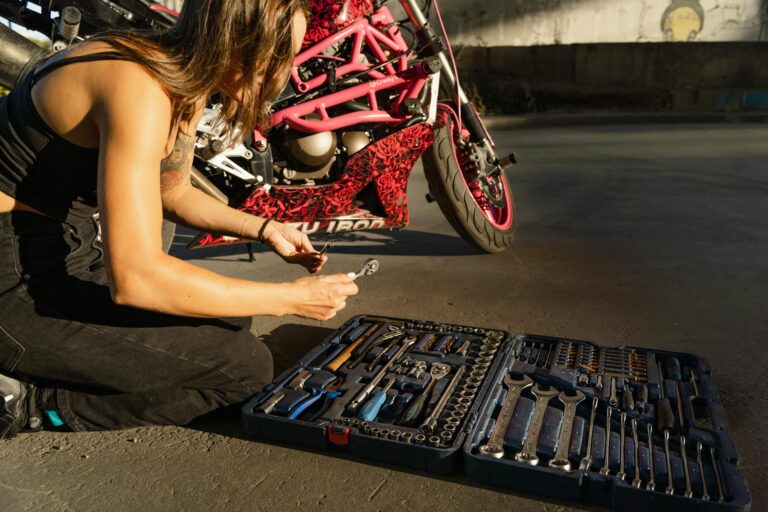
- Basic Tools: A set of hex wrenches, screwdrivers, and tire levers covers most situations
- Safety Gear: Appropriate protection for the task at hand
- Clean Workspace: A well-lit area with enough room to work comfortably
- Reference Materials: Manuals, guides, or reliable online resources for your specific equipment
Helpful Additions
- Work Stand: Elevates your bike for easier access to components
- Torque Wrench: Ensures proper tightening of critical fasteners
- Cleaning Supplies: Degreaser, lubricant, and clean rags
- Spare Parts: Common consumables like tubes, cables, and brake pads
You do not need every item on this list to get started. Begin with the essentials and add to your collection as you gain experience and take on more complex tasks. Many cyclists build their toolkit gradually over years of riding.
Quality matters more than quantity. Investing in well-made tools from reputable brands pays dividends in durability and ease of use. Cheap tools often strip fasteners or break at inconvenient moments.
Step-by-Step Instructions
Following a systematic approach yields the best results. These steps have been refined through extensive practical experience and represent best practices in the cycling community.
Step 1: Assessment and Preparation
Begin by evaluating your current situation. Take note of what you are working with and identify any potential issues or complications. Gather all necessary materials before proceeding.
Step 2: Initial Setup
Position everything for easy access. Ensure good lighting and a stable work surface. If working on your bike, secure it properly so it does not move during the process.
Step 3: Execute the Core Process
Work methodically through the main task. Take your time and do not rush. If something does not seem right, stop and reassess before continuing.
Step 4: Fine-Tuning and Adjustment
Make necessary adjustments to optimize the outcome. Small refinements often make significant differences in final results.
Step 5: Testing and Verification
Verify that everything functions as expected. Test under controlled conditions before relying on your work in more demanding situations.
Step 6: Final Checks
Double-check all fasteners, connections, and adjustments. A few extra minutes of verification prevents problems down the road.
Document what you learn during this process. Notes about what worked well and what required adjustment become valuable references for future work.
Common Mistakes to Avoid
Learning from the mistakes of others saves time, money, and frustration. These common pitfalls trip up cyclists at all experience levels.
Rushing the Process
Impatience leads to errors. Taking shortcuts or skipping steps often creates bigger problems than the time saved. Approach each task with appropriate attention and care.
Using Incorrect Tools or Techniques
The right tool for the job matters enormously. Improvising with unsuitable alternatives frequently damages components or creates safety hazards.
Ignoring Manufacturer Specifications
Torque values, compatibility requirements, and service intervals exist for good reasons. Disregarding these guidelines invites premature wear or component failure.
Skipping Safety Precautions
Proper protective equipment and safe working practices prevent injuries. The few seconds saved by skipping safety steps pale compared to the consequences of an accident.
Not Testing Before Riding
Always verify your work before heading out on a ride. A brief test in a safe environment catches issues before they become dangerous situations on the road or trail.
Failing to Ask for Help
Pride sometimes prevents cyclists from seeking assistance. Experienced mechanics, knowledgeable friends, and helpful online communities provide valuable guidance when you encounter unfamiliar territory.
Tips for Better Results
These practical tips come from years of collective experience in the cycling community. Incorporating them into your approach improves outcomes and makes the process more enjoyable.
- Start Simple: Master the basics before attempting advanced techniques. Building a solid foundation prevents frustration and costly mistakes.
- Keep Records: Document maintenance, adjustments, and modifications. This history helps troubleshoot issues and track what works best for you.
- Invest in Quality: Better equipment and components typically last longer and perform more reliably. The initial cost often proves economical over time.
- Learn Continuously: The cycling world constantly evolves. Stay curious and open to new information, techniques, and technologies.
- Connect with Others: Join local clubs, online forums, or group rides. Fellow cyclists share valuable knowledge and experience.
- Practice Regularly: Skills improve with repetition. Regular practice builds confidence and muscle memory.
- Listen to Your Body: Discomfort signals that something needs attention. Address issues early before they become serious problems.
- Enjoy the Process: Cycling should be fun. Approach challenges with curiosity rather than frustration.
Adapting these general principles to your specific situation yields the best results. Everyone’s cycling journey is unique, and what works perfectly for one person may need modification for another.
How to Practice and Improve
Improvement comes through deliberate practice and consistent effort. These strategies help you develop skills more effectively.
Establish a Regular Routine
Consistency matters more than intensity. Regular practice, even in small amounts, builds skills faster than occasional marathon sessions. Find a sustainable rhythm that fits your schedule.
Focus on Specific Skills
Identify particular areas for improvement and concentrate your efforts there. Targeted practice addresses weaknesses more efficiently than general riding.
Seek Feedback
Outside perspectives reveal blind spots in your technique. Riding with more experienced cyclists, taking lessons, or recording yourself provides valuable insights.
Progressive Challenges
Gradually increase difficulty as your abilities grow. Challenges that stretch your current limits without overwhelming you promote optimal development.
Reflect on Performance
After each practice session or ride, consider what went well and what needs work. This reflection guides future efforts and accelerates improvement.
Celebrate Progress
Acknowledge improvements, even small ones. Recognizing your development maintains motivation and makes the journey more enjoyable.
Patience proves essential. Meaningful improvement takes time, and plateaus are normal parts of the learning process. Trust the process and keep putting in the work.
Troubleshooting Common Issues
Problems arise even with careful attention and proper technique. A systematic approach to troubleshooting resolves most issues efficiently.
Issue: Unexpected Behavior or Performance
Possible Causes: Worn components, improper adjustment, contamination, or damage
Solutions: Inspect all related components, verify adjustments against specifications, clean affected areas, and replace worn or damaged parts
Issue: Noises or Vibrations
Possible Causes: Loose fasteners, worn bearings, misalignment, or debris
Solutions: Systematically check and tighten all fasteners, inspect bearings for wear or contamination, verify alignment, and clean thoroughly
Issue: Inconsistent Results
Possible Causes: Variable technique, environmental factors, or equipment variation
Solutions: Standardize your approach, account for conditions, and ensure equipment consistency
Issue: Premature Wear
Possible Causes: Improper setup, contamination, overuse, or poor quality components
Solutions: Review setup and adjustment, improve maintenance practices, allow adequate recovery time, and consider higher quality alternatives
When to Seek Professional Help
Some issues require specialized tools, expertise, or experience beyond what most cyclists possess. Recognizing when to consult a professional prevents costly mistakes and ensures safety.
Visual Data Overview
Frequently Asked Questions
How long does it take to learn about convert your regular bike into an electric bike at home?
Basic understanding develops within a few sessions of focused study and practice. Deeper expertise builds over months and years of continued engagement. Most cyclists develop comfortable proficiency within their first season of regular riding.
Do I need special equipment for convert your regular bike into an electric bike at home?
Basic cycling equipment suffices for getting started. As you progress, specialized tools or components may enhance your experience. Begin with what you have and add equipment as specific needs become clear.
Can beginners tackle convert your regular bike into an electric bike at home?
Yes, with appropriate preparation and realistic expectations. Start with fundamentals and progress gradually. Many resources exist specifically for those new to cycling.
How much should I budget for convert your regular bike into an electric bike at home?
Budgets vary widely depending on goals and existing equipment. Entry-level approaches cost relatively little, while pursuing high performance requires greater investment. Start modest and invest more as your commitment and expertise grow.
Where can I learn more about convert your regular bike into an electric bike at home?
Local bike shops provide personalized guidance. Online resources offer extensive information. Cycling clubs and communities share practical experience. Professional instruction accelerates learning for those wanting structured development.
What mistakes should I avoid with convert your regular bike into an electric bike at home?
Common mistakes include rushing the learning process, skipping fundamentals, and not seeking help when needed. Take your time, build a solid foundation, and do not hesitate to ask experienced cyclists for guidance.
Conclusion
Understanding how to convert your regular bike into an electric bike at home opens doors to more enjoyable and successful cycling experiences. The concepts, techniques, and recommendations covered in this guide provide a solid foundation for making informed decisions and developing your skills.
Remember that cycling is ultimately about enjoyment. While technical knowledge helps optimize your experience, the real reward comes from time spent on the bike. Apply what you have learned here in service of more and better riding.
Your cycling journey is unique. Adapt the guidance in this article to your specific situation, goals, and preferences. What works for others provides useful starting points, but your own experience will ultimately guide you to what works best for you.
Keep learning, keep riding, and enjoy the journey.