The right size bike for your child is determined primarily by wheel size, which correlates with your child’s inseam measurement rather than their age or height alone. A properly sized bike allows your child to straddle the frame with both feet flat on the ground while standing, with one to two inches of clearance between them and the top tube. For example, a child with a 20-inch inseam typically fits a 16-inch wheel bike, while a 24-inch inseam generally corresponds to a 20-inch wheel. This inseam-to-wheel-size relationship is the most reliable starting point, though handlebar reach and overall frame geometry also matter.
Getting the size right has real consequences beyond comfort. An oversized bike””often purchased with the logic that a child will “grow into it”””compromises control and braking ability, which can lead to crashes and erode a young rider’s confidence. A bike that’s too small forces cramped positioning that strains knees and back while limiting pedaling efficiency. Either scenario tends to result in a bike that collects dust in the garage rather than getting ridden. This article covers the practical methods for measuring your child and matching those measurements to bike sizes, explains how different bike types affect sizing decisions, addresses the adjustment features that can extend a bike’s useful life, and helps you recognize when it’s genuinely time to size up.
Table of Contents
- What Measurements Determine the Right Bike Size for a Child?
- Understanding Wheel Sizes and Frame Geometry for Kids’ Bikes
- The Balance Bike Factor: When Sizing Starts Before Pedals
- When “Growing Into” a Bike Backfires: Common Sizing Mistakes
- Adjustability Features That Extend a Bike’s Lifespan
- Buying Used: Additional Sizing Considerations
- How Kids’ Bike Sizing Differs by Riding Discipline
- Conclusion
What Measurements Determine the Right Bike Size for a Child?
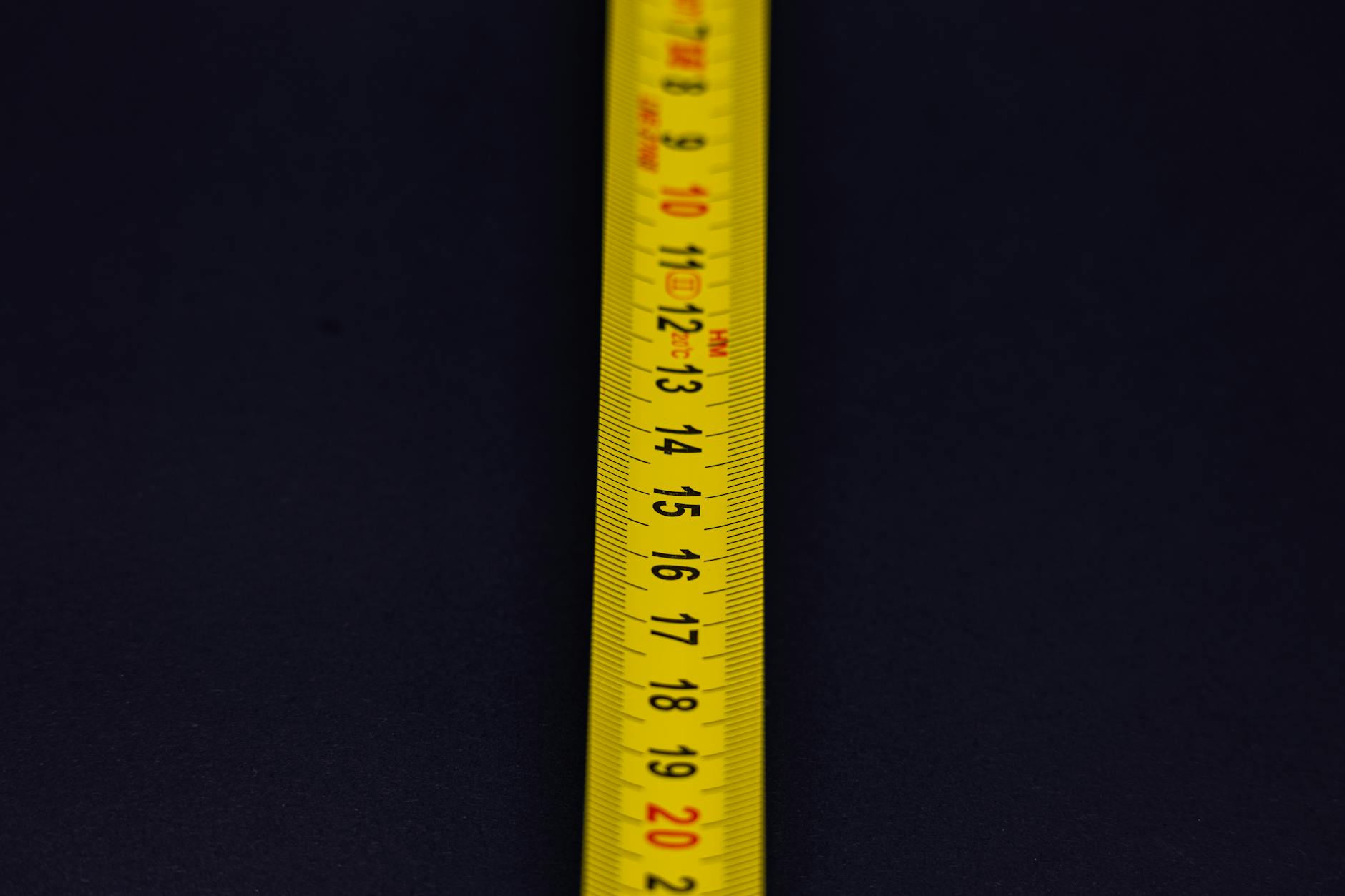
Inseam length is the single most important measurement for with-internal-gear-hub/” title=”How to Choose a Hybrid Bike With Internal Gear Hub”>bike sizing, more predictive than age or overall height. To measure it accurately, have your child stand against a wall without shoes, place a hardcover book between their legs snug against their crotch, and measure from the top of the book to the floor. This mimics how they’ll straddle the bike frame. A child measuring 18 inches typically needs a 14-inch wheel bike; at 22 inches, they’re ready for an 18-inch wheel; and at 26 inches, a 24-inch wheel usually fits. Height and age serve as rough secondary indicators but shouldn’t override inseam data.
Bike manufacturers publish age ranges like “5-8 years” primarily for marketing convenience, not biomechanical precision. Two seven-year-olds can differ by six inches in inseam length depending on their proportions. The child with longer legs relative to their torso will need to size up sooner, even if both children are the same overall height. Arm reach matters for handlebar fit but is harder to measure at home. A reasonable proxy is having your child sit on the saddle with hands on the grips””their elbows should have a slight bend, roughly 15 to 20 degrees, and they shouldn’t have to stretch or hunch to reach. If you’re between sizes based on inseam alone, arm reach often becomes the tiebreaker.
Understanding Wheel Sizes and Frame Geometry for Kids’ Bikes
Children’s bikes are categorized by wheel diameter in inches: 12, 14, 16, 18, 20, 24, and 26. Each wheel size corresponds to a frame designed around certain body proportions. A 12-inch bike typically has a lower standover height, shorter crank arms, and narrower handlebars than a 20-inch model””the entire geometry scales together. This is why swapping wheel sizes on an existing frame doesn’t work; the whole bike is engineered as a system. However, wheel size categories aren’t perfectly standardized across brands.
A 20-inch bike from one manufacturer might have a longer top tube than another brand’s 20-inch model, affecting reach even when standover height is similar. Higher-quality children’s bikes from companies like Woom, Prevelo, or Cleary tend to have more refined geometry with lower standover heights and lighter frames that make learning easier. Budget bikes often have heavier steel frames with taller standover clearance at the same wheel size, meaning your child might technically fit the wheel size but struggle with the frame design. Standover height””the distance from the ground to the top tube””varies significantly even within the same wheel size category. A child who fits one brand’s 16-inch bike might find another brand’s 16-inch model too tall to straddle comfortably. Always check the specific standover measurement if you’re buying online without a test ride.
The Balance Bike Factor: When Sizing Starts Before Pedals
Balance bikes have changed how children learn to ride and, consequently, how early sizing decisions work. These pedal-free bikes with 12-inch or 14-inch wheels let children as young as 18 months develop balance and steering skills before dealing with pedaling mechanics. A child who has mastered a balance bike often transitions directly to a 16-inch pedal bike around age four or five, skipping training wheels entirely. For example, a child who starts on a 12-inch balance bike at age two might ride it until their inseam outgrows it around age four. At that point, their balance skills are developed enough that they can handle a 16-inch pedal bike immediately, whereas a child without balance bike experience might need to start on a smaller 14-inch pedal bike with training wheels and work up gradually. This difference can save one bike purchase and several months of the training wheel phase. Balance bike sizing follows the same inseam principles as pedal bikes, with one addition: the seat must adjust low enough that your child can sit with feet flat on the ground, since they’ll be walking and gliding rather than pedaling. Check the minimum seat height specification and ensure it’s at or below your child’s inseam measurement. ## How to Test Ride and Evaluate Bike Fit Before Buying The standover test comes first: have your child straddle the bike while standing flat-footed.
There should be one to two inches of clearance between the top tube and their body. Less clearance means the frame is too large; substantially more might indicate a size down would provide better control, though some clearance variation is normal. Next, observe them seated on the saddle with one pedal at its lowest point. Their leg should be nearly extended with a slight bend at the knee””roughly 80 to 90 percent straight. Full extension or significant bend at bottom dead center indicates the seat height is wrong, but seat height is adjustable within a range. The question is whether the bike’s seat post offers enough adjustment travel to accommodate current fit and near-term growth. Compare the effort required to handle the bike versus one size smaller. A child who can technically straddle a 20-inch bike might maneuver a 18-inch model with noticeably more confidence””picking it up after drops, walking it around obstacles, mounting and dismounting without struggle. The tradeoff is longevity versus immediate capability. For a child just learning, erring toward the smaller size often produces better outcomes because competence builds confidence, and confidence keeps them riding.

When “Growing Into” a Bike Backfires: Common Sizing Mistakes
Buying a bike one size too large with the expectation that a child will grow into it is the most common sizing mistake, driven by understandable parental economics. The problem is that an oversized bike compromises the learning experience during the critical early months. A child who can barely reach the ground, can’t brake effectively, or struggles to steer around obstacles often develops fear rather than skill. That bike becomes a frustrating object they avoid. Reach is often the overlooked dimension when parents size up prematurely.
Even if a child can touch the ground by scooting forward on an oversized saddle, the handlebars are now too far away, creating a stretched-out posture that limits control. Shortened stems can partially compensate for excess reach, but there are limits to how much geometry can be adjusted””typically no more than 20 millimeters of stem length change is advisable on children’s bikes without affecting handling predictably. The inverse mistake””keeping a child on a too-small bike for too long””is less common but still problematic. Signs that a bike has been outgrown include knees hitting the handlebars at the top of the pedal stroke, inability to raise the saddle high enough for proper leg extension, and cramped-looking posture where the child hunches over despite the bars being at maximum height. At this point, no adjustment can compensate; it’s time for the next size.
Adjustability Features That Extend a Bike’s Lifespan
Quality children’s bikes include adjustment features that can add a year or more to the usable lifespan of a properly sized purchase. Seat posts with long travel ranges allow the saddle to rise several inches as legs lengthen. Handlebar stems with adjustable angles can raise or extend the reach as torsos grow. Some brands design their frames specifically for extended adjustability””Woom bikes, for instance, advertise fitting children for roughly a three-year span per size under normal growth patterns. Quick-release seat post clamps make frequent small adjustments practical, which matters because children grow in spurts rather than gradual increments.
A bike that fit perfectly in April might need a half-inch saddle raise by July. If adjusting the seat requires tools that aren’t readily available, those tweaks often don’t happen, and fit degrades. Look for tool-free adjustment where possible, particularly on the seat post. However, adjustment features can’t overcome a fundamental size mismatch. If the frame’s wheel size is wrong, no amount of seat post extension or stem swapping will produce good fit. These features extend range within a size category; they don’t substitute for proper initial sizing.

Buying Used: Additional Sizing Considerations
The used children’s bike market is substantial because kids outgrow bikes relatively quickly, often leaving frames in excellent condition. Sizing a used bike requires the same inseam-based approach, but you’ll also want to verify the adjustment range hasn’t been exhausted.
Check that the seat post isn’t already at maximum height and that the stem hasn’t been extended to its limit. If the previous owner maxed out the adjustments, your child is starting at the end of the bike’s range. For example, a used 20-inch bike with the seat post already at maximum extension might work for a child whose inseam is at the top of the 20-inch range today””but within six months of growth, they’ll have outgrown it, delivering minimal value despite the lower purchase price.
How Kids’ Bike Sizing Differs by Riding Discipline
The type of riding affects optimal sizing. For casual neighborhood riding and learning, erring toward the smaller end of the range improves confidence and handling. For children doing BMX or mountain biking, the conventions shift.
Mountain bike sizing often runs slightly larger to accommodate more aggressive body positioning and to provide stability at speed. BMX bikes typically run smaller than road or casual bikes for the same age range because maneuverability matters more than seated pedaling efficiency. A child who rides multiple disciplines might genuinely need different sizes for different bikes, which seems redundant until you see how differently a BMX bike and a trail bike handle. Parents with serious young riders sometimes maintain two bikes in different sizes for this reason, though for recreational riders a single properly sized bike serves fine across casual uses.
Conclusion
Sizing a bike correctly for a child starts with measuring inseam length and matching it to the appropriate wheel size category, then verifying fit through standover clearance, saddle height range, and handlebar reach. The temptation to buy large for growth almost always backfires; a bike that fits today gets ridden today, and a ridden bike is how skills develop.
Quality adjustment features can extend the usable lifespan within a size category, but they can’t compensate for a frame that’s fundamentally too large or too small. The practical path forward is to measure your child’s inseam, consult the size chart for any bike you’re considering, test ride when possible, and prioritize current fit over hoped-for future fit. Resale markets for children’s bikes are robust precisely because many parents successfully buy, use, and sell bikes as their children grow””a properly sized bike that gets a year or two of heavy use and resells for half its purchase price often delivers better value than an oversized bike that sits unused.