The best way to choose bike fenders for rain protection is to prioritize full-coverage models that extend well below your wheel’s equator and include a mudflap to direct water away from your feet and drivetrain. Full-coverage fenders provide maximum rain protection by containing spray and moisture, making them the most effective option for serious wet-weather commuting. If you’re currently riding without fenders in the rain, installing proper fenders could be the single most impactful upgrade you make for comfort and cleanliness.
This article covers the different types of fenders available, the materials that work best, how to size them correctly for your bike, and what to watch out for during installation so you end up with truly effective rain protection rather than a false sense of security. The key decision isn’t between fancy or cheap—it’s between designs that actually work and ones that give you a false sense of protection. A poorly designed fender can actually leave you wetter than riding without one, so understanding what makes a fender effective matters before you spend any money.
Table of Contents
- What Types of Bike Fenders Work Best for Wet Conditions?
- Why Mudflaps and Interior Design Make the Difference
- Sizing Your Fenders for Maximum Protection
- Frame Compatibility and Installation Requirements
- Common Mistakes That Undermine Rain Protection
- Budget Options That Actually Deliver Rain Protection
- Maximizing Your Fenders’ Effectiveness Over Time
- Conclusion
- Frequently Asked Questions
What Types of Bike Fenders Work Best for Wet Conditions?
Full-coverage fenders are the gold standard for rain protection because they cover the entire wheel from above the tire upward and down past the wheel’s equator. This design intercepts water spray before it ever reaches you. The coverage is comprehensive enough that you stay significantly drier during steady rain or puddle splashes. For someone commuting through wet conditions regularly, full-coverage fenders are worth the permanent installation because they provide reliable protection season after season. Clip-on fenders offer a more flexible alternative when you want protection without permanent mounting.
Models like the SKS Raceblade Pro and Raceblade XL attach quickly to your seatpost or fork crown and remove just as easily. This approach works well if you only encounter rain occasionally or if you need to switch between multiple bikes. The tradeoff is that clip-on fenders typically don’t offer the same coverage depth as full-coverage models, so you’ll still experience some splashing during heavy rain. They’re better suited to casual riders who want temporary splash protection rather than comprehensive rain management. The choice between these types comes down to how often you ride in wet conditions and whether you want a permanent solution or something you can remove when weather improves.
Why Mudflaps and Interior Design Make the Difference
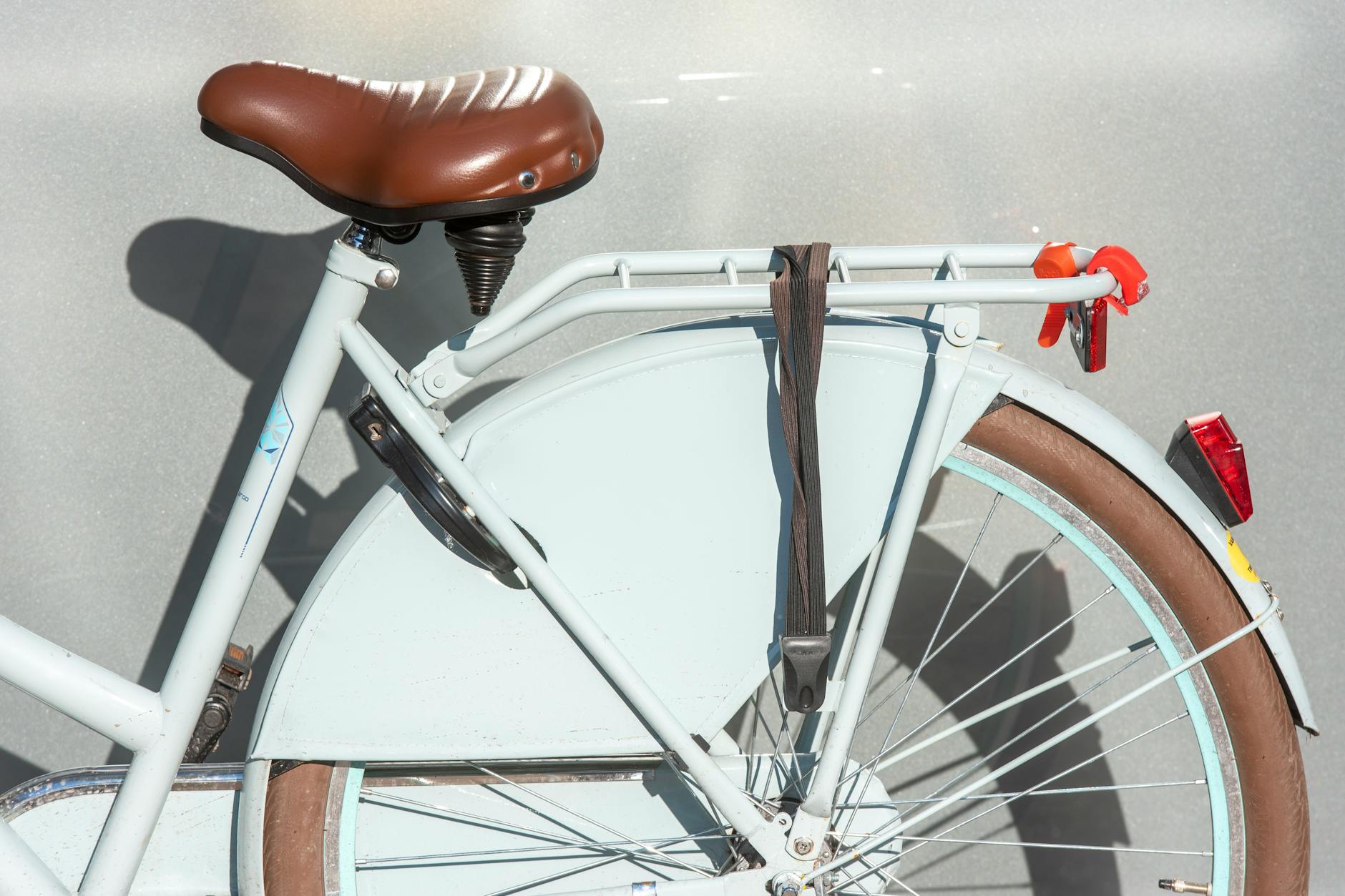
This is where many riders get fooled. A fender without a mudflap creates a paradoxical problem: water running down the fender gets incorporated into the spray from the front wheel, actually leaving your feet wetter than if you had no fender at all. A proper mudflap releases water far enough down the fender that it falls back onto the road surface instead of splashing back onto your shoes or drivetrain. This seemingly small detail is the difference between a fender that works and one that creates a false sense of protection.
The interior design of your fender matters just as much as the mudflap. Excellent fenders have an uninterrupted interior and rolled edges that keep water contained inside the fender rather than allowing it to splash outward. When water hits the wheel, you want it trapped within the fender structure where gravity can pull it down and out—not bouncing around the edges where it can spray back at you. This is a subtle design choice that experienced cyclists notice immediately when comparing fenders side by side. Most riders don’t realize that fender effectiveness depends as much on what keeps the water inside as it does on having coverage in the first place.
Sizing Your Fenders for Maximum Protection
The fundamental sizing rule is straightforward: a fender should be at least 8mm wider than the tires it covers. This isn’t just a recommendation—it’s the minimum spec for effective protection. When a fender is too narrow relative to your tire width, water and mud spray escape around the sides rather than being contained. If you’re running 40mm tires, you need at least a 48mm wide fender; if you’re on 55mm tires, you’re looking at a minimum of 63mm. Fenders are categorized by wheel diameter, not tire width alone.
You’ll find fenders labeled for 700c, 650b, 26 inches, 29 inches, and other wheel sizes. This wheel diameter must match your actual wheel, or the geometry won’t work—a 700c fender won’t fit a 650b wheel properly, and you’ll have coverage gaps. For example, Planet bike Cascadia fenders designed for 29-inch wheels come in a 65mm width that accommodates tires up to 55mm wide and have been tested to handle muddy streets and heavy downpours without fluttering or cracking. Knowing your exact wheel size and tire width before shopping ensures you get fenders that actually fit your bike. Take five minutes to measure your current tire width and verify your wheel size—this one-time check prevents buying fenders that won’t work properly.
Frame Compatibility and Installation Requirements
Full fenders can only be mounted properly when your bike has sufficient tire-to-frame clearance and dedicated eyelets for mounting. This is where many riders run into frustration: you can’t install a full-coverage fender on every bike. Road bikes with tight frame geometry often lack the clearance. Gravel and mountain bikes present additional complications because they need fenders with reinforced stays or clip-on options that can handle variable terrain and potentially shifting tire widths. Before you buy a fender, check whether your frame has eyelets—those small holes or tabs on the fork and seat stays specifically designed for fender attachment.
If your bike doesn’t have these, a clip-on option becomes your only solution. Some bikes designed for commuting or touring come with eyelets pre-installed, making the decision simpler. Gravel bikes are increasingly designed with fender compatibility in mind, but you should verify clearance specs before purchasing. The installation requirement itself varies by fender type. Clip-ons typically require no tools and take less than a minute to attach. Full-coverage fenders usually need to be carefully positioned and bolted down to avoid rubbing on the tire, which may require adjustment after your first few rides.
Common Mistakes That Undermine Rain Protection
The most common mistake is buying fenders without a mudflap or with an inadequate mudflap that doesn’t extend far enough down. This is a widespread problem because budget-friendly fenders sometimes skip this critical component. You can end up with two metal shields bolted to your bike that actually spray your feet more than bare wheels do. Always verify that a fender includes a proper mudflap before purchasing, regardless of price. Another frequent error is ignoring frame clearance during installation.
If you force a fender onto a frame without adequate tire-to-frame clearance, you’ll experience constant rubbing on the tire, which creates vibration, noise, and wear on both the fender and your tire. This isn’t something you can ignore and hope it goes away—it’ll get worse with every ride. You might also encounter flutter, where the fender vibrates against the wheel at higher speeds, especially if you’re using a fender that’s too narrow for your tire width. Don’t assume that one fender size fits all bikes of the same wheel diameter. Verify both your tire width and the interior spacing of your frame before finalizing your purchase.

Budget Options That Actually Deliver Rain Protection
For riders looking to get started without a major investment, the SKS X-tra Dry rear fender offers a practical entry point at around $20 and provides quick, universal seat-post attachment without any tools. This clip-on approach won’t give you the same comprehensive coverage as a full-coverage fender, but it does reduce rear-wheel spray significantly. It’s a reasonable option if you’re testing whether fender riding appeals to you before committing to permanent installation.
If you’re ready for full-coverage protection, the Planet Bike Hardcore fenders deliver solid performance at around $40 and handle muddy streets and heavy downpours without fluttering or cracking. These offer considerably more protection than clip-on options while remaining affordable enough that you’re not betting your entire budget on the decision. The Planet Bike Cascadia models at similar price points work well for wider tires on larger wheels.
Maximizing Your Fenders’ Effectiveness Over Time
Installing fenders is only the beginning. After installation, you’ll want to make small adjustments to ensure the fender isn’t rubbing on the tire and that the mudflap is positioned to direct water clearly away from your feet. The first few rides after installation are worth paying attention to—listen for any rubbing sounds and notice whether spray is still reaching your feet.
Minor bracket adjustments can make a significant difference in real-world performance. Over a season of riding, metal fenders often outlast plastic alternatives, especially in rough or muddy conditions. Stainless steel and aluminum fenders provide better durability and weather protection than polycarbonate or polyethylene, though plastic options do offer flexibility and impact resistance if you regularly encounter obstacles. The material choice affects how long your fenders will function effectively before needing replacement.
Conclusion
Choosing effective bike fenders comes down to prioritizing full-coverage designs with proper mudflaps, selecting the right width for your tires, and verifying that your frame can accommodate them. The details matter more than the brand or price—a well-designed $40 fender will keep you far drier than a poorly designed $100 option. Full-coverage fenders represent one of the best investments you can make if you ride regularly in wet conditions, offering protection that directly impacts your comfort and how long you keep your drivetrain clean.
Before shopping, measure your tire width, verify your wheel diameter, and check whether your frame has eyelets. This preparation ensures you end up with fenders that actually work rather than bolting expensive mistakes to your bike. If you’re not ready for permanent installation, a quality clip-on option lets you test fender riding without commitment, and many riders eventually upgrade to full-coverage once they experience how much more comfortable wet-weather riding becomes.
Frequently Asked Questions
Can I install full-coverage fenders on a gravel bike?
Full-coverage fenders work on gravel bikes designed with sufficient tire clearance and eyelets, but many gravel bikes use clip-on options instead since variable terrain and tire width changes complicate permanent fender mounting.
Will fenders make my bike significantly slower?
No. The aerodynamic impact of fenders is negligible for most riders, and the comfort and drivetrain protection they provide far outweigh any minor speed difference.
What if my bike doesn’t have eyelets for a full-coverage fender?
Clip-on fenders are your primary option. Some gravel or mountain bikes use reinforced-stay fenders that work without eyelets, but you should verify compatibility before purchasing.
How do I know if a fender’s mudflap is adequate?
A proper mudflap should extend far enough down that water falls back onto the road rather than your shoes or drivetrain. This typically means extending several inches below where water exits the main fender structure.
Can I use the same fenders on different bikes with the same wheel size?
Possibly, but only if both bikes have adequate tire clearance and the fenders are wide enough for both tire widths. A fender that works perfectly on one bike might rub on another due to different frame geometry.
Should I choose metal or plastic fenders?
Metal fenders (aluminum or stainless steel) offer better durability and weather protection over time, while plastic options provide flexibility and impact resistance. For serious commuting, metal is worth the investment.