Choosing the right bicycle tires for wet and slippery roads can make a significant difference in your safety and riding experience. When conditions are damp, muddy, or covered with wet leaves, having tires designed for these challenges helps you maintain control and confidence on your bike.
Understanding Tire Tread Patterns
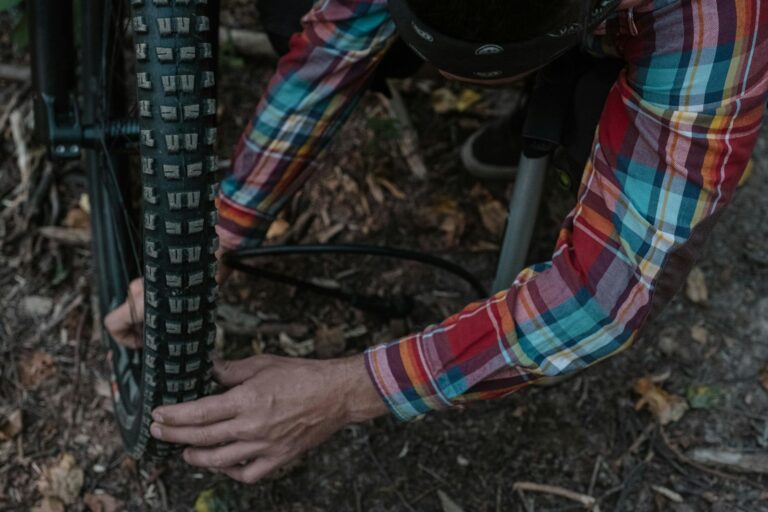
The tread pattern on your tire plays a crucial role in how well it grips wet surfaces. For wet but less muddy trails, semi-knobby tires work well because they balance speed with grip. These tires have a smoother center that helps you maintain rolling speed on roads and smooth gravel, while the shoulders feature more aggressive knobs that provide traction when you’re turning or navigating technical sections.
On very thick, slippery mud, avoid tires with smooth centers or overly rolling treads, as these can cause both your front and rear wheels to slide. Instead, look for tires with widely spaced knobs that shed mud effectively and maintain contact with the ground beneath the muck.
Tire Width Matters
Wider tires offer distinct advantages for wet conditions. A tire width of 38 to 42 millimeters is recommended for routes that are mainly wet. The benefit of wider tires goes beyond just surface area. Wider tires allow you to run lower air pressure without risking punctures, and lower pressure increases the contact patch between your tire and the road, improving grip on slippery terrain. Before switching to wider tires, make sure your bike’s frame and fork can accommodate the increased width.
Tire Pressure Adjustments
Getting your tire pressure right is essential for wet weather riding. For typical wet trails with 38 to 42 millimeter tires, aim for a pressure between 2.0 and 2.3 bar. If you’re dealing with very muddy trails and running 42 to 45 millimeter tires, you can drop pressure to 1.8 to 2.0 bar. Keep in mind that each rider’s weight and the specific terrain you’re riding may require slight adjustments to these recommendations.
Tubeless Tire Systems
Tubeless tires, which have no inner tube, offer practical advantages during winter and wet conditions. Without an inner tube, you can safely run lower pressures without worrying about pinch flats. Lower pressure means better grip on wet roots and rocks. Additionally, tubeless tires use a liquid sealant that automatically seals small punctures, reducing the number of flats you’ll experience on debris-filled wet trails.
Specific Tire Recommendations
Several tire models excel in wet and muddy conditions. The Hutchinson Tundra features excellent grip on technical and wet terrain with widely spaced knobs designed to shed mud effectively. It’s versatile enough for mixed terrain riding. The Hutchinson Touareg has a robust 127 TPI casing with Hardskin reinforcement, making it highly puncture-resistant and comfortable even at low pressure, perfect for demanding trails and long rides. The Hutchinson Overide offers a semi-slick tread for efficient riding on both roads and trails, with a tubeless-ready reinforced version available for added safety and performance.
For road and light gravel use, the Pirelli Cinturato Road combines durability with good dry weather grip and works on roads and light gravel surfaces. The Continental Grand Prix 5000 AS TR is a four-season tubeless tire designed to be more robust and grippy than standard versions, particularly in wet conditions. It features four-ply sidewalls for protection against sidewall damage while still rolling fast with low rolling resistance.
Additional Considerations
When selecting tires for wet conditions, consider the specific terrain you’ll encounter most often. If you alternate between road and trail riding, a semi-slick tire with reinforced construction offers flexibility. If you’re primarily dealing with muddy or technical terrain, prioritize tires with aggressive tread patterns and good mud-shedding capabilities.
The material composition of the tire also matters. Tires with softer rubber compounds provide better traction in cold, wet conditions compared to harder compounds. Some premium tires feature reinforced casings that protect against punctures while maintaining comfort and grip.
Sources
https://gravelup.earth/en/journal/gravel-tires-for-autumn-winter/
https://www.biketiresdirect.com/continental
https://www.cyclingnews.com/features/best-commuting-bike-tyres/
https://www.wtb.com/products/thickslick
https://www.biketiresdirect.com/product/continental-grand-prix-5000-road-tire?v=700X25C
https://www.biketiresdirect.com/product/continental-grand-prix-5000-road-tire?v=700x28c
https://www.bicyclerollingresistance.com/cx-gravel-reviews/continental-grand-prix-5000-32
https://www.britbike.com/forums/ubbthreads.php/topics/946991/best-tyres