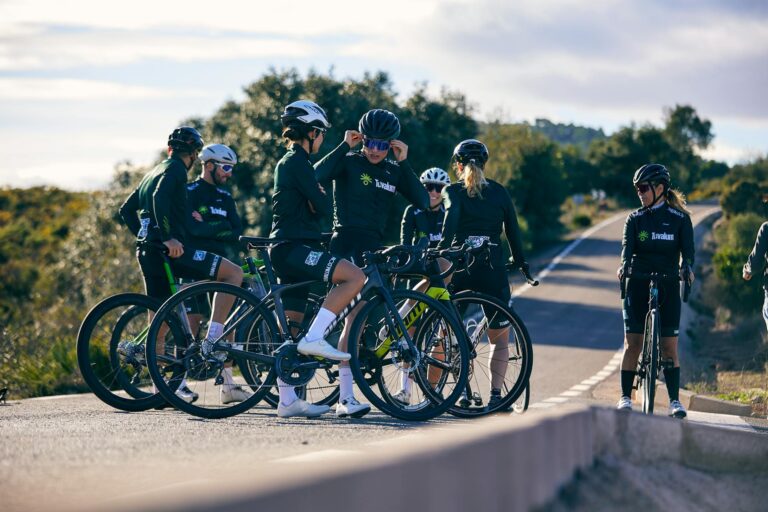
Learning how to build endurance for longer mountain bike rides requires a systematic approach that combines proper training, nutrition, recovery, and mental preparation. Unlike road cycling, where consistent pacing on predictable terrain allows for steady energy expenditure, mountain biking demands repeated bursts of high-intensity effort interspersed with technical sections that require focus and bike handling skills. This unique combination of aerobic demands and anaerobic spikes makes endurance development for mountain biking a distinct challenge that many riders underestimate when they first attempt to extend their time in the saddle. The ability to sustain effort over several hours opens up entirely new riding possibilities.
Epic backcountry loops, multi-day bikepacking adventures, and competitive endurance events all become accessible once a rider develops the cardiovascular foundation and muscular resilience needed for extended efforts. Many mountain bikers hit a plateau where rides beyond two hours leave them depleted, struggling up climbs they handled easily earlier in the ride, or making poor decisions on technical descents due to fatigue. These limitations stem not from a lack of talent but from inadequate preparation of the body’s energy systems and supporting structures. By the end of this article, riders will understand the physiological adaptations necessary for longer efforts, how to structure training that progressively builds capacity, the nutritional strategies that fuel extended rides, and the recovery practices that allow for consistent improvement. Whether the goal is completing a first four-hour epic, finishing a hundred-mile race, or simply enjoying weekend rides without bonking at mile twenty, the principles covered here provide a roadmap for systematic endurance development.
Table of Contents
- What Does It Take to Build Cycling Endurance for Extended Mountain Bike Rides?
- Training Strategies for Mountain Bike Endurance Development
- Nutrition and Fueling for Longer Rides on the Trail
- Recovery Practices That Support Long-Distance Mountain Biking
- Common Endurance Training Mistakes and How to Avoid Them
- Mental Strategies for Sustaining Effort During Long Rides
- How to Prepare
- How to Apply This
- Expert Tips
- Conclusion
- Frequently Asked Questions
What Does It Take to Build Cycling Endurance for Extended Mountain Bike Rides?
Building cycling endurance for mountain biking involves developing multiple physiological systems simultaneously. The aerobic system, which uses oxygen to convert fat and carbohydrates into energy, forms the foundation of all endurance performance. This system relies on mitochondrial density in muscle cells, capillary networks that deliver oxygen-rich blood, and cardiac efficiency that determines how much blood the heart can pump per beat. Research published in the Journal of Applied Physiology indicates that trained endurance athletes can have mitochondrial volumes up to 50% greater than untrained individuals, directly translating to improved fat oxidation and sustained power output.
Beyond the cardiovascular system, muscular endurance plays a critical role in mountain bike performance. The repeated contractions required for pedaling, especially during extended climbs, cause localized fatigue that can limit performance even when the heart and lungs have capacity to spare. Type I muscle fibers, the slow-twitch fibers responsible for sustained efforts, must be trained to resist fatigue and efficiently utilize available fuel. Additionally, the stabilizing muscles of the core, back, and shoulders must maintain posture and control over hours of riding, preventing the degraded bike handling that accompanies upper body fatigue.
- **Aerobic base development** requires consistent training at moderate intensities, typically between 60-75% of maximum heart rate, for progressively longer durations
- **Muscular adaptation** occurs through repeated stress and recovery cycles, with the body responding by increasing capillarization and improving the muscles’ ability to clear metabolic waste products
- **Metabolic efficiency** improves as the body learns to spare glycogen stores by utilizing a higher percentage of fat for fuel at given intensities, extending the time before bonking becomes inevitable

Training Strategies for Mountain Bike Endurance Development
Effective training for mountain bike endurance follows the principle of progressive overload applied thoughtfully over weeks and months. The most common mistake riders make involves adding too much volume too quickly, leading to overtraining, burnout, or injury. A safer approach increases weekly training volume by no more than 10% per week, with periodic recovery weeks that reduce volume by 30-40% to allow for adaptation. This periodized structure, used by professional cyclists and recommended by organizations like USA Cycling, produces consistent gains while minimizing injury risk.
Zone 2 training, often called “base training” or “long slow distance,” forms the cornerstone of endurance development. This intensity feels conversational, allows for nose breathing, and can be sustained for hours without significant fatigue. While it may feel too easy for competitive riders eager to push hard, Zone 2 training drives the mitochondrial adaptations and fat oxidation improvements that enable truly long efforts. Studies from the University of Colorado have shown that elite endurance athletes spend approximately 80% of their training time at low intensities, reserving high-intensity work for strategic development of race-specific fitness.
- **Long rides** should increase by 15-30 minutes every one to two weeks during base-building phases, eventually reaching durations that exceed target event length by 10-20%
- **Consistency trumps heroics**, meaning three moderate rides per week produce better adaptations than one epic ride followed by days of recovery
- **Terrain-specific training** on actual trails develops the neuromuscular patterns and bike handling skills that complement pure cardiovascular fitness
Nutrition and Fueling for Longer Rides on the Trail
Proper nutrition transforms endurance potential into actual performance. The human body stores approximately 2,000 calories of glycogen in muscles and liver, enough for roughly 90 minutes to two hours of moderate-intensity exercise. Beyond this point, riders must consume calories during the ride or face the dreaded bonk, a state of severe glycogen depletion characterized by profound weakness, confusion, and the inability to maintain even modest power output. For mountain bike rides exceeding two hours, on-bike fueling becomes non-negotiable.
Current sports nutrition research supports consuming 60-90 grams of carbohydrates per hour during extended efforts, a significant increase from older recommendations of 30-60 grams. This higher intake requires training the gut to handle increased fuel loads, a process that takes several weeks of consistent practice. Riders should begin fueling early in the ride, typically within the first 30-45 minutes, rather than waiting until hunger or fatigue signals the beginning of depletion. Options include energy gels, chews, bars, real food like bananas or rice cakes, and carbohydrate drink mixes that combine hydration with fueling.
- **Pre-ride nutrition** should include a substantial meal 2-3 hours before riding, emphasizing easily digestible carbohydrates with moderate protein and minimal fat and fiber
- **Hydration** requirements vary by temperature, humidity, and individual sweat rates, but a general guideline suggests 500-750ml of fluid per hour with electrolyte replacement for rides exceeding 90 minutes
- **Post-ride recovery nutrition** within 30-60 minutes, containing both carbohydrates and protein in approximately a 3:1 ratio, accelerates glycogen replenishment and muscle repair

Recovery Practices That Support Long-Distance Mountain Biking
Recovery represents the phase when the body actually adapts and grows stronger. Training provides the stimulus, but improvement occurs during rest. Many ambitious riders undermine their endurance development by skimping on recovery, viewing rest days as wasted opportunities rather than essential components of the training process. Sleep, in particular, plays an outsized role in athletic adaptation.
During deep sleep stages, the body releases human growth hormone, repairs damaged tissues, and consolidates motor learning from recent training sessions. Research from Stanford University demonstrated that extending sleep duration to 10 hours per night improved athletic performance across multiple metrics, including reaction time, sprint times, and subjective feelings of well-being. While few adults can manage ten hours regularly, prioritizing seven to nine hours of quality sleep provides substantial benefits. Sleep hygiene practices, including consistent bed and wake times, cool and dark sleeping environments, and avoiding screens before bed, improve both sleep quantity and quality.
- **Active recovery** through easy spinning, walking, or swimming on rest days promotes blood flow and nutrient delivery to recovering muscles without adding training stress
- **Soft tissue work** using foam rollers, massage guns, or professional massage addresses the muscular tightness and adhesions that accumulate during extended riding
- **Periodized rest weeks** every three to four weeks, featuring 30-50% reduced training volume, allow for systemic recovery and prevent the chronic fatigue that eventually leads to overtraining syndrome
Common Endurance Training Mistakes and How to Avoid Them
The enthusiasm that drives riders toward ambitious endurance goals often leads to predictable errors that derail progress. Training too hard on easy days ranks among the most pervasive issues, as riders feel compelled to push when the prescription calls for recovery-paced effort. This “moderate intensity rut” fails to provide either the aerobic base benefits of truly easy riding or the high-end adaptations of hard interval work, resulting in stagnation despite significant time investment.
Heart rate monitors or power meters provide objective feedback that helps riders stay honest about their intensity. Neglecting strength training represents another common oversight. While time on the bike develops cycling-specific fitness, complementary strength work addresses muscular imbalances, builds injury resistance, and develops the power needed for punchy climbs and technical sections. A minimalist approach focusing on squats, deadlifts, lunges, and core stability exercises, performed twice weekly for 20-30 minutes, provides substantial benefits without excessive time commitment or interference with on-bike training.
- **Insufficient progression** leaves riders stuck at the same fitness level, as the body requires gradually increasing demands to continue adapting
- **Poor pacing during long rides** often results in starting too fast, depleting glycogen reserves early, and suffering through the final hours rather than finishing strong
- **Ignoring warning signs** of overtraining, including persistent fatigue, elevated resting heart rate, sleep disturbances, and decreased motivation, leads to extended setbacks that cost more time than the rest would have required

Mental Strategies for Sustaining Effort During Long Rides
Physical preparation alone cannot guarantee success during extended mountain bike efforts. The mental component of endurance becomes increasingly important as duration extends, with psychological fatigue often preceding physical limitation. Developing mental skills requires the same deliberate practice applied to physical training, including techniques for managing discomfort, maintaining focus, and sustaining motivation when the body pleads for rest.
Breaking long efforts into manageable segments helps prevent the overwhelming nature of extended duration. Rather than contemplating four remaining hours of riding, focusing on reaching the next aid station, completing the current climb, or simply maintaining form for the next ten minutes keeps the mind engaged with achievable targets. Positive self-talk, visualization of successful completion, and reframing discomfort as a sign of productive effort all contribute to mental resilience. Elite endurance athletes consistently report that success depends as much on psychological preparation as physical readiness.
How to Prepare
- **Establish baseline fitness through consistent riding** by committing to at least three rides per week for four to six weeks before beginning structured endurance training. This initial period develops basic aerobic capacity and allows the body to adapt to regular training stress without the added demand of progressive overload.
- **Assess current endurance capacity** by completing a long ride at conversational pace to determine the duration at which fatigue significantly impacts performance. This benchmark informs training planning and provides a baseline against which to measure progress.
- **Create a periodized training plan** spanning 12-16 weeks, with progressive increases in weekly long ride duration, strategic recovery weeks, and specific blocks targeting different energy systems. Free templates from organizations like TrainingPeaks or British Cycling provide useful starting points.
- **Dial in nutrition and hydration strategies** during training rides, experimenting with different products, timing, and quantities to determine what the gut tolerates and what provides sustained energy. The goal is eliminating nutritional surprises before attempting target efforts.
- **Prepare equipment and logistics** including appropriate hydration systems, storage for nutrition, emergency repair supplies, and route planning that accounts for bailout options and resupply points. Long rides in remote terrain require greater self-sufficiency than shorter efforts closer to trailheads.
How to Apply This
- **Start each training week with a long ride** when energy reserves are highest and time permits uninterrupted focus. Increase duration by 15-20 minutes every other week, maintaining conversational pace throughout.
- **Include one or two moderate-duration rides** during the week that incorporate varied intensity, including climbs at threshold effort and technical sections requiring focused attention. These complement the pure aerobic development of long rides.
- **Practice race-day nutrition** during every long training ride, consuming target calorie and fluid amounts to train the gut and confirm tolerance. Adjust based on feedback from these sessions.
- **Monitor fatigue and recovery** through subjective assessments like energy levels and motivation, along with objective measures like resting heart rate and heart rate variability if tracking tools are available. Adjust training volume when signs of accumulated fatigue appear.
Expert Tips
- **Ride with slightly faster companions** on long training rides, as the social motivation and draft benefit make extended duration more manageable while exposure to higher pace improves fitness.
- **Train on terrain similar to target events**, including comparable elevation gain, technical difficulty, and surface conditions. Specificity in training produces specificity in performance.
- **Build a fueling schedule rather than relying on hunger cues**, as appetite suppression during exercise often prevents adequate intake until depletion has already begun. Set a timer for every 20-30 minutes as a reminder to eat and drink.
- **Invest in a professional bike fit** before undertaking high-volume training, as minor position issues become major problems over multi-hour efforts. Proper fit prevents overuse injuries and maintains power output throughout long rides.
- **Practice technical skills when fresh** rather than attempting challenging features when fatigued. Endurance riding requires conserving mental energy for technical sections, making consistent ability under fatigue more important than peak ability when fresh.
Conclusion
Developing the endurance necessary for longer mountain bike rides represents one of the most rewarding pursuits in the sport. The process demands patience, consistency, and attention to the interconnected factors of training, nutrition, recovery, and mental preparation. There are no shortcuts that substitute for the gradual adaptation of cardiovascular, muscular, and metabolic systems to sustained effort. However, the systematic approach outlined in this article provides a reliable path toward extended capabilities that open up new riding possibilities.
The investment in endurance development pays dividends beyond the specific goal of longer rides. The aerobic base built through consistent training improves recovery between hard efforts, supports better performance across all ride durations, and contributes to long-term health. Riders who commit to the process often discover that the journey itself, the weekly long rides through beautiful terrain, the gradual expansion of what feels possible, provides satisfaction equal to achieving the original objective. The trails will always offer more to explore, and the endurance to explore them rewards every hour of preparation.
Frequently Asked Questions
How long does it typically take to see results?
Results vary depending on individual circumstances, but most people begin to see meaningful progress within 4-8 weeks of consistent effort. Patience and persistence are key factors in achieving lasting outcomes.
Is this approach suitable for beginners?
Yes, this approach works well for beginners when implemented gradually. Starting with the fundamentals and building up over time leads to better long-term results than trying to do everything at once.
What are the most common mistakes to avoid?
The most common mistakes include rushing the process, skipping foundational steps, and failing to track progress. Taking a methodical approach and learning from both successes and setbacks leads to better outcomes.
How can I measure my progress effectively?
Set specific, measurable goals at the outset and track relevant metrics regularly. Keep a journal or log to document your journey, and periodically review your progress against your initial objectives.
When should I seek professional help?
Consider consulting a professional if you encounter persistent challenges, need specialized expertise, or want to accelerate your progress. Professional guidance can provide valuable insights and help you avoid costly mistakes.
What resources do you recommend for further learning?
Look for reputable sources in the field, including industry publications, expert blogs, and educational courses. Joining communities of practitioners can also provide valuable peer support and knowledge sharing.