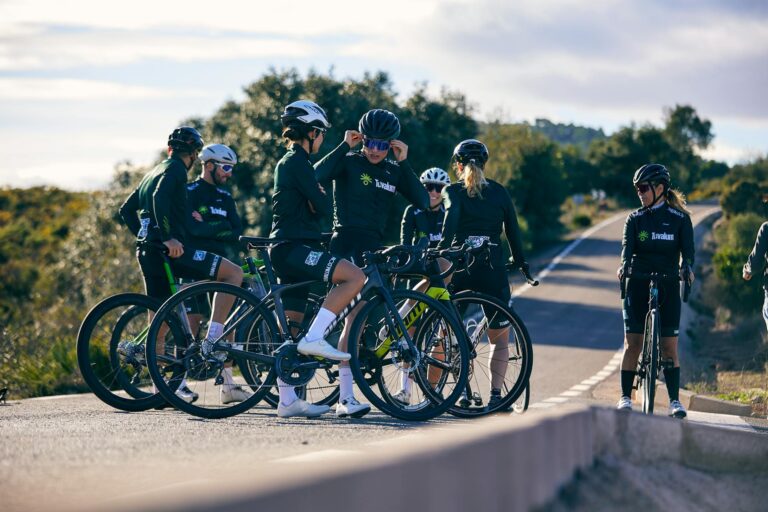
Building cycling endurance as a beginner comes down to one principle that most new riders get wrong: ride slower and longer, not faster and shorter. If you can hold a conversation while pedaling, you are riding at roughly the right intensity to develop your aerobic base, which is the foundation every other cycling ability depends on. A practical starting point is three rides per week, beginning at whatever duration you can manage comfortably, even if that is only twenty minutes, and adding no more than ten percent to your longest ride each week. A rider who starts at thirty-minute sessions in March can reasonably work up to ninety-minute rides by June without burning out or risking overuse injuries.
The mistake most beginners make is treating every ride like a race. They push hard, feel terrible, and conclude that cycling is not for them. Endurance is not built in a single heroic effort. It is accumulated over weeks and months of consistent, moderate riding that trains your cardiovascular system, your muscles, and frankly your backside to handle progressively longer time in the saddle. This article covers the specific training structure that works for new cyclists, how to manage intensity without a power meter, the role nutrition and recovery play in building your base, common setbacks that stall progress, and what to expect as your body adapts over the first several months.
Table of Contents
- What Does Cycling Endurance Actually Mean for a Beginner Rider?
- How to Structure Your Weekly Rides Without Overtraining
- Riding by Feel When You Do Not Have Fancy Gadgets
- Fueling and Hydrating for Longer Rides
- Common Setbacks That Stall Beginner Endurance Progress
- How Your Body Adapts Over the First Three Months
- Where Endurance Takes You Next
- Conclusion
- Frequently Asked Questions
What Does Cycling Endurance Actually Mean for a Beginner Rider?
Endurance in cycling is your ability to sustain a steady effort over time without fading. For a professional, that might mean six hours in the saddle at race pace. For a beginner, it might mean completing a thirty-mile ride without needing to stop every few miles. The underlying physiology is the same at every level: your heart becomes more efficient at pumping blood, your muscles develop more capillaries to deliver oxygen, and your body gets better at burning fat as fuel, sparing your limited glycogen stores for when you actually need them. These adaptations do not happen overnight. Most exercise physiologists estimate that meaningful aerobic base development takes eight to twelve weeks of consistent training. A useful comparison is the difference between a sprinter and a marathon runner. Sprinters generate enormous power for seconds at a time.
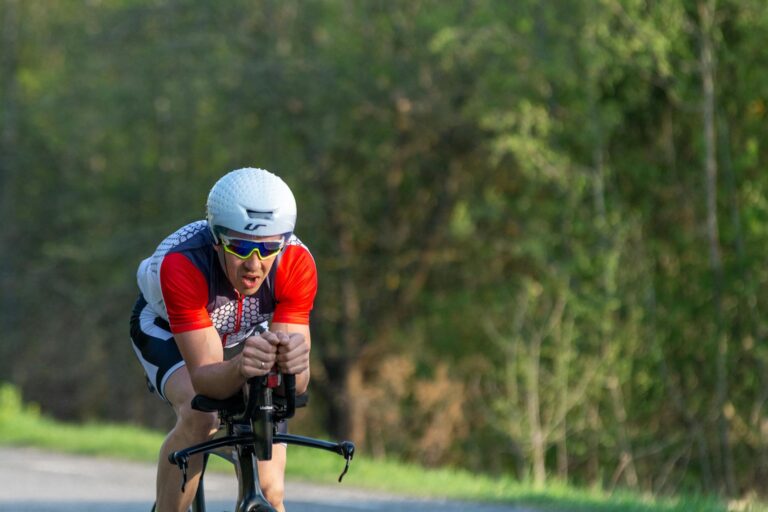
Marathon runners generate modest power for hours. Beginning cyclists almost always default to sprinter behavior, hammering up every hill and then gasping at the top. Endurance training is the opposite. Consider a rider named Sarah who could barely finish a ten-mile loop in her first week. Instead of attacking every incline, she shifted to an easier gear and accepted a slower pace. Within two months she was completing forty-mile weekend rides and recovering well enough to ride again the next day. The difference was not fitness talent. It was training approach.

How to Structure Your Weekly Rides Without Overtraining
A beginner-friendly weekly structure might look like this: two shorter weekday rides of thirty to forty-five minutes at an easy conversational pace, and one longer weekend ride that pushes your current distance limit by a small margin. The shorter rides maintain your routine and build aerobic fitness without excessive fatigue. The longer ride is where you actually extend your endurance ceiling. This three-ride minimum is manageable for most people with jobs and obligations, and it provides enough training stimulus to produce measurable improvement. However, if you are coming from a completely sedentary background, even three rides per week can be too much at first.
Joint pain, saddle soreness, and general fatigue are signals that your body needs more recovery, not more miles. In that case, start with two rides per week and add the third only after two or three weeks of consistent riding without lingering soreness. The ten percent rule for weekly volume increase is a guideline, not a law, but it exists for a reason. Jumping from three hours of riding one week to six hours the next is a reliable recipe for knee pain, lower back strain, or the kind of deep fatigue that kills motivation entirely. Patience during the first month pays off enormously in the second and third months.
Riding by Feel When You Do Not Have Fancy Gadgets
Power meters and heart rate monitors are useful tools, but you do not need them to build endurance effectively. The talk test remains one of the most reliable intensity gauges available. If you can speak in full sentences without gasping, you are in the right zone for aerobic development. If you can only manage a few words between breaths, you are pushing too hard for an endurance ride. If you can sing, you could probably push a little harder, but erring on the easy side is rarely a mistake for beginners. Another practical method is the rate of perceived exertion scale, which runs from one to ten.
Endurance rides should feel like a four or five, an effort you could maintain for much longer than you actually plan to ride. A six or seven is tempo territory, sustainable but noticeably harder. Anything above seven is the kind of intensity that has its place in training eventually but does very little for base endurance and generates disproportionate fatigue. Consider a group ride where everyone else is pushing a seven. The smart beginner drops off the back and rides their own pace rather than blowing up trying to keep up. Ego is the enemy of endurance development. One rider I know spent his entire first season getting dropped from group rides on purpose, and by his second season he was the one setting the pace.

Fueling and Hydrating for Longer Rides
Nutrition becomes critical once your rides exceed about sixty to ninety minutes. Below that threshold, most people have enough stored glycogen to get through the ride on water alone, assuming they ate a normal meal a few hours beforehand. Beyond ninety minutes, you need to take in carbohydrates during the ride to avoid bonking, that sudden wall of exhaustion that turns a pleasant ride into a miserable slog. The general recommendation is thirty to sixty grams of carbohydrates per hour for rides lasting longer than ninety minutes. The tradeoff is between engineered sports nutrition and real food. Energy gels and chews are convenient and designed for quick absorption, but they are expensive and some riders find them hard on the stomach.
Bananas, fig bars, rice cakes with honey, and even peanut butter sandwiches work perfectly well and cost a fraction of the price. The best option is whatever you can eat without digestive distress while riding. Experiment on training rides, never on an event or group ride you care about. Hydration follows a similar principle. Drink before you feel thirsty, aiming for one standard bottle per hour in moderate conditions and more in heat. Plain water is fine for rides under two hours. Beyond that, adding electrolytes helps replace what you lose in sweat, particularly sodium.
Common Setbacks That Stall Beginner Endurance Progress
The most frequent endurance killer for beginners is inconsistency. Missing a week here and there might seem minor, but aerobic fitness declines measurably after just seven to ten days of inactivity. Two weeks off can erase a meaningful portion of the gains you built over the previous month. Life will inevitably interrupt your riding schedule, but the goal is to do something rather than nothing. Even a short twenty-minute spin on an indoor trainer during a busy week maintains more fitness than a complete rest. Saddle discomfort is the second most common reason beginners quit before they build real endurance.
A poorly fitting saddle or incorrect bike setup can make anything beyond thirty minutes genuinely painful. This is not something you should just push through. Get a basic bike fit, even an informal one at a local shop, and do not assume that a wider, more padded saddle is the answer. Heavily padded saddles often create more friction and pressure on longer rides, not less. A firm saddle that matches your sit bone width, paired with quality cycling shorts with a chamois, is almost always more comfortable over distance than a cushioned seat with cotton underwear. Ignoring this is a limitation that no amount of cardiovascular fitness will overcome.
How Your Body Adapts Over the First Three Months
The first two to three weeks often feel discouraging because your cardiovascular system adapts faster than your muscles, joints, and connective tissue. You might have the lungs for a longer ride but your knees or lower back protest. This mismatch is normal and resolves itself if you increase volume gradually.
By week four to six, most riders notice that rides that once felt challenging now feel routine. Your resting heart rate may drop a few beats per minute, a concrete sign that your heart is pumping more blood per beat. By month three, the transformation is usually significant enough that you can look back at your early rides and barely recognize the same person. A rider who struggled with ten flat miles in January might comfortably handle thirty hilly miles by April without any dramatic change in training, just steady accumulation.
Where Endurance Takes You Next
Once you have a solid aerobic base, typically after three to six months of consistent riding, you unlock the ability to train more specifically. Interval workouts, hill repeats, and tempo rides all become productive rather than destructive because your body can recover from hard efforts efficiently.
You might set your sights on a century ride, a gran fondo, or simply the ability to ride with faster friends without getting dropped. The base you build now is not just a phase to get through. It is the platform that every future improvement stands on, whether you race competitively or simply want to enjoy long weekend rides through the countryside without dreading the last hour.
Conclusion
Building cycling endurance as a beginner is a straightforward process that rewards patience over intensity. Ride at a conversational pace, increase your weekly volume gradually, fuel properly on longer efforts, and prioritize consistency above all else. Address bike fit and saddle comfort early so they do not become the bottleneck that stops your progress. The cardiovascular and muscular adaptations you need will happen on their own if you simply show up and ride within your limits often enough.
Your first three months of cycling will produce the most dramatic improvement you will ever experience in the sport. Enjoy that phase. Track your rides so you can see the progress in concrete terms. And resist the urge to compare yourself to riders who have been at it for years. Every experienced cyclist you admire on a group ride started exactly where you are now, wondering if they would ever be able to ride for more than an hour without their legs giving out.
Frequently Asked Questions
How long does it take to build cycling endurance from scratch?
Most beginners notice meaningful improvement in four to six weeks of consistent riding three times per week. Building a solid aerobic base that supports longer rides of sixty miles or more typically takes three to six months. Progress is not linear, and you will have weeks where you feel like you are plateauing before another jump in fitness.
Should I ride every day as a beginner?
No. Rest days are when your body actually adapts and gets stronger. Three to four rides per week with rest days between is more effective than seven consecutive days of riding, which is likely to produce overuse injuries and burnout. If you feel the urge to do something on rest days, a short walk or gentle stretching is enough.
Is indoor cycling on a trainer as good as riding outside for building endurance?
Indoor trainers are effective for maintaining fitness and can build endurance, but they have limitations. You do not develop bike handling skills, you miss the variable terrain that strengthens stabilizing muscles, and most people find indoor sessions mentally harder to sustain for long durations. Use a trainer as a supplement when weather or schedule prevents outdoor riding, not as a permanent substitute.
Do I need a road bike to build cycling endurance?
Any functional bicycle works. Road bikes are more efficient on pavement, but plenty of riders build excellent endurance on hybrids, gravel bikes, or even mountain bikes ridden on roads. The bike you actually ride consistently matters more than the bike that is theoretically fastest. If you are comfortable on a hybrid, ride the hybrid.
How do I know if I am overtraining?
Warning signs include persistent fatigue that does not improve with a rest day, elevated resting heart rate, irritability, disrupted sleep, and a feeling of dread about getting on the bike. If riding consistently feels like a chore rather than a challenge, take three to five days completely off. You will lose very little fitness and may come back feeling noticeably stronger.