Learning how to adjust your bike gears for smoother shifting transforms an frustrating ride into an enjoyable one, eliminating the clicking, skipping, and grinding sounds that plague poorly tuned drivetrains. Every cyclist, from weekend commuters to competitive racers, eventually encounters shifting problems that require attention. The derailleur system on modern bicycles, while remarkably efficient when properly set up, operates within tight tolerances that can drift out of alignment through normal use, cable stretch, and environmental factors. Shifting issues manifest in several recognizable ways: the chain hesitates before moving to the next gear, jumps past the intended cog, makes grinding noises under load, or refuses to reach the highest or lowest gears altogether. These problems not only diminish riding pleasure but also accelerate wear on expensive drivetrain components.
A chain that skips under power can cause dangerous loss of control, particularly when climbing out of the saddle or sprinting. Beyond safety concerns, the mechanical sympathy between rider and machine suffers when shifts feel imprecise or require multiple lever actuations to complete. This guide covers the complete process of diagnosing and correcting shifting problems, from basic cable tension adjustments that take seconds to more involved limit screw settings that require careful attention. By the end, you will understand how derailleurs function mechanically, recognize the root causes of common shifting complaints, and possess the knowledge to maintain crisp, reliable gear changes throughout your bicycle’s service life. The skills presented here apply to road bikes, mountain bikes, gravel bikes, and hybrids equipped with derailleur-based shifting systems from all major manufacturers.
Table of Contents
- Why Do Bike Gears Need Adjustment for Smooth Shifting?
- Understanding Derailleur Components and How They Affect Gear Shifting
- Tools Required for Proper Bike Gear Adjustment
- Step-by-Step Rear Derailleur Adjustment for Smoother Shifting
- Troubleshooting Persistent Shifting Problems and Common Mistakes
- Front Derailleur Adjustment Considerations
- How to Prepare
- How to Apply This
- Expert Tips
- Conclusion
- Frequently Asked Questions
Why Do Bike Gears Need Adjustment for Smooth Shifting?
Bicycle shifting systems require periodic adjustment because they rely on precise cable tension to position the derailleur correctly over each cog or chainring. When you actuate a shift lever, it either pulls or releases a specific amount of cable, moving the derailleur a predetermined distance. This movement must align exactly with the spacing between gears on your cassette or crankset. Cable housing compresses slightly over time, inner cables stretch under repeated tension, and the tiny adjustments accumulate until shifting quality degrades noticeably.
Environmental factors accelerate this process considerably. Riding in wet conditions introduces moisture that can cause cable corrosion, increasing friction and reducing shifting precision. Dirt and grime accumulate on pivot points, creating resistance that interferes with derailleur spring tension. Temperature changes cause metal components to expand and contract minutely, and storing a bike in an unheated garage through winter can produce noticeable shifting differences when spring arrives. Mountain bikers face additional challenges as trail debris impacts derailleurs directly, potentially bending hanger alignment or displacing limit screws.
- Cable stretch accounts for roughly 80% of shifting degradation on new bicycles during the first few hundred miles
- Derailleur hanger misalignment creates shifting problems that cable adjustment alone cannot solve
- Worn drivetrain components including chains, cassettes, and chainrings produce symptoms identical to adjustment issues
- Housing contamination increases cable friction, making shifts feel sluggish and imprecise regardless of tension settings
Understanding Derailleur Components and How They Affect Gear Shifting
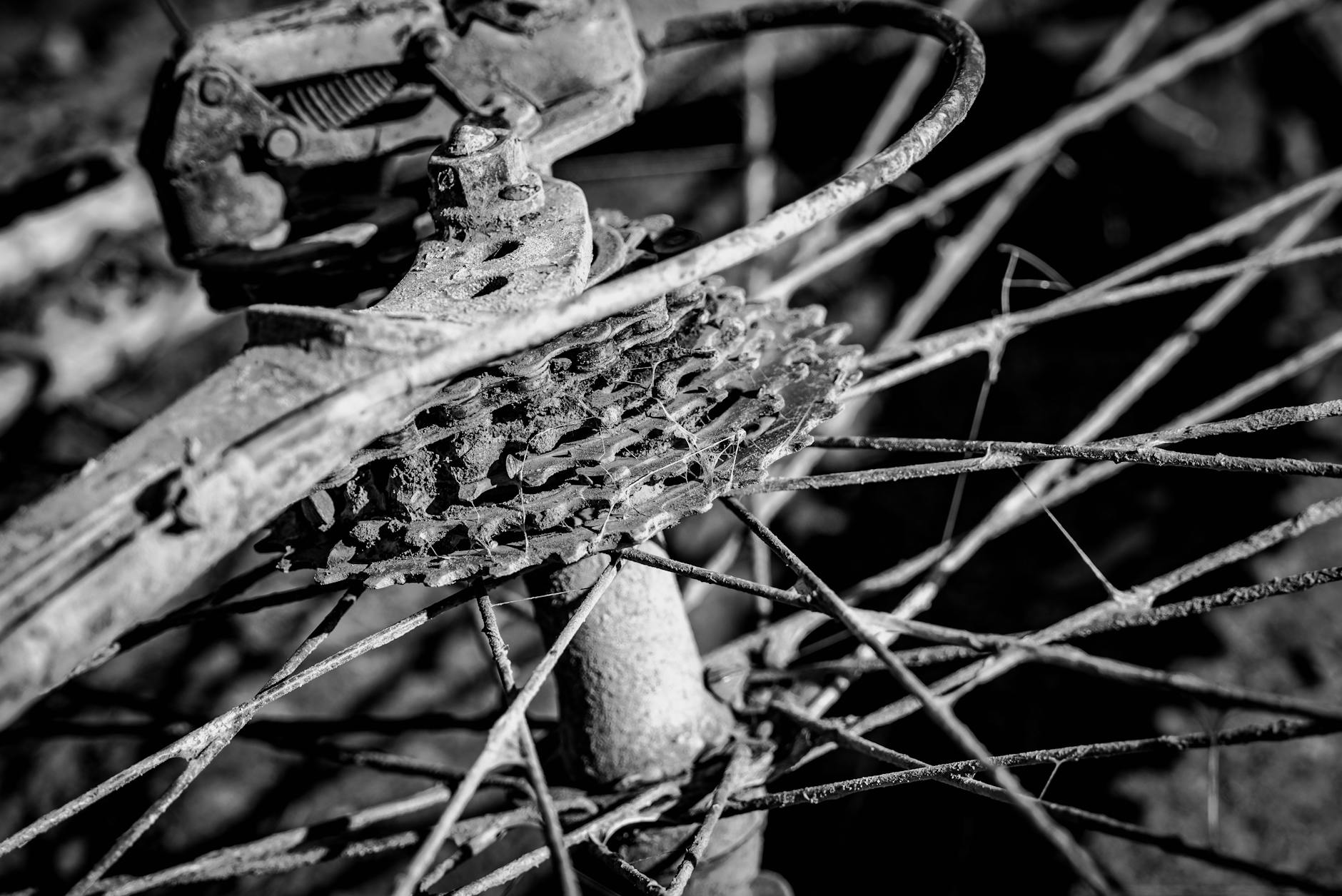
The rear derailleur consists of four primary systems that work together: the parallelogram mechanism, the cage and pulley wheels, the limit screws, and the B-tension screw. The parallelogram is the hinged linkage that moves the derailleur laterally across the cassette when cable tension changes. Two springs within this mechanism provide return force, pulling the derailleur toward the smallest cog when cable tension releases. understanding this spring-loaded design explains why most shifting problems involve the derailleur failing to move outward toward larger cogs rather than inward.
Limit screws establish the boundaries of derailleur travel, preventing the chain from shifting off either end of the cassette. The high limit screw (marked H) restricts inward movement toward the smallest cog, while the low limit screw (marked L) restricts outward movement toward the largest cog. These screws do not affect shifting quality between gears; they only define the endpoints. Many cyclists mistakenly adjust limit screws when experiencing mid-range shifting problems, when cable tension or indexing alignment actually needs attention.
- The B-tension screw controls the distance between the upper pulley wheel and the cassette cogs, affecting shifting crispness and chain wrap
- Pulley wheels should spin freely without lateral play; worn bearings or bushings create inconsistent shifting behavior
- Front derailleurs use the same limit screw concept but add a third adjustment for cage angle relative to chainrings
- Barrel adjusters provide fine-tuning capability without requiring tools, allowing micro-adjustments during rides
Tools Required for Proper Bike Gear Adjustment
Completing a thorough derailleur adjustment requires a modest collection of tools that most cyclists accumulate naturally over time. At minimum, you need a Phillips head screwdriver for limit screws on most derailleurs, though some manufacturers use 2mm or 2.5mm hex fittings instead. A set of hex wrenches covering 4mm and 5mm sizes handles cable anchor bolts on nearly all systems. Beyond these basics, a cable cutter designed specifically for bicycle cables produces clean cuts that prevent fraying, which causes friction inside housing.
A repair stand that holds the bicycle with wheels off the ground proves invaluable for gear adjustment work. Spinning the cranks while making adjustments requires both hands free, which becomes impossible when trying to balance an upside-down bicycle. Quality repair stands start around $80 for home mechanic versions and represent a worthwhile investment for anyone performing regular maintenance. Without a stand, having a second person slowly turn the pedals while you observe derailleur movement offers a workable alternative.
- Chain wear indicators cost under $15 and prevent the common mistake of adjusting derailleurs when a stretched chain actually causes the problem
- Cable housing cutters differ from cable cutters; attempting to cut housing with cable cutters crushes the housing liner
- Derailleur hanger alignment tools range from $30 for basic versions to $80 for precision gauges used by professional mechanics
- Work gloves keep hands clean and provide grip when working with greasy components

Step-by-Step Rear Derailleur Adjustment for Smoother Shifting
Begin the adjustment process by shifting to the smallest rear cog and smallest front chainring, placing the cable under minimum tension. Inspect the derailleur hanger for obvious bends by sighting down from above; the derailleur cage should hang perfectly vertical and parallel to the cassette. Even slight hanger misalignment makes precise shifting adjustment impossible, so address this first using a hanger alignment tool or by replacing the hanger entirely if damage is severe. With the hanger verified straight, check that the high limit screw positions the upper pulley wheel directly beneath the smallest cog.
Pedal forward slowly and observe the chain path; it should run straight without the derailleur pushing it toward the spokes or pulling it away from the cassette. Shift through all gears once to identify which transitions cause problems. If shifting to larger cogs hesitates or requires multiple clicks, cable tension is too low. If the chain overshifts past the intended cog, cable tension is too high. This diagnosis determines whether you turn the barrel adjuster clockwise or counterclockwise.
- Turning the barrel adjuster counterclockwise increases effective cable tension, helping shifts to larger cogs
- One-quarter turns represent appropriate adjustments; larger changes risk overcorrecting
- Test shifts under load by applying pressure to the pedals while shifting, replicating real riding conditions
- The low limit screw should allow the chain to reach the largest cog without the derailleur pushing it into the spokes
Troubleshooting Persistent Shifting Problems and Common Mistakes
When standard cable tension adjustment fails to produce smooth shifting, several underlying issues deserve investigation. Frayed cables create unpredictable friction that varies with lever position, causing inconsistent shift quality that defies logical adjustment patterns. Remove the cable from its housing and inspect for broken strands, kinks, or corrosion. Housing with cracked or kinked sections similarly introduces variable friction that barrel adjusters cannot compensate for. Replacing cables and housing together costs under $30 and eliminates these variables from troubleshooting.
Chain and cassette wear presents another hidden cause of shifting problems. A worn chain develops elongated links that no longer match cassette tooth spacing precisely, causing skipping under load regardless of derailleur adjustment. Chains should be replaced before reaching 0.75% elongation on 11-speed and 12-speed systems, or 1.0% on older 8, 9, and 10-speed drivetrains. Running a worn chain accelerates cassette wear, eventually requiring simultaneous replacement of both components. Shark-finned cassette teeth, visible as asymmetrical wear patterns on cog profiles, indicate a cassette that has reached end of service life.
- Contaminated pivot points on the derailleur body cause sluggish spring return, mimicking cable tension problems
- Bent derailleur cages, often from impacts, create shifting issues that adjustment cannot resolve
- Incompatible components, such as mixing Shimano and SRAM parts, produce poor results despite correct adjustment
- Clutch-equipped mountain bike derailleurs require additional clutch tension inspection when troubleshooting

Front Derailleur Adjustment Considerations
Front derailleur adjustment follows similar principles but requires additional attention to cage height and angle. The bottom edge of the outer cage plate should sit 1-3mm above the tallest chainring teeth when viewed from the side. Too high reduces shifting precision; too low causes cage contact with chainring teeth during pedaling. Cage angle must parallel the chainrings exactly when viewed from above, requiring loosening the mounting bolt and rotating the derailleur body before retightening.
Limit screws on front derailleurs define inner and outer cage positions rather than true travel endpoints. The inner cage plate should clear the chain by 1-2mm when in the small chainring and largest rear cog combination. The outer cage plate needs similar clearance when using the large chainring and smallest rear cog. Cable tension then determines how crisply the derailleur responds to shift commands, with the same barrel adjuster principles applying: counterclockwise increases tension for better shifts to the large ring, clockwise decreases tension for improved small ring shifts.
How to Prepare
- Clean the drivetrain thoroughly using degreaser on the chain, cassette, chainrings, and derailleur pulleys. Accumulated grime obscures component condition and introduces variables that affect adjustment. Allow cleaning solvents to evaporate completely before lubricating the chain.
- Inspect the chain for wear using a chain checker tool. Insert the tool into the chain and read the elongation measurement. Replace chains showing 0.5% or greater wear to prevent cascading component damage and ensure adjustment efforts produce lasting results.
- Examine cables and housing along their entire length, checking for fraying at anchor points, corrosion on exposed sections, and kinks or cracks in housing. Replace any compromised cables before adjusting, as damaged cables prevent accurate tension settings.
- Verify derailleur hanger alignment using a dedicated alignment tool or visual inspection. The derailleur cage should hang perfectly vertical and parallel to the wheel when viewed from behind. Bent hangers make precise adjustment impossible.
- Secure the bicycle in a repair stand at comfortable working height with the drivetrain facing outward. Confirm the stand holds the bike stable enough for pedaling without wobbling, as movement during adjustment compromises accuracy.
How to Apply This
- Shift to the smallest cog and verify the high limit screw positions the upper pulley directly beneath it, adjusting the H screw as needed until alignment is perfect when pedaling slowly forward.
- Shift through the entire cassette range while pedaling, noting which gear transitions exhibit hesitation, noise, or overshifting. This diagnostic pass identifies whether cable tension needs increasing or decreasing.
- Turn the barrel adjuster in quarter-turn increments, testing shift quality after each adjustment. Counterclockwise turns help sluggish upshifts to larger cogs; clockwise turns correct overshifting or slow downshifts to smaller cogs.
- Set the low limit screw to allow full travel to the largest cog without the derailleur pushing the chain past it. Test this limit under load, as spring tension may differ between loaded and unloaded conditions.
Expert Tips
- Index adjustment is best performed with the bicycle under riding load rather than in a stand. Cable tension behaves slightly differently when frame flex and rider weight enter the equation, so a post-adjustment test ride often reveals need for minor tweaking.
- When adjusting cable tension, shift to the middle of the cassette where small tension changes produce the most noticeable effects. Adjustments made while in extreme gears mask their impact until you reach mid-range cogs.
- New cables stretch most during their first 50-100 miles of use. Plan to readjust tension after initial break-in rather than chasing perfect shifts immediately after installation.
- Barrel adjusters have limited range, typically 3-4 full turns from center. If adjustment requires moving beyond this range, reset by turning the adjuster fully clockwise, then loosening the cable anchor bolt and pulling slack from the cable before re-anchoring.
- Lubricate cable housing entry and exit points with light oil before inserting new cables. This reduces friction throughout the system, improving shift feel and reducing the tension required for clean gear changes.
Conclusion
Mastering bike gear adjustment skills pays dividends every time you ride, transforming mechanical uncertainty into confident control over your bicycle’s drivetrain. The concepts covered here, from understanding derailleur mechanics to executing precise cable tension adjustments, apply universally across manufacturers and component levels. What initially seems like mysterious mechanical behavior follows logical cause-and-effect relationships that become intuitive with practice.
Regular attention to shifting quality prevents small issues from compounding into expensive repairs. A monthly check of shift performance, combined with immediate attention when problems appear, keeps drivetrains functioning smoothly for thousands of miles. The tools required for this maintenance are modest, the time investment minimal, and the satisfaction of dialing in perfect shifts substantial. Riders who develop these mechanical skills find themselves more connected to their bicycles and more capable of handling the minor issues that inevitably arise during long rides far from bike shops.
Frequently Asked Questions
How long does it typically take to see results?
Results vary depending on individual circumstances, but most people begin to see meaningful progress within 4-8 weeks of consistent effort. Patience and persistence are key factors in achieving lasting outcomes.
Is this approach suitable for beginners?
Yes, this approach works well for beginners when implemented gradually. Starting with the fundamentals and building up over time leads to better long-term results than trying to do everything at once.
What are the most common mistakes to avoid?
The most common mistakes include rushing the process, skipping foundational steps, and failing to track progress. Taking a methodical approach and learning from both successes and setbacks leads to better outcomes.
How can I measure my progress effectively?
Set specific, measurable goals at the outset and track relevant metrics regularly. Keep a journal or log to document your journey, and periodically review your progress against your initial objectives.
When should I seek professional help?
Consider consulting a professional if you encounter persistent challenges, need specialized expertise, or want to accelerate your progress. Professional guidance can provide valuable insights and help you avoid costly mistakes.
What resources do you recommend for further learning?
Look for reputable sources in the field, including industry publications, expert blogs, and educational courses. Joining communities of practitioners can also provide valuable peer support and knowledge sharing.