Gravel Bike vs Road Bike: Which One Should You Choose
When picking between a gravel bike and a road bike, think about where you ride most. Road bikes shine on smooth pavement for speed and distance. Gravel bikes handle rough paths, dirt, and mixed terrain with ease[1][3].
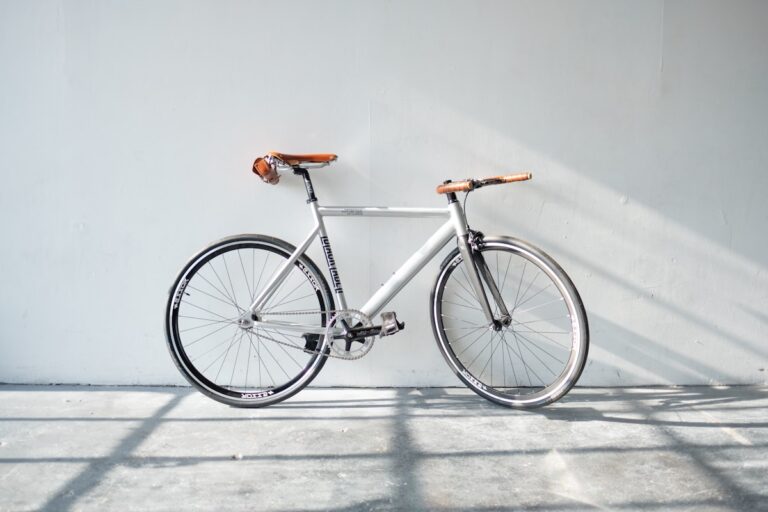
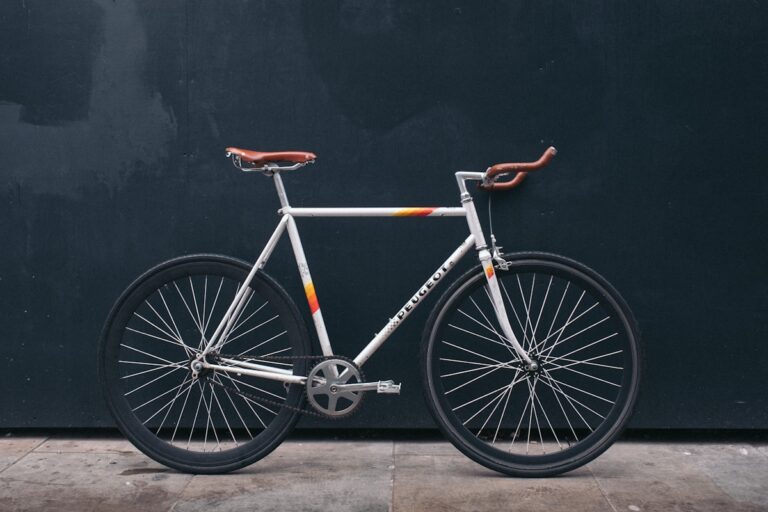
Road bikes have skinny tires, usually 25 to 32 millimeters wide. These tires roll fast on asphalt with low resistance. The frame is light and stiff for quick acceleration and climbing. Geometry puts you in an aggressive position, bent forward for aerodynamics. They feel direct and responsive on tarmac but bounce hard over bumps or gravel. Loose surfaces make them unstable and puncture-prone[1][3][5].
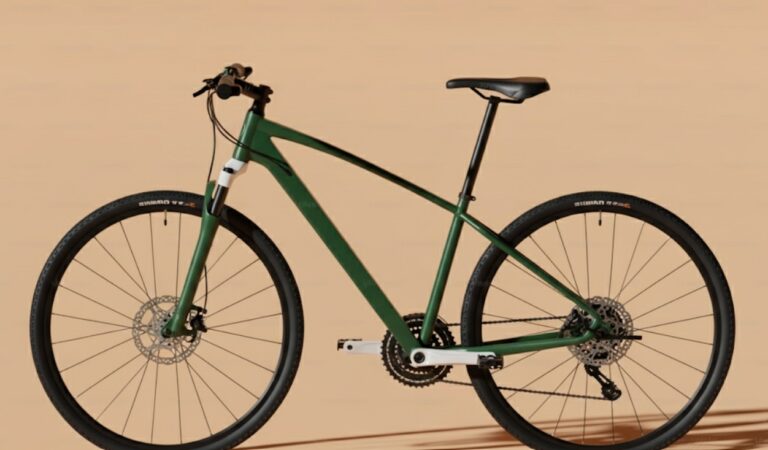
Gravel bikes use wider tires, from 35 to 50 millimeters or more. You can run them with knobby tread for grip or slicks for speed. Frames allow bigger clearances and often add mounts for bags or fenders. Geometry is more relaxed, with a higher stack for upright comfort and control. They absorb vibrations better on rough roads, frozen mud, or light trails. On pure pavement, they feel a bit slower due to extra weight and drag[1][3][4].
Tire choice blurs the lines today. A road bike with 34-millimeter tires tackles light gravel almost like an all-road machine. A gravel bike with 35-millimeter slicks acts like an aero road bike on pavement[1]. Both can commute, but gravel wins on bumpy paths or wet streets with better grip and less harshness[3].
For racing or group rides on smooth roads, grab a road bike. It climbs efficiently and hits high speeds with less effort[2][7]. In winter or on variable terrain, gravel bikes keep you going without clogging in mud or skidding on frost[4]. They excel on fire roads, climbs with traction, and non-technical paths where lightness helps[2].
Daily commuters face a trade-off. Road bikes reach top speeds faster but jar over potholes. Gravel bikes take shortcuts on gravel or paths comfortably, though they demand more pedaling power for the same velocity[3].
Test ride both if possible. Modern gravel bikes climb and corner well thanks to geometry tweaks. Road bikes push limits off-pavement quickly[1][7]. Match your choice to your routes: pavement-heavy means road bike; mixed or rough means gravel.
Sources
https://granfondo-cycling.com/is-allroad-dead/
https://www.elite-wheels.com/cycling-topics/gravel-vs-mtb-one-gravel-bike-in-an-mtb-race/
https://www.youtube.com/watch?v=CpO4UlkL9rg
https://www.bikeradar.com/features/why-gravel-riding-is-better-than-road-cycling-in-winter
https://www.youtube.com/watch?v=FGWkhyoCFwM
https://www.shoshitamam.com/?n=28746502061430
https://www.youtube.com/watch?v=MhuUwjhAw9Q
https://velo.outsideonline.com/gravel/gravel-gear/best-gravel-bikes-nominees-2025/