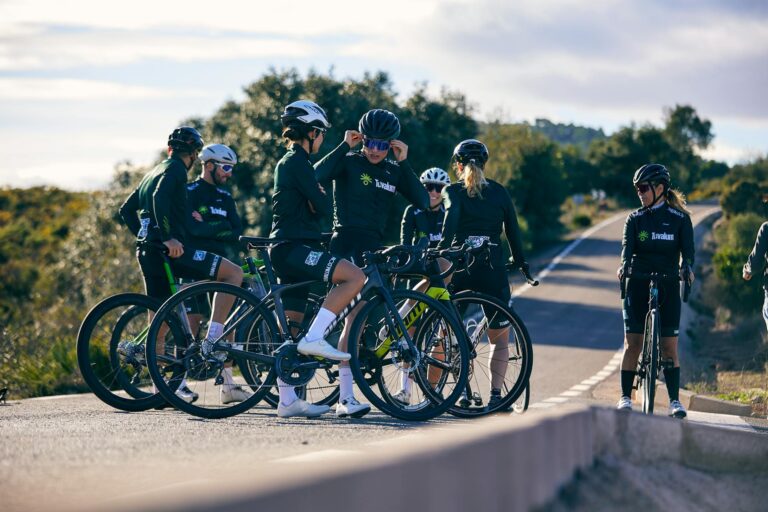
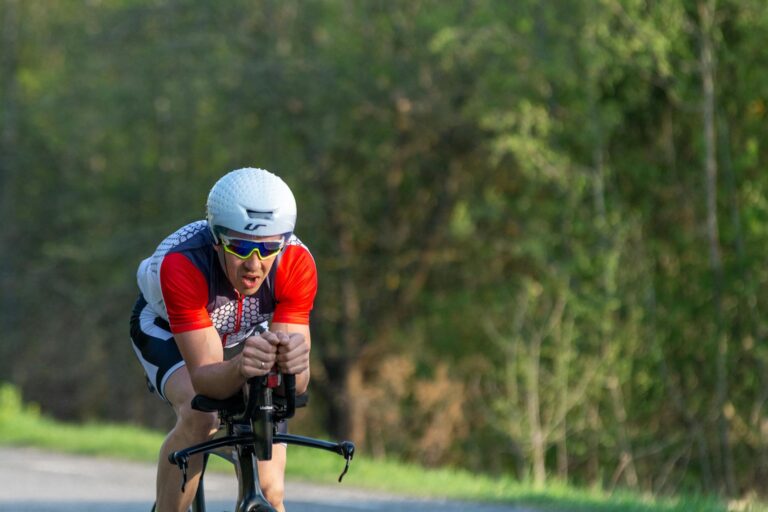
The debate between gravel bike vs road bike has intensified as cycling continues to evolve beyond traditional categories. Both styles offer distinct advantages depending on where you ride, how often you ride, and what kind of cycling experience you’re seeking. For anyone standing in a bike shop or scrolling through online retailers, understanding the fundamental differences between these two popular bicycle types can mean the difference between finding the perfect ride and making an expensive mistake. This decision affects more than just your wallet. The wrong bike choice leads to discomfort on long rides, limitations on where you can explore, and potentially a machine gathering dust in your garage.
Road bikes have dominated pavement riding for over a century, refined to maximize speed and efficiency on smooth surfaces. Gravel bikes emerged as a category only in the past decade, designed to handle mixed terrain while retaining reasonable road performance. Each serves a purpose, but the overlap between them creates genuine confusion for buyers at every experience level. By the end of this article, you’ll understand the specific design differences that separate these bikes, know which riding scenarios favor each type, grasp the cost considerations involved, and have a clear framework for making your own decision. Whether you’re a commuter seeking versatility, a fitness enthusiast wanting one bike for everything, or a dedicated cyclist looking to expand your stable, the information here will guide you toward the right choice for your circumstances.
Table of Contents
- What Are the Key Differences Between Gravel Bikes and Road Bikes?
- Road Bike Advantages for Speed and Pavement Performance
- Gravel Bike Versatility and Off-Road Capability
- How to Choose Between a Gravel Bike and Road Bike Based on Your Riding Style
- Common Mistakes When Deciding Between Gravel and Road Bikes
- Budget Considerations for Gravel Bikes and Road Bikes
- How to Prepare
- How to Apply This
- Expert Tips
- Conclusion
- Frequently Asked Questions
What Are the Key Differences Between Gravel Bikes and Road Bikes?
The most visible distinction between gravel and road bikes lies in tire clearance and geometry. Road bikes typically accommodate tires between 23mm and 32mm wide, while gravel bikes can fit tires ranging from 35mm to 50mm or wider. This seemingly small difference fundamentally changes what surfaces you can ride. Road bike frames position the rider in an aggressive, aerodynamic posture with a longer reach and lower handlebar height.
Gravel frames offer a more upright position with a shorter reach, providing better visibility and control on unpredictable terrain. Frame materials overlap between categories, with carbon fiber, aluminum, steel, and titanium all available in both road and gravel configurations. However, gravel frames incorporate additional design elements that road bikes lack. These include mounting points for racks, fenders, and extra water bottles””features essential for bikepacking and long-distance adventure riding. Gravel frames also use longer chainstays to increase stability and accommodate larger tires without heel strike during pedaling.
- **Tire width**: Road bikes use 23-32mm tires; gravel bikes use 35-50mm+ tires
- **Geometry**: Road bikes prioritize aerodynamics; gravel bikes prioritize stability and comfort
- **Mounting options**: Gravel bikes include extensive rack, fender, and accessory mounts that most road bikes omit
- **Bottom bracket height**: Gravel bikes sit lower for improved stability; road bikes sit higher for pedal clearance in turns
- **Wheelbase**: Gravel bikes feature longer wheelbases for straight-line stability on loose surfaces

Road Bike Advantages for Speed and Pavement Performance
Road bikes remain unmatched for pure speed on paved surfaces. Their narrower tires create less rolling resistance, their aerodynamic positioning reduces drag, and their lighter overall weight makes climbing more efficient. A quality road bike in the 1,500 to 3,000 dollar range typically weighs between 17 and 20 pounds, while comparable gravel bikes weigh 20 to 24 pounds. This weight difference compounds over long distances and steep gradients.
The road bike drivetrain optimizes for high-speed pedaling. Standard road gearing pairs a 50/34 tooth compact crankset with an 11-28 or 11-32 cassette, providing the high gear ratios needed to maintain cadence at speeds exceeding 25 miles per hour. Professional cyclists routinely average over 28 mph in time trials on road bikes””speeds that would be unsustainable on gravel setups. For group rides, racing, or any scenario where keeping pace with fast riders matters, road bikes provide a measurable advantage.
- **Rolling resistance**: Narrow, high-pressure road tires lose less energy to deformation than wide gravel tires
- **Weight savings**: The average road bike weighs 3-4 pounds less than an equivalent gravel bike
- **Aerodynamic efficiency**: Aggressive positioning and narrow profiles reduce wind resistance by up to 30%
- **Shifting precision**: Road-specific groupsets offer more refined and faster gear changes
- **Climbing efficiency**: Lower weight and optimized gearing make road bikes superior on long ascents
Gravel Bike Versatility and Off-Road Capability
Gravel bikes earn their popularity through sheer adaptability. A single gravel bike can serve as a commuter during the week, a fitness machine on weekend road rides, and an adventure bike for exploring trails and unpaved roads. This versatility appeals to cyclists who want one bike rather than multiple specialized machines. The practical implications extend beyond convenience””storing one bike costs less than storing three, and maintaining one drivetrain requires less time and money than keeping several bikes road-ready.
The wider tires on gravel bikes absorb vibration and impacts that would feel harsh on a road bike. Riding over cracked pavement, gravel roads, hardpack trails, and even moderate singletrack becomes comfortable rather than punishing. Tire pressure flexibility adds another dimension: running 30 psi for rough terrain or 50 psi for faster pavement allows riders to optimize their setup for different conditions. This cushioning effect reduces fatigue over long distances, making gravel bikes a strong choice for riders prioritizing comfort during multi-hour efforts.
- **Surface adaptability**: Capable on pavement, gravel, dirt roads, light trails, and everything in between
- **Comfort on rough roads**: Larger tire volume absorbs shock without requiring suspension
- **Load-carrying capacity**: Frame mounts support bikepacking bags, racks, and fenders
- **Tire pressure versatility**: Wide range of pressures allows tuning for speed or traction
- **Year-round capability**: Better handling in wet, muddy, or loose conditions than road bikes
How to Choose Between a Gravel Bike and Road Bike Based on Your Riding Style
Your typical ride determines which bike makes sense. Riders who spend 90% or more of their time on paved roads, particularly those who participate in group rides or races, will find a road bike serves them better. The efficiency gains on smooth surfaces compound over thousands of miles per year. Conversely, riders whose routes regularly include unpaved sections, broken pavement, or variable conditions will appreciate the confidence and comfort a gravel bike provides.
Consider the cycling infrastructure where you live. Urban and suburban environments with extensive bike paths and maintained roads favor road bikes. Rural areas, regions with harsh winters that damage pavement, and locations near trail networks favor gravel bikes. Your local cycling community matters too””if group rides in your area happen on mixed terrain, showing up on a road bike creates problems. If local rides maintain a brisk pace on smooth roads, a gravel bike puts you at a disadvantage.
- **Assess your routes**: Calculate what percentage of your riding happens on pavement versus mixed terrain
- **Consider group dynamics**: Match your bike type to what local cycling groups ride
- **Evaluate road conditions**: Poor pavement quality tips the balance toward gravel bikes
- **Think about future goals**: Racing aspirations suggest road bikes; bikepacking dreams suggest gravel
- **Factor in storage and budget**: One versatile gravel bike may cost less than owning multiple specialized bikes
Common Mistakes When Deciding Between Gravel and Road Bikes
Many buyers overestimate their need for speed. Unless you’re racing competitively or riding with fast groups, the 1-2 mph average speed difference between gravel and road bikes at recreational paces becomes negligible. The theoretical advantages of a road bike only materialize at sustained high efforts. Recreational riders often find gravel bikes actually increase their overall enjoyment by making rough sections of their routes pleasant rather than jarring.
Another frequent error involves buying based on appearance rather than function. Gravel bikes look rugged and adventurous; road bikes look sleek and fast. These aesthetic appeals can override practical considerations. Some buyers also fall into the trap of purchasing a gravel bike for “eventual” off-road riding that never materializes, or a road bike for races they never enter. Base your decision on how you currently ride, not on aspirational scenarios that may not occur.
- **Overvaluing speed**: Real-world speed differences are smaller than marketing suggests for most riders
- **Ignoring comfort**: Long-term riding enjoyment depends heavily on physical comfort
- **Following trends**: Gravel bike popularity doesn’t mean it’s right for every rider
- **Underestimating tire flexibility**: A road bike with wider tires can’t match true gravel bike capability
- **Neglecting test rides**: Numbers on paper don’t capture how each bike actually feels
Budget Considerations for Gravel Bikes and Road Bikes
Entry-level quality begins around $1,000 for both categories, with capable aluminum frames and decent components. At this price point, gravel bikes often provide better overall value because their versatility eliminates the need for a second bike. Mid-range options from $1,500 to $3,000 deliver significant upgrades in frame materials, component quality, and overall ride feel. This segment represents the sweet spot for most recreational and enthusiast cyclists.
High-end road bikes can exceed $10,000, with professional-level machines reaching $15,000 or more. Gravel bikes top out somewhat lower, typically maxing around $8,000 to $10,000, though premium models continue to emerge. Beyond the initial purchase, gravel bikes may cost more to maintain due to faster tire wear on abrasive surfaces and potential drivetrain contamination from dust and mud. Road bikes, ridden on clean pavement, tend to have longer intervals between maintenance needs.
How to Prepare
- **Track your current rides for two to four weeks**: Record the surfaces you cover, distances you travel, and any sections where your current bike feels inadequate or uncomfortable. This data reveals patterns you might not consciously recognize.
- **Map out potential future routes**: Identify roads, trails, and paths within reasonable distance of your home that you’d like to explore. Note the surface types and whether a road bike could access them.
- **Research local cycling groups and events**: Find out what bikes participants typically ride and whether events in your area favor road racing, gravel races, or mixed terrain rides.
- **Establish a realistic budget**: Include not just the bike but also pedals, cycling shoes if needed, basic tools, and maintenance costs for the first year. Quality bikes require quality accessories.
- **Visit multiple bike shops**: Test ride both gravel and road bikes at similar price points. Pay attention to how each feels over the roads and conditions near the shop.
How to Apply This
- **Narrow your choice to two or three specific models** after test rides, one from each category that fits your budget and felt good during initial testing.
- **Request extended test rides** if available, or ask about return policies that allow meaningful evaluation. Thirty minutes around a parking lot doesn’t reveal how a bike handles over real distances.
- **Compare component specifications** at your price point between the finalists. Better brakes, smoother shifting, and lighter wheels affect daily riding experience more than frame material marketing.
- **Purchase from a shop that includes a fitting session** and post-purchase adjustments. Proper fit transforms an adequate bike into one that feels custom-made.
Expert Tips
- **Rent before buying if possible**: Spending $50-100 on a weekend rental can prevent a $2,000 mistake. Many bike shops apply rental fees toward purchases.
- **Don’t dismiss the “wrong” tire size**: A road bike with 28-32mm tires handles rougher pavement well, and a gravel bike with 35mm slick tires rolls faster than you’d expect. Tire choice within each platform offers meaningful customization.
- **Consider a second wheelset instead of a second bike**: For riders torn between categories, buying a gravel bike and adding a road-optimized wheelset with narrow tires costs less than owning both bike types.
- **Prioritize component quality over frame material**: An aluminum frame with excellent brakes and drivetrain outperforms a carbon frame with entry-level components in real-world riding enjoyment.
- **Think about resale value**: Popular brands and models in conventional colors hold value better than obscure brands or unusual colorways. This matters if your needs change.
Conclusion
The gravel bike vs road bike decision ultimately comes down to matching machine capabilities with your actual riding patterns and honest goals. Road bikes excel at their intended purpose””fast, efficient riding on paved surfaces””and remain the correct choice for racers, group ride enthusiasts, and anyone whose routes stay on smooth tarmac. Gravel bikes sacrifice some speed for remarkable versatility, handling everything from morning commutes to weekend adventures across varied terrain. Neither choice is inherently superior.
The cycling industry benefits from selling specialized bikes for every niche, but most recreational riders don’t need such precision. Evaluate where you ride, consider where you’d like to ride, test both options thoroughly, and trust your experience during those test rides. The right bike is the one that makes you want to ride more often, explore further, and enjoy the time you spend on two wheels. That simple criterion cuts through marketing claims and specification debates to reveal what actually matters.
Frequently Asked Questions
How long does it typically take to see results?
Results vary depending on individual circumstances, but most people begin to see meaningful progress within 4-8 weeks of consistent effort. Patience and persistence are key factors in achieving lasting outcomes.
Is this approach suitable for beginners?
Yes, this approach works well for beginners when implemented gradually. Starting with the fundamentals and building up over time leads to better long-term results than trying to do everything at once.
What are the most common mistakes to avoid?
The most common mistakes include rushing the process, skipping foundational steps, and failing to track progress. Taking a methodical approach and learning from both successes and setbacks leads to better outcomes.
How can I measure my progress effectively?
Set specific, measurable goals at the outset and track relevant metrics regularly. Keep a journal or log to document your journey, and periodically review your progress against your initial objectives.
When should I seek professional help?
Consider consulting a professional if you encounter persistent challenges, need specialized expertise, or want to accelerate your progress. Professional guidance can provide valuable insights and help you avoid costly mistakes.
What resources do you recommend for further learning?
Look for reputable sources in the field, including industry publications, expert blogs, and educational courses. Joining communities of practitioners can also provide valuable peer support and knowledge sharing.