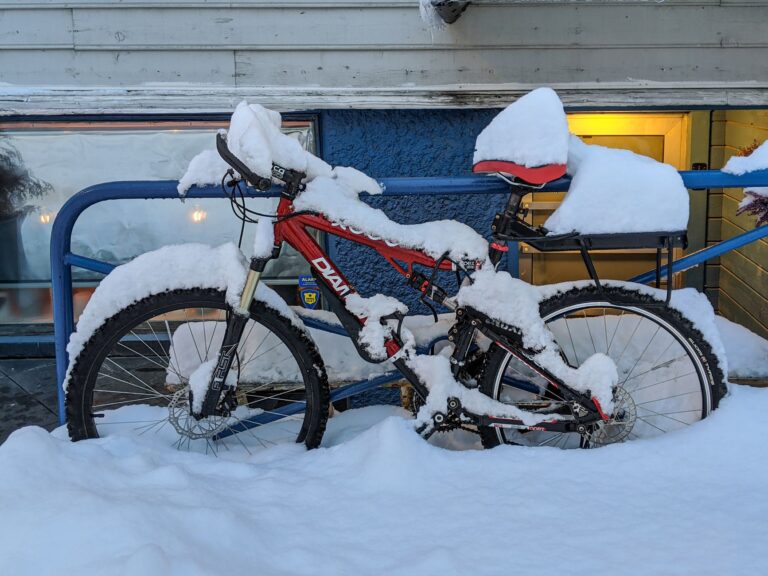
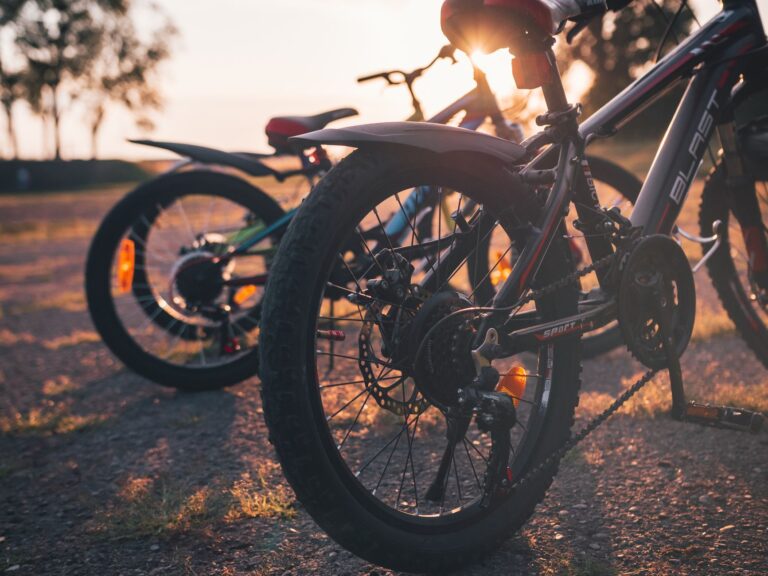
A gravel bike suits riders who want speed on pavement with the option to explore dirt roads and light trails, while a mountain bike suits riders who need control and traction on rough, technical terrain. The right choice depends less on the bike itself and more on where you actually plan to ride most often.
Both are built to leave pavement, but they solve different problems. A gravel bike borrows a road bike's drop handlebars and efficient frame geometry, then widens the tires and tweaks clearance for unpaved surfaces. A mountain bike starts from the opposite direction: it's built first for control over rocks, roots, and drops, with comfort and speed on smooth ground as secondary concerns.
Table of Contents
- What Separates a Gravel Bike From a Mountain Bike
- Which Terrain Fits Which Bike
- Speed, Comfort, and Distance
- Which Bike Fits Your Riding Style
- Maintenance and Cost Considerations
What Separates a Gravel Bike From a Mountain Bike
A gravel bike looks like a road bike at first glance. It has drop handlebars, a lighter frame, and a riding position that leans forward for aerodynamics. The defining difference is tire clearance and width: gravel bikes typically run tires between 35mm and 45mm, wide enough to smooth out rough chip-seal roads, dirt paths, and light gravel without the drag of a true off-road tire. A mountain bike is built around suspension, tire volume, and a riding position suited to steep, technical ground.
Tires run anywhere from 2.1 to 2.6 inches wide or more, and many models include front suspension forks or full suspension to absorb impacts from rocks and roots. The upright handlebars give better leverage for quick steering adjustments on uneven trails. Gearing reflects the same split. Gravel bikes often use road-style or wide-range 1x drivetrains tuned for sustained pedaling efficiency over long distances. Mountain bikes prioritize low gear ratios for steep, technical climbs where momentum is harder to maintain.
Which Terrain Fits Which Bike
Terrain is the clearest deciding factor. A gravel bike performs best on paved roads, fire roads, canal paths, and packed dirt or crushed gravel surfaces.
It can handle occasional rough sections, but its narrower tires and lack of suspension make it harder to control on loose rock, deep sand, or anything with significant elevation drops. A mountain bike is the better tool for singletrack trails, technical descents, roots, drops, and loose rockbeds. Suspension absorbs impacts that would otherwise jar a rider's hands and spine, and wider tires grip surfaces a gravel tire would slide across.
- Paved roads and bike paths: gravel bike, for speed and lower rolling resistance
- Smooth gravel and fire roads: gravel bike, comfortably
- Mixed terrain with some rough spots: either, depending on how rough "rough" gets
- Singletrack, roots, and rock gardens: mountain bike
- Steep technical descents: mountain bike, for the suspension and control
Speed, Comfort, and Distance
If covering ground efficiently matters most, a gravel bike has the advantage. Its lighter frame, narrower tires, and aerodynamic position let riders maintain higher average speeds over long mixed-surface rides, which is why gravel bikes dominate long-distance gravel racing and touring. A mountain bike trades that speed for stability and shock absorption.
Riders cover technical terrain slower, but suspension and wider tires reduce fatigue from constant jolting on rough ground, which matters more on multi-hour trail rides than raw speed does. Comfort also depends on hand position. Drop bars on a gravel bike allow multiple hand positions for long rides, reducing strain on any single point. Mountain bike handlebars are flatter and wider, giving more immediate control but fewer position changes over a long ride.
Which Bike Fits Your Riding Style
The decision usually comes down to how you answer a few honest questions about your riding habits. Riders who split time evenly between pavement and technical trails face the hardest tradeoff, since neither bike excels at the other's strength. In that case, the terrain you ride most often — not the terrain you ride occasionally — should decide.
- Do you ride mostly on roads or paved paths with occasional dirt? Choose a gravel bike.
- Do you want to cover long distances efficiently, including on pavement? Choose a gravel bike.
- Do you ride singletrack trails with roots, rocks, or drops? Choose a mountain bike.
- Do you prioritize control and shock absorption over speed? Choose a mountain bike.
- Do you want one bike for commuting and weekend exploring on light trails? A gravel bike covers more scenarios.
Maintenance and Cost Considerations
Mountain bikes, especially those with front or full suspension, generally cost more to maintain. Suspension forks need periodic service, and components like derailleurs and brakes see more wear from mud, dust, and impact on rough trails. Gravel bikes have simpler mechanical demands since most have no suspension to service.
Drivetrain and tire wear still occur, but the maintenance burden is closer to a road bike's than a mountain bike's. Riders who want lower long-term upkeep costs and simpler repairs often find gravel bikes easier to own. Tire choice also affects cost over time. Wider mountain bike tires wear from rock contact and sidewall abrasion, while gravel tires face less abrasive wear but can suffer sidewall cuts on sharp rocks if run at low pressure.