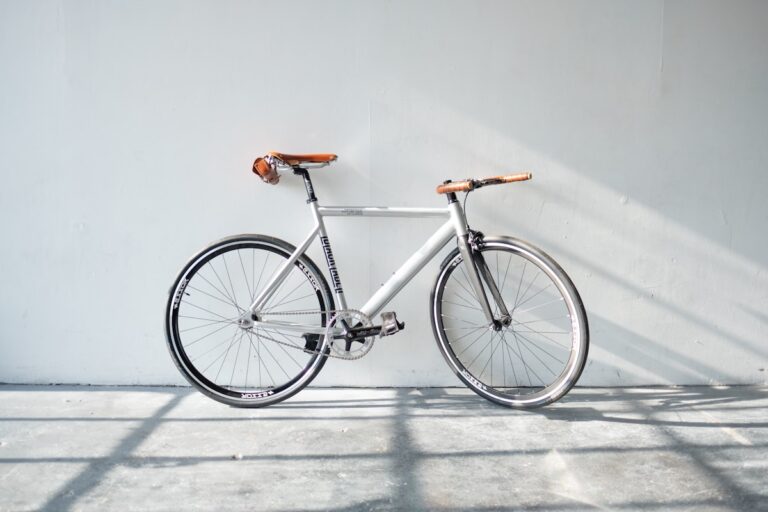
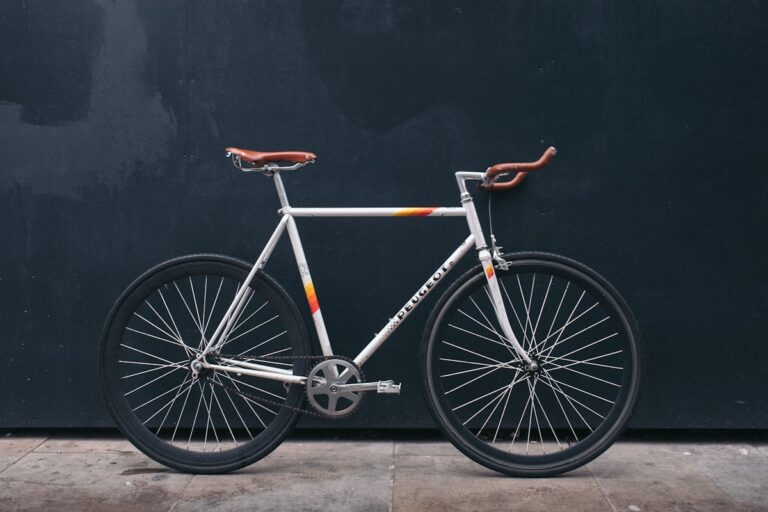
Fixed-gear cargo bikes bring the simplicity of single-speed, fixed-gear drivetrains to the world of hauling, pairing minimal mechanical complexity with serious load-carrying intent. They are not common mainstream cargo choices, but where they work they offer low maintenance, direct rider control, and a focused riding experience that some riders prefer for short urban deliveries or lightweight hauling.
Why fixed gear for cargo?
– Simplicity. A fixed-gear drivetrain has far fewer parts than a geared or internally geared system, meaning less to break, adjust, or replace after heavy use[5].
– Mechanical efficiency. Without derailleur losses or hub-gear drag, a well-built single-speed or fixed-gear set-up can be slightly more efficient at transferring pedaling power to the wheel[5].
– Braking and control feel. Riding fixed gives the rider continuous pedal feedback and a direct connection to wheel speed; experienced riders use this feedback to modulate speed with leg power when descending or maneuvering a loaded bike[5].
Designs and frame choices
Fixed-gear cargo bikes are usually built around the same fundamental cargo-bike layouts used for other drivetrains: longtail frames, front-box (bakfiets) platforms, or flatbed racks. Longtail frames extend the rear triangle to carry passengers or bulky loads on a reinforced rack, and they can be adapted to a fixed-gear hub or flip-flop hub that allows fixed or freewheel riding[3][4]. Front-box platforms can in some cases be adapted to single-speed or fixed setups, though the torque demands of heavy front loads make careful frame and hub selection essential[6][4].
Load limits and structural considerations
Cargo capacity depends far more on frame construction, tubing, rack design, and wheel strength than on whether the drivetrain is fixed or geared. Heavy-duty racks, reinforced rear triangles, strong spokes and rims, and robust hubs are the parts that determine safe load limits[1][4]. Converting a standard fixie frame into a cargo hauler without upgrading those structural elements is not recommended.
When fixed-gear cargo bikes make sense
– Short, flat urban routes. Fixed setups work best where stops are frequent and steep hills are minimal, because starting a heavy load from a stop and climbing steep grades are harder without multiple gears[5].
– Low-maintenance fleets. For businesses running short-run deliveries, a fixed-gear cargo bike can reduce downtime and mechanical servicing needs compared with multi-speed systems[5].
– Rider preference and technique. Some couriers and riders prefer the predictability and directness of fixed-gear handling and accept the trade-offs for certain delivery styles[5].
Limitations and safety issues
– Hill climbing. Fixed-gear bikes lack low gears for climbing with heavy loads, increasing rider fatigue and limiting usable route choices[5].
– Starting from stops. Moving large mass from a stop on a single gear requires more torque from the rider and can stress the frame, hub, and wheel components if they are not designed for cargo loads[1][4].
– Braking redundancy. Many cargo bikes use rim or disc brakes sized for heavy loads; when using a fixed hub as the primary method of slowing, riders must ensure the bike retains powerful conventional brakes for safety, especially with passengers[2].
– Wheel and spoke stress. Heavier payloads amplify forces on wheels. Cargo-specific wheels with reinforced spokes and rims are important to avoid failure under load[1][4].
Practical build tips
– Use a purpose-built cargo frame or thoroughly reinforce an existing frame before hauling significant weight[4][6].
– Fit wheels built for load carrying: stronger rims, thicker spokes, and higher spoke counts help distribute stress[1].
– Choose a hub rated for torque and load; consider a flip-flop hub that gives the option of fixed or freewheel riding depending on route or rider preference[5].
– Keep low gearing in mind: if your routes include hills or heavy starts, consider a large chainring/small cog ratio tuned to your cadence and strength or opt for an internally geared hub or e-bike assist instead of pure fixed[7][2].
– Upgrade brakes to robust hydraulic or quality mechanical disc systems and ensure proper maintenance schedules when regularly carrying cargo[2][1].
E-bikes, gears, and alternatives
Electric assist and multi-speed cargo systems have become the dominant trend for heavy-duty urban cargo riding because they dramatically expand range, carrying capacity, and hill-climbing ability[7][2][8]. If your routes involve steep grades, long distances, or very heavy loads, an electric cargo bike or a multi-speed longtail will be more practical than a fixed-gear solution[7][2][3]. That said, a fixed-gear cargo bike can still be an attractive option for short, flat, local routes where low maintenance and rider control are priorities[5].
Who should consider a fixed-gear cargo bike?
– Bike couriers on short, flat delivery routes who prioritize low maintenance and robust simplicity[5].
– Urban riders who want a minimalist aesthetic and are willing to accept route limitations in exchange for direct, mechanical feedback[5].
– Enthusiasts building a custom cargo bike for light to moderate loads who understand the structural upgrades required and have the skills or budget to spec cargo-grade wheels and racks[4][6].
Sources
https://retrospec.com/products/harper-fixie-bike-single-speed
https://www.radpowerbikes.com/products/radrunner-plus-electric-cargo-utility-bike
https://www.hovsco.com/blogs/cargo-utility-e-bikes/what-makes-a-longtail-e-bike-the-smartest-everyday-cargo-choice
https://unitedebike.com/longtail-cargo-bike-explained-user-insights-that-shape-better-products/
https://ferlafamilybikes.com/blogs/news/different-types-of-cargo-bikes-explained
https://www.cyclesprog.co.uk/cargo-bikes/best-electric-longtail-cargo-bikes-to-carry-kids/
https://bike.shimano.com/en-AU/stories/article/say-hello-to-shimano-steps-e-cargo.html