Electric bicycles vs traditional bikes is a topic that comes up a lot whenever people think about commuting, getting fitter, or just having more fun on two wheels. Both options have clear strengths and drawbacks. Understanding these can help you choose the bike that fits your life, your body, and your budget.
What is a traditional bike
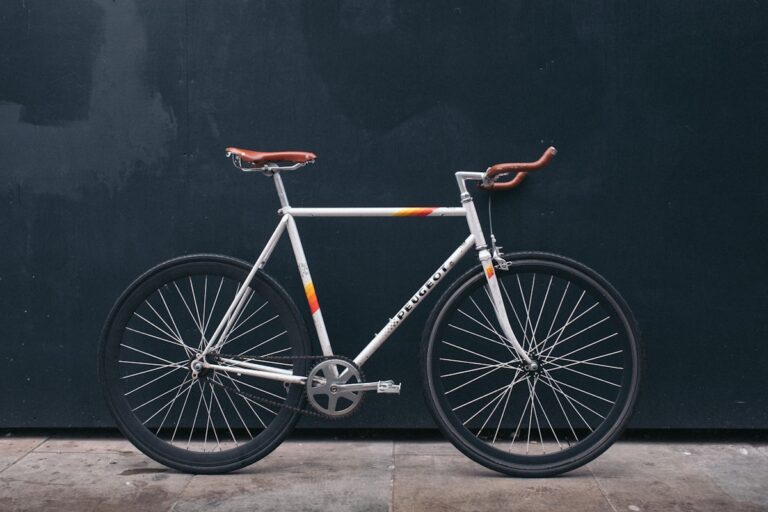
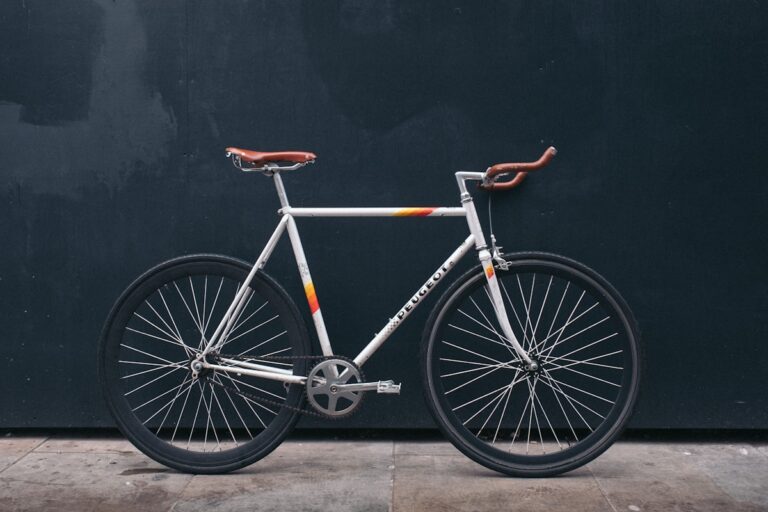
A traditional bicycle is powered only by your legs. You push the pedals, a chain turns the gears, and the wheels move. There is no motor and no battery. The design is simple and has changed only slowly over decades. Road bikes, mountain bikes, hybrids, and city bikes are all traditional bikes if they do not include electric assist.
What is an electric bicycle
An electric bicycle, or e bike, is still a bicycle but with a small electric motor and a battery added to assist your pedaling. You still pedal, but the motor makes each pedal stroke easier. Many e bikes use pedal assist, where the motor only works when you are pedaling. Some also include a throttle so that you can move without pedaling at all for short periods.[3][6]
The motor power is usually in the range of about 250 watts on the low end up to around 750 watts on more powerful models.[3][6] The battery is normally mounted in or on the frame and can be recharged from a regular wall outlet. Most e bikes in everyday use are designed to help you ride moderate distances at comfortable speeds, not to act as motorbikes.
Speed and effort
One of the biggest differences is how much effort you need to ride at a given speed.
On a traditional bike your speed is limited by your fitness, your skill, and how long you can keep pushing hard. Riding into a headwind or climbing hills can slow you down a lot. Commuters who ride 10 to 20 kilometers each way often arrive sweaty and tired if they ride quickly.
On an electric bike the motor helps keep your speed more consistent.[1] Common assisted speeds are around 20 miles per hour on basic models and up to about 28 miles per hour on faster types, depending on local laws and the bike’s design.[3][6] You can choose lower levels of assist to get more exercise and higher levels when you are tired or facing a steep hill.[7] This makes it easier to plan your travel time and arrive feeling fresher.
Range and distance
Traditional bikes can go very long distances in theory because they are limited only by your own stamina, food, and water. Long distance cyclists can cover 100 kilometers or more in a day, but this takes training and time.
Electric bikes have a practical range set by the size of the battery and how much assistance you use. Many everyday e bikes can travel somewhere around 25 to 40 miles on a charge at moderate assist levels.[3][6] If you ride mostly on low assist, you can often stretch this further. If you rely on high assist or throttle all the time, your range will shrink. For most daily commutes under about 15 to 30 kilometers each way, a modern e bike can handle the distance comfortably on one charge.[1][6]
Health and fitness
If your main goal is exercise, traditional bikes have a simple advantage. You provide all the power. As long as you ride regularly and push yourself, you will build cardiovascular fitness, leg strength, and endurance.
Electric bikes still provide exercise, but in a different way. Because the motor supports you, your heart rate and effort level can be lower for the same distance. At first this might sound like a disadvantage. However, many riders report that they ride more often and go farther with an e bike, because rides feel less intimidating and more enjoyable.[7] This can mean more total time spent moving, especially for older riders or people returning to activity after a long break.
For someone who is already quite fit and wants intense training, a traditional bike is usually better. For someone who wants to be active but worries about hills, distance, or joint pain, an e bike can make regular riding realistic.
Cost and maintenance
Traditional bikes usually cost less up front. You can find a reliable new non electric bike at a much lower price than most quality e bikes. Because the parts are simpler, repairs and routine adjustments are also cheaper. Any basic bike shop can service a traditional bike, and many repairs can be learned at home.
Electric bikes cost more at the start. The motor, battery, and electronics add to the price.[3][6] Over time you also need to think about replacing the battery after several years of use, which is an extra cost that traditional bikes do not have. Maintenance can be a bit more complex. Most of the mechanical parts are similar to a normal bike, but diagnosing electrical problems usually requires a shop with e bike experience.
On the other hand, many people use e bikes to replace car trips. If an e bike allows you to avoid fuel, parking, tolls, or public transport tickets on a regular commute, the higher purchase price can be balanced by lower daily costs.
Weight and handling
Traditional bikes are generally lighter because they do not carry a motor or battery. This makes them easier to lift up stairs, hang on a wall rack, carry onto a train, or maneuver in tight spaces. Lighter weight also tends to make a bike feel more responsive when you accelerate or change direction.
Electric bikes are heavier. The extra mass makes them more stable at speed but can be noticeable at low speeds or when pushing the bike up a ramp or stairs. Modern designs and lighter batteries mean many e bikes are not as heavy as early models, but they still typically weigh much more than a basic non electric bike.[3][6] Folding electric bikes try to balance this with compact frames and smaller wheels, but even those are often heavier than similar folding traditional bikes.[5]
Environmental impact
Both electric and traditional bikes are far more environmentally friendly than cars for daily trips. They require less energy, create no exhaust while riding, and take less space in traffic and parking.
Traditional bikes have the smallest direct environmental footprint, since they do not need electricity or batteries. Their impact comes mainly from manufacturing and later disposal of parts.
Electric bikes use electricity to charge and rely on batteries that eventually must be recycled or replaced. However, their energy use per mile is still very low compared with motor vehicles. For people who switch from driving to an e bike for commuting, the reduction in emissions and congestion can be significant.[6]
Accessibility and comfort
One of the strongest arguments in favor of electric bikes is accessibility. E bikes can open cycling to people who might otherwise avoid it.
Riders with knee pain, heart concerns, asthma, or lower fitness often fear steep hills or long distances. With pedal assist they can still enjoy riding, choosing more support when needed. Older riders in particular may find that an e bike lets them keep cycling in comfort, whereas a traditional bike might feel too demanding.[6][7]
Commuters can ride without needing a change of clothes, because they can reduce effort and sweat with higher assist. People who live in very hot or very hilly areas often find an e bike makes cycling a realistic option where a traditional bike does not.
Traditional bikes still have advantages in certain types of comfort. Light, simple bikes can feel more nimble and direct. For riders who already feel physically confident, the pure, quiet feel of pedaling without motor support can be more satisfying.
Legal rules and riding restrictions
Traditional bicycles tend to have clearer rules. In most places they are allowed on bike paths, city streets, and many multi use trails. Riders must follow the usual traffic laws, but there are rarely speed or equipment restrictions beyond basic safety rules.
Electric bikes fall into different legal classes depending on power, top assisted speed, and whether they have a throttle. These classes help determine where they are allowed to ride and whether helmets or age limits apply.[4][6] In some areas, faster or more powerful e bikes cannot use certain paths that are open to regular bikes. Local rules differ widely, so checking the regulations in your region is important before buying.
Storage and security
A simple, light bike is easier to store indoors or on a balcony. Traditional bikes with quick release wheels or simple racks can be carried upstairs or hung on wall mounts without too much effort.
Electric bikes often need more careful planning. Their extra weight makes stairs harder. The value of the motor and battery makes them attractive to thieves, so strong locks and secure parking are important. Many riders remove the battery when locking the bike outside to reduce theft risk and to be able to charge it indoors.
For people with limited space, folding bikes are an option on both sides. Folding electric bikes can be stored in closets or under desks but again will weigh more than comparable non electric folders.[5]
Ride feel and enjoyment
The feel of the ride is a personal matter.
Fans of traditional bikes often describe a sense of direct connection between their effort and the bike’s response. The quiet, simple mechanics and light weight can make rides feel smooth and natural, especially on open roads or trails. Riders who enjoy pushing themselves or feeling every rise and fall of the terrain tend to prefer this style.
Electric bikes provide a different kind of enjoyment. The motor makes hills seem smaller and headwinds less punishing. Starting from a stop at traffic lights feels easier. Many riders say that e bikes turn commutes into something they look forward to instead of something they dread.[1][7] Being able to choose assist level lets you decide whether today’s ride will be gentle or energetic without worrying as much about getting stuck far from home in a state of exhaustion.
Who is better suited to a traditional bike
A traditional bike may be a better fit if you:
• Want maximum exercise and fitness benefits from every ride
• Prefer a lighter