The short answer is 400 to 800 milliliters per hour, or roughly 13 to 27 ounces, adjusted based on the weather, your effort level, and how much you personally sweat. On a mild day, one standard bottle (500 ml) per hour is a reasonable baseline. When the temperature climbs, you may need to double that to a full liter per hour. Sports scientist Andy Blow, CEO of Precision Fuel and Hydration, has recommended exactly this range, and it aligns with guidelines from multiple cycling nutrition sources. But that range is wide for a reason.
Hydration is not a one-size-fits-all formula. Some professional riders drink as little as 200 to 300 ml per hour on cold days, while others consume up to 1.5 liters per hour during hot-weather stage races. Your own needs depend on your body size, fitness, sweat rate, and riding conditions. A 130-pound rider spinning easy in October is a completely different hydration scenario than a 190-pound rider grinding through a July century. This guide covers what to drink before, during, and after your ride, when to add electrolytes, how to measure your personal sweat rate, and why drinking too much can actually be as dangerous as drinking too little.
Table of Contents
- How Much Water Should You Actually Drink While Cycling?
- Pre-Ride Hydration and Why Starting Behind Is Hard to Fix
- When Water Is Not Enough — Electrolytes and Carbohydrates on Longer Rides
- How to Calculate Your Personal Sweat Rate
- The Overlooked Danger of Drinking Too Much
- Post-Ride Rehydration Done Right
- The Hybrid Approach to Cycling Hydration in 2025
- Conclusion
- Frequently Asked Questions
How Much Water Should You Actually Drink While Cycling?
The 400 to 800 ml per hour guideline gives you a workable window, but the practical way to apply it is through drinking cadence. Most sources recommend taking two to three large gulps, roughly 6 to 8 ounces or about 200 ml, every 15 to 20 minutes. That rhythm is easier to maintain than trying to track total volume, and it keeps fluid moving through your system at a steady rate rather than flooding your stomach with a large amount all at once. Here is a comparison that makes the range concrete. Say you are riding at moderate intensity on a 70-degree day with low humidity. One bottle per hour is likely fine.
Now put yourself on the same route in 90-degree heat with full sun. You will probably drain two bottles in the same hour and still feel thirsty. The difference between the low end and high end of that range is entirely situational, which is why rigid rules like “drink one bottle every 45 minutes” can steer you wrong in either direction. One thing to watch for: if you only drink when you feel parched, you are already behind. Thirst is a lagging indicator, especially during hard efforts when your brain is focused on power output and pacing rather than internal signals. Building a habit of sipping at regular intervals, even when you do not feel thirsty, prevents the kind of slow-creeping dehydration that tanks your performance in the final third of a ride.
Pre-Ride Hydration and Why Starting Behind Is Hard to Fix
The best time to address hydration is before you clip in. Drinking roughly 16 ounces (500 ml) of fluid one to two hours before your ride gives your body time to absorb what it needs and excrete the excess. This is not about chugging a bottle in the parking lot five minutes before you roll out. That just sends you looking for a gas station restroom at mile eight. A quick urine color check before you head out is the simplest diagnostic tool available.
Light-colored urine generally indicates adequate hydration. Dark urine means you are starting at a deficit, and no amount of on-bike drinking will fully compensate in real time. If you wake up dehydrated because you did not drink enough the night before, pushing your ride back 30 minutes while you take in fluid is a smarter move than trying to play catch-up while pedaling. However, if you are doing a short ride under an hour, pre-ride hydration matters less. Your body stores enough fluid for low-intensity efforts of that duration, and obsessing over fluid intake for a casual 45-minute spin is unnecessary. The pre-ride protocol becomes genuinely important for rides of 90 minutes or longer, especially in warm conditions.
When Water Is Not Enough — Electrolytes and Carbohydrates on Longer Rides
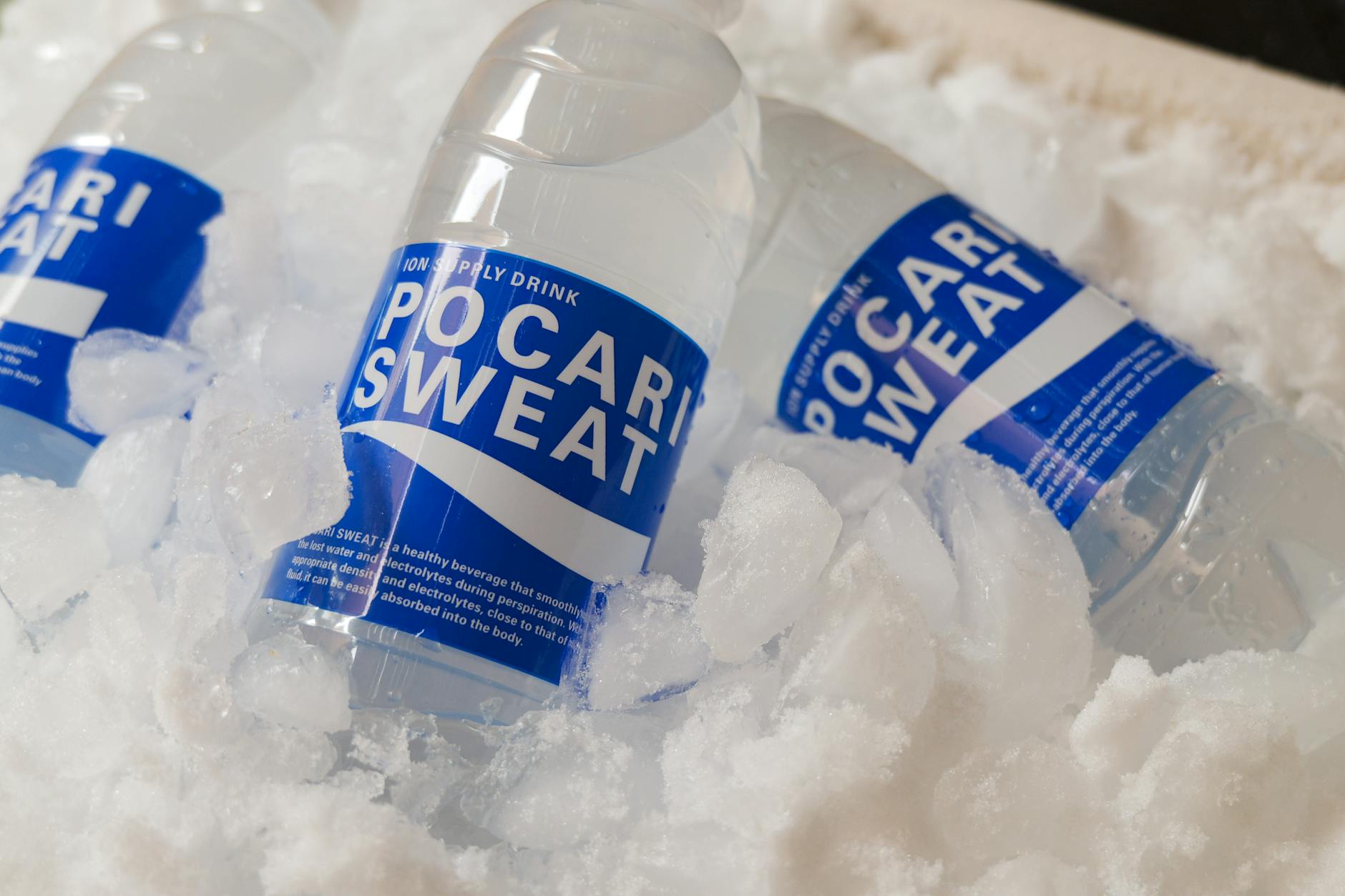
For rides under 90 minutes, plain water is generally sufficient. Your body has enough stored glycogen and electrolytes to handle moderate efforts of that length without supplementation. This is one of those areas where the sports nutrition industry can push you toward products you do not actually need for a weeknight group ride. Once you cross the 90-minute threshold, the equation changes. You start losing meaningful amounts of sodium through sweat, and your glycogen stores begin to deplete.
At this point, an electrolyte and carbohydrate drink becomes worthwhile. The targets cited by sports nutritionists are 500 to 700 milligrams of sodium and 30 to 60 grams of carbohydrates per hour. Elite athletes pushing very high intensities may go up to 90 grams of carbohydrates per hour, but that level of intake requires gut training and is not something most recreational cyclists should attempt on their first long ride of the season. A practical example: if you are doing a four-hour charity ride in summer, carrying one bottle of plain water and one bottle of electrolyte mix, alternating between them, covers both hydration and fueling. If you rely on water alone for that duration, you risk not just bonking from glycogen depletion but also diluting your blood sodium, which brings its own set of problems.
How to Calculate Your Personal Sweat Rate
The most useful thing you can do for your hydration strategy is measure your own sweat rate, and it costs nothing. Weigh yourself nude before a ride and again immediately after, toweled dry. Each pound lost represents approximately 16 ounces of fluid deficit. If you lost two pounds during a 90-minute ride and drank 24 ounces along the way, your total sweat output was roughly 56 ounces over that period, or about 37 ounces per hour. The tradeoff with this method is that it only tells you what happened under those specific conditions.
Your sweat rate at 65 degrees in April is not the same as your sweat rate at 95 degrees in August. Experts recommend retesting at different points throughout the season so your hydration plan actually matches the conditions you are riding in. A rider who dialed in their fluid intake during spring base miles and never recalibrated may be significantly under-drinking by midsummer. Compare this to using a commercial sweat test, which analyzes the sodium concentration of your sweat. That gives you more detail about electrolyte losses specifically, but the simple scale method remains the gold standard for total fluid planning and requires no special equipment.
The Overlooked Danger of Drinking Too Much
Most hydration advice focuses on the risks of under-drinking, but overhydration poses its own serious threat. Hyponatremia occurs when you drink so much water that your blood sodium levels become dangerously diluted. It is more common among cyclists than many realize, particularly during long, moderate-pace rides where riders sip constantly without replacing electrolytes. The symptoms of hyponatremia can mimic dehydration — nausea, headache, confusion, fatigue — which creates a dangerous feedback loop. A rider who feels lousy and assumes they need more water may actually be making the problem worse by continuing to drink plain water without sodium.
In severe cases, hyponatremia can cause seizures and is a medical emergency. The warning here is straightforward: if you are on a ride longer than two hours and drinking consistently, make sure some of that fluid contains electrolytes. Straight water for five hours is not a hydration plan. It is a recipe for trouble. This is especially relevant for slower riders on long events, who spend more time on the course and may drink more total fluid at lower intensities where they are not sweating as heavily.
Post-Ride Rehydration Done Right
What you drink after the ride matters more than most cyclists think. The current recommendation is to consume a 16-ounce recovery drink within 20 to 40 minutes of finishing, followed by at least another 16 ounces of water.
If the ride was particularly long or intense, spacing your rehydration over several hours is more effective than trying to replace everything at once. For example, after a hard three-hour ride in summer, you might drink a recovery shake immediately, then sip 8 to 10 ounces of water every 30 minutes for the next two hours. This paced approach lets your body absorb fluid more efficiently than dumping 48 ounces into your stomach in one sitting, which often just results in frequent bathroom trips without actually rehydrating your tissues.
The Hybrid Approach to Cycling Hydration in 2025
The current consensus among sports scientists favors what is being called a hybrid approach to hydration. Rather than rigidly following a preset volume schedule or relying solely on thirst, the idea is to combine a baseline intake plan with real-time adjustments based on how you feel, how hot it is, and how hard you are working. You start the ride with a plan — say, one bottle per hour — and then adjust up or down based on actual conditions.
This reflects a broader shift in sports nutrition away from prescriptive rules and toward personalized strategies. The rider who tests their sweat rate across different seasons, pays attention to urine color, and adjusts their electrolyte intake based on ride duration is going to perform and recover better than the rider following a generic chart. Hydration is one of the few areas of cycling performance where small, free adjustments yield outsized returns.
Conclusion
Cycling hydration comes down to a few key principles. Start your ride well-hydrated by drinking about 500 ml of fluid one to two hours beforehand. Aim for 400 to 800 ml per hour on the bike, sipping every 15 to 20 minutes rather than waiting until you are thirsty.
Use plain water for rides under 90 minutes and add electrolytes and carbohydrates for anything longer. After the ride, rehydrate gradually over several hours rather than all at once. The single most valuable step you can take is measuring your personal sweat rate with a simple before-and-after weigh-in, then retesting as the seasons change. Combine that data with attention to weather, effort level, and how your body feels, and you will have a hydration strategy that actually fits your riding rather than a generic recommendation borrowed from someone else’s physiology.
Frequently Asked Questions
Can you drink too much water while cycling?
Yes. Overhydration, known as hyponatremia, occurs when excessive water intake dilutes blood sodium to dangerous levels. This is why electrolyte supplementation matters on longer rides. Symptoms include nausea, headache, and confusion, and can be severe in extreme cases.
Is it better to drink water or sports drinks while cycling?
For rides under 90 minutes, plain water is sufficient. Beyond that, a drink containing 500 to 700 mg of sodium and 30 to 60 g of carbohydrates per hour helps replace what you lose through sweat and supports sustained energy.
How do I know if I am dehydrated before a ride?
Check your urine color. Light-colored urine indicates adequate hydration, while dark urine signals that you need to drink more before heading out. Drinking 500 ml of fluid one to two hours before riding gives your body time to absorb it properly.
How do I calculate my sweat rate for cycling?
Weigh yourself nude before and after a ride, toweled dry. Each pound lost equals roughly 16 ounces of fluid deficit. Add back whatever you drank during the ride to get your total sweat output, then divide by the ride duration in hours.
Do professional cyclists drink more water than recreational riders?
It varies enormously. Some pros drink as little as 200 to 300 ml per hour on cold days, while others consume up to 1.5 liters per hour during hot stages. The key difference is that professionals typically have precise sweat rate data and personalized hydration plans developed with team nutritionists.