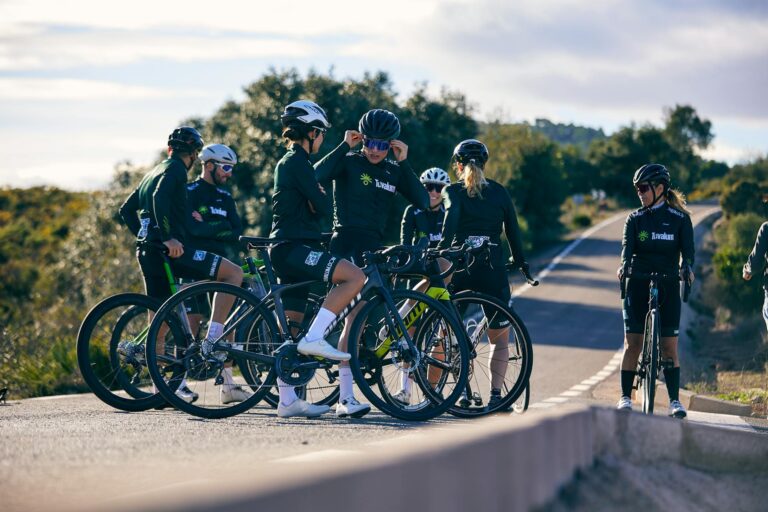
Cycling has long been known as a fantastic form of exercise for the body, but did you know it can also work wonders for your brain? That’s right, hopping on a bike and hitting the road or the trails can actually improve your overall brain function and cognitive abilities. Don’t believe us? Well, buckle up and get ready to have your mind blown as we dive into the many ways that cycling can benefit your brain.
1. Boosts Blood Flow
One of the main reasons why cycling is so good for your brain is because it increases blood flow. As you pedal away, your heart rate increases and pumps more oxygen-rich blood to your brain. This helps to nourish and support the growth of new brain cells, improving cognitive function and overall brain health.
2. Reduces Stress and Anxiety
We all know that exercise is a great stress reliever, and cycling is no exception. When you’re out riding, your body releases endorphins, also known as the “feel-good” hormones. These endorphins can help to reduce anxiety and improve your mood. In fact, studies have shown that just 20-30 minutes of cycling can decrease levels of the stress hormone cortisol in the body.
3. Improves Memory
Did you know that cycling can actually improve your memory? A study conducted by the University of Illinois found that aerobic exercise, like cycling, can increase the size of the hippocampus, which is responsible for memory and learning. So, next time you’re struggling to remember something, hop on your bike for a quick ride.
4. Increases Brain Connectivity
Cycling not only improves blood flow to the brain, but it also increases brain connectivity. This means that different parts of your brain are able to communicate and work together more efficiently. This can enhance problem-solving skills, decision-making abilities, and overall cognitive function.
5. Combats Depression
Regular exercise, such as cycling, has been shown to be effective in reducing symptoms of depression. In fact, a study from the University of Bern in Switzerland found that cycling was just as effective as psychotherapy in treating mild to moderate depression. So, instead of reaching for a pill bottle, grab your bike and go for a ride.
6. Boosts Creativity
Need a boost of creativity? Hop on your bike! A study published in the Journal of Clinical and Diagnostic Research found that cycling can enhance divergent thinking, which is the ability to come up with new and innovative ideas. So, next time you’re feeling stuck or in a creative rut, take a break and go for a ride.
7. Protects Against Age-Related Cognitive Decline
As we age, our brains naturally start to decline, leading to memory loss and other cognitive issues. However, regular physical exercise, like cycling, has been shown to protect against age-related cognitive decline and even reduce the risk of developing Alzheimer’s disease.
8. Improves Sleep Quality
Getting enough quality sleep is crucial for cognitive function and overall brain health. And cycling can help with that too! Studies have shown that regular exercise can improve the quality of sleep, making it easier to fall asleep and stay asleep. So, if you’re tossing and turning at night, try adding cycling to your daily routine.
9. Fosters Mindfulness
Cycling can also be a great way to practice mindfulness, which is the act of being present in the moment and fully engaged in an activity. When you’re out riding, you’re focused on the road, your breathing, and the movement of your body. This helps to quiet the mind and reduce stress and anxiety.
10. Provides a Sense of Accomplishment
Last but not least, cycling can give you a sense of accomplishment. Whether you’re completing a long-distance ride or conquering a tough hill, achieving your goals on the bike can boost self-confidence and improve overall well-being.
So, there you have it, folks! Cycling isn’t just great for your physical health, but it can also do wonders for your brain. From boosting blood flow and improving memory to reducing stress and fostering creativity, there’s no denying that hopping on a bike is a fantastic way to keep your brain in top shape. So, grab your helmet and hit the road – your brain will thank you!