Cycling and intermittent fasting make a strong team for shedding pounds. Together, they boost fat burning, control hunger, and build better habits without feeling deprived.
Intermittent fasting means eating only during set times, like the popular 16:8 plan where you fast for 16 hours and eat in an 8-hour window. This setup cuts calories naturally since you skip late-night snacks or extra meals. Your body switches from using food sugar for energy to burning stored fat, a process called metabolic flexibility. Hormones shift too: hunger signals drop, insulin works better, and fat-burning ramps up. Studies show this leads to steady weight loss, often 5 to 12 percent of body weight over weeks or months, plus perks like lower blood sugar and less inflammation.[1][2][4][5][6]
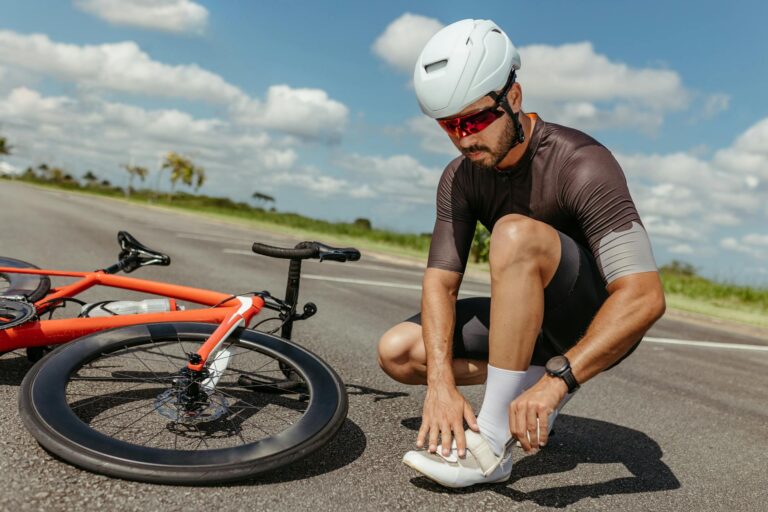
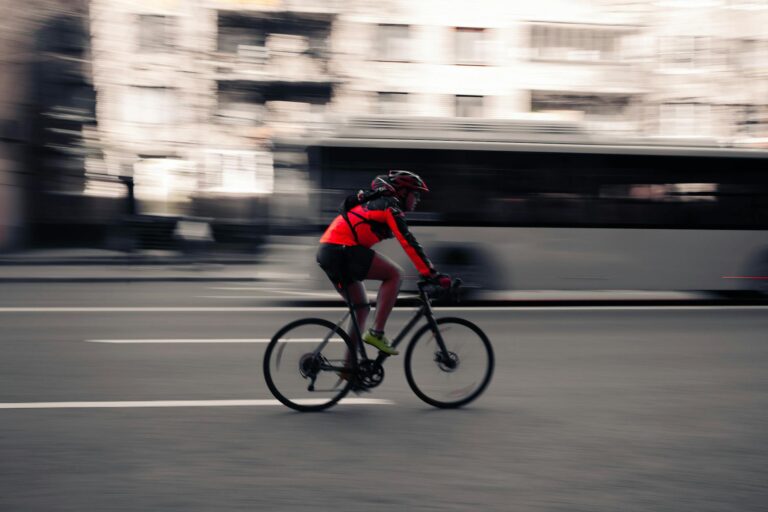
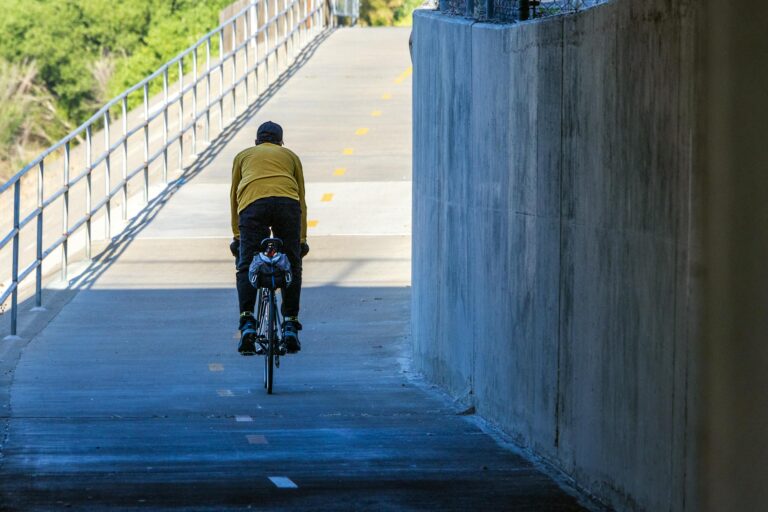
Cycling fits right in because it burns a ton of calories while being easy on the joints. A moderate bike ride for 30 to 60 minutes can torch 300 to 600 calories, depending on your speed and weight. It builds muscle in your legs, which speeds up your resting metabolism so you burn more even at rest. Pair it with fasting by riding during your fasted window, like morning spins before breaking your fast. This taps fat stores directly since glucose is low, making rides feel efficient once your body adapts. Runners and cyclists in studies kept performance steady with short fasts of 8 to 12 hours, though intense long rides might need fuel if you’re new to it.[2]
Start simple to avoid burnout. Try 16:8 fasting: eat from noon to 8 p.m., and cycle 3 to 5 days a week for 30 minutes at easy paces. On eating days, focus on whole foods like veggies, lean proteins, fruits, nuts, and whole grains to stay full and fueled. Drink water, black coffee, or tea during fasts to curb hunger. Women in menopause saw big wins with this combo, dropping belly fat and improving heart health.[5] Everyone benefits from better insulin control and energy balance.[1][3][4]
Listen to your body. If cycling feels sluggish at first, ease in with shorter fasts or eat a small carb snack pre-ride. Combine both for a calorie deficit without counting every bite, and track progress with how clothes fit or energy levels rise. Stay consistent, and the fat loss adds up over time.[2][3][6]
Sources
https://kinetixweightloss.com/intermittent-fasting-weight-loss/
https://www.runnersworld.com/nutrition-weight-loss/a69820278/intermittent-fasting-weight-loss/
https://www.bhf.org.uk/informationsupport/heart-matters-magazine/nutrition/ask-the-expert/fast-diet
https://www.massgeneralbrigham.org/en/about/newsroom/articles/pros-and-cons-of-intermittent-fasting
https://www.joinmidi.com/post/intermittent-fasting-and-menopause
https://www.cureus.com/articles/434422-intermittent-fasting-efficacy-safety-and-its-impact-on-body-weight-glucose-metabolism-and-gut-microbiota
https://sph.tulane.edu/?news=how-lose-weight-fast-lk8ehealth-effective-and-safe-methods