Cross-country cycling routes are established and improvised bike paths that traverse the continental United States from coast to coast, typically covering between 4,000 and 4,500 miles depending on the route and starting point. These aren’t single highways but networks of roads, trails, and dedicated bikeways that cyclists string together to make the journey from the Atlantic to the Pacific (or vice versa) on two wheels. The most famous established route is the TransAmerica Bicycle Trail, a 4,228-mile route developed by the Adventure Cycling Association that runs from the Pacific Northwest to the Atlantic Coast, passing through ten states and crossing mountain ranges, deserts, and agricultural heartland.
Riding coast to coast represents one of cycling’s most accessible ultra-distance challenges. Unlike racing or mountain biking, which require specific skills or expensive infrastructure, a cross-country ride is primarily an exercise in sustained effort, mental resilience, and logistical planning. Most riders complete the journey between four and eight months, averaging 50 to 70 miles per day, which makes it achievable for cyclists with intermediate fitness levels rather than requiring elite athleticism.
Table of Contents
- Choosing Your Coast-to-Coast Route
- Training and Physical Preparation
- Equipment and Bike Selection
- Navigation, Maps, and Route Finding
- Managing Weather, Terrain, and Seasonal Timing
- Camping, Accommodation, and Resupply
- Community, Support, and Mishaps
- Frequently Asked Questions
Choosing Your Coast-to-Coast Route
Several established cross-country cycling routes serve as frameworks, though cyclists frequently modify them based on personal preference or seasonal timing. The TransAmerica bicycle Trail remains the standard reference, designed specifically for bicycle travel with attention to low-traffic roads and cycling-friendly terrain. The Northern Tier route, another Adventure Cycling Association route, runs about 4,200 miles across the northern United States and tends to feature cooler temperatures and fewer extreme weather events compared to southern routes. The Southern Tier route, approximately 3,200 miles, provides a shorter alternative and is favored by riders who begin in fall or winter to avoid summer heat in desert regions.
Beyond these established routes, many cyclists create custom routes by connecting smaller touring routes, rural highways, and state cycling networks. Strava data and community forums like Adventure Cycling Association’s community platform can reveal unofficial but heavily traveled corridors that other cyclists have found workable. The key tradeoff is simplicity versus customization—following a mapped route reduces planning anxiety but may not align with your timeline, desired scenery, or need to visit specific places along the way. One practical limitation: established routes were designed for specific directions of travel and seasonal conditions. Riding the TransAmerica west-to-east during spring can mean fighting headwinds across the Great Plains, while the reverse in fall offers tailwinds but higher elevation passes with snow risk at higher altitudes.
Training and Physical Preparation
Building the aerobic capacity and muscular endurance for 50-plus miles daily requires a cumulative training block spanning several months. Most cyclists begin with a base of casual cycling—8 to 12 hours per week—then build through longer weekend rides (100-plus miles) and progressively longer multi-day tours. By the time you depart, ideally you’ve completed at least one multi-day tour of 300 to 500 miles to understand how your body responds to consecutive days of cycling without rest days. The reality check: bicycling distance is not primarily about maximum speed or peak power but about efficiency, pacing, and sustained low-intensity effort over hours. A rider capable of a fast 10-mile sprint may struggle with 4,000 miles if they lack endurance base.
Many riders discover during the first 500 miles that they’ve underestimated physical demands and need to reduce daily mileage targets or add rest days. Starting slower than you think necessary—say 40 to 50 miles daily for the first two weeks—allows your body to adapt without injury. Specific preparation should include several overnight tours (two to five consecutive days of riding) to identify equipment issues, chafing problems, and dietary needs before committing to months on the road. Many cyclists neglect lower-body strength and flexibility work, then develop knee, hip, or lower-back problems within 1,000 miles. Incorporating leg strength, core stability, and stretching into your training routine addresses these vulnerabilities before they sideline you.
Equipment and Bike Selection
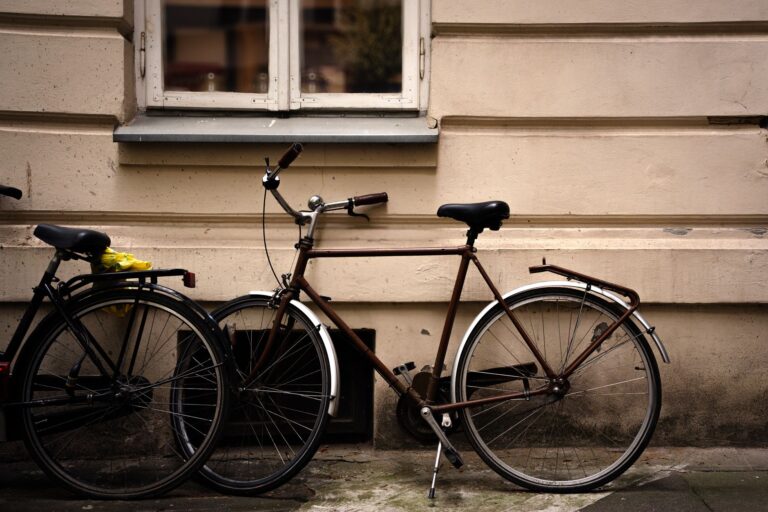
The bike itself matters less than most people think, provided it’s designed for loaded touring. A dedicated touring bike, gravel bike, or older steel road bike with a 70+ millimeter wheelbase (the distance between hub centers) can handle a loaded rear rack and front panniers without dangerous handling characteristics. Lightweight racing bikes and full-suspension mountain bikes perform poorly for this purpose. The bike should accept 45-millimeter-or-wider tires to handle mixed surfaces—many cross-country routes include gravel, unpaved forest roads, and deteriorated pavement. A loaded touring setup typically weighs 60 to 80 pounds total (bike, rider gear, food, water, camping equipment), which distributes roughly half on the rear rack and a quarter on each side of a front rack.
This weight distribution affects how the bike handles, particularly when navigating technical descents or recovering from potholes. Experienced cross-country cyclists often report that a heavier front load (using a front rack and panniers) handles more predictably than a rear-heavy setup, even though it slightly increases rolling resistance. The component tradeoff: flat-bar touring bikes (hybrid style) offer upright comfort but heavier frames and higher rolling resistance compared to drop-bar touring bikes. Drop bars allow you to vary hand position and reduce wind resistance on long sections, but the downward reach can strain lower-back muscles during long touring days. Many riders compromise by using a gravel bike with riser bars and wider tires, accepting slightly less aerodynamic efficiency in exchange for comfort and terrain versatility.
Navigation, Maps, and Route Finding
Before GPS devices became common, cross-country cyclists relied on printed maps from Adventure Cycling Association’s Bicycle Route Maps series, which show traffic patterns, mileage between services (towns with food and water), and known hazards. Modern cyclists have GPS options ranging from smartphone apps with offline mapping to dedicated cycling computers like Garmin Edge models. The practical advantage of dedicated GPS is battery life—a smartphone drains quickly in sustained sunlight, while many GPS units deliver 15-25 hours on rechargeable batteries. A significant limitation of GPS navigation: satellite signal can be unreliable in dense forest canopy or deep canyon terrain, and you still need to know where you’re going before you leave that morning.
Printed maps or downloadable PDF maps of each day’s section offer redundancy if GPS fails. Many experienced cyclists combine both: GPS for real-time routing, printed maps as backup, and a cycling-focused route (like those from Adventure Cycling) that has been vetted by hundreds of riders. The decision between following a GPS breadcrumb trail exactly versus using it as a guide deserves thought. Deviate from the planned route to avoid dangerous hills, access better facilities in a larger town, or chase scenic side trips. Countless cross-country cyclists report that unplanned detours—a diversion to a state park, a detour around construction, a spontaneous side route—provided the most memorable moments, even though they extended the timeline.
Managing Weather, Terrain, and Seasonal Timing
Weather is the single most disruptive variable. Spring snow in the Rocky Mountains can trap riders above 8,000 feet with impassable passes. Summer monsoonal rains in the Southwest can swell normally dry washes into crossable hazards. Fall headwinds on the Great Plains can reduce your speed to 8 miles per hour and extend a 60-mile day to ten hours in the saddle. Timing your departure to align with favorable weather in each region requires either flexibility (spending extra time waiting for conditions to improve) or acceptance of difficult riding days. Elevation gain accumulates significantly on cross-country routes.
The TransAmerica Bicycle Trail involves roughly 188,000 feet of climbing spread across the journey—comparable to summiting Everest from sea level roughly 23 times. This is less dramatic when spread over 4,000+ miles, but it means that even low-traffic flat routes involve substantial climbing. Mountain passes above 9,000 feet can present altitude effects (reduced oxygen) combined with steep grades and thin air, especially for riders starting from lower elevations. A common underestimation: recovery days and rest. Many beginning riders plan to maintain consistent 60-mile days for weeks without stopping. In practice, most cyclists take a rest day every 5 to 10 days to address mechanical repairs, laundry, resupply, and mental recovery. Pushing through fatigue and poor morale for too long erodes your enjoyment of the experience and increases injury risk.
Camping, Accommodation, and Resupply
Cross-country cyclists employ different strategies for sleeping and eating depending on budget, schedule, and preference. Fully self-sufficient bikepacking uses a lightweight tent and camping stove, reducing dependency on services but requiring carrying water in arid sections and accepting that campsites may be 50+ miles apart. Hotel and motel hopping offers showers, beds, and laundry but costs 40 to 90 dollars per night and assumes towns are reasonably spaced (typically every 50-80 miles on established routes). Many cyclists use a hybrid approach: camping most nights to reduce cost and carry minimal gear, then splurging on a motel night every 4 to 7 days for a hot shower, laundry, and recovery sleep.
This strategy costs 300 to 500 dollars per month for accommodation, versus 1,200 to 2,700 for nightly hotels, while still providing mental and physical breaks. Resupply logistics depend heavily on terrain. Desert and mountain sections may have towns 80 to 120 miles apart, requiring you to carry extra food and water or plan mileage around available services. Midwest agricultural regions often have small towns every 15 to 25 miles, making daily resupply feasible. The Adventure Cycling route maps explicitly list services at each town—gas stations, grocery stores, restaurants—so you can plan daily distances around where you’ll actually eat and sleep.
Community, Support, and Mishaps
Most cross-country cyclists encounter mechanical failures—flat tires, broken chains, derailleur damage, bearing wear—that require roadside repair or professional help. Carrying basic tools (multitool, spare chain links, patch kit, pump, cone wrenches) lets you address 90 percent of roadside issues without waiting for a bike shop. The remaining 10 percent—a broken frame, cracked hub, or bent derailleur hanger—may require a day or two in town for repair or replacement parts to ship. Adventure Cycling Association operates a resource network for touring cyclists, including maps, planned routes, community feedback on specific sections, and sometimes sag wagon support for organized group rides. Local cycling clubs and touring groups in many regions have established track records of helping passing cyclists with repairs, information, and sometimes spare parts.
Building a support network before departure—friends or family willing to mail supplies or provide real accommodation in larger cities along your route—significantly reduces stress and expense during the journey. Solo versus group travel presents a tradeoff worth considering. Riding alone offers complete schedule flexibility and self-reliance but removes the safety and psychological benefit of a riding partner. Small groups (2 to 4 riders) balance independence with companionship and shared problem-solving, though personality conflicts can emerge over weeks of close travel. Larger organized groups (10-plus riders with a sag wagon) sacrifice adventure and spontaneity but provide formal support, social connection, and structured logistics.
Frequently Asked Questions
How much does a coast-to-coast cycling trip cost?
Budget ranges from $3,000 to $8,000 depending on accommodation choices, camping versus hotels, meal planning, and initial gear investment. Fully self-sufficient camping might cost $40 to $60 per day (food, minor repairs, resupply), while hotel-based travel costs $80 to $150 per day. This assumes you have a bike already; a quality touring bike costs $800 to $2,500.
How many hours per day do you actually spend riding?
Most cyclists ride 6 to 8 hours per day to cover 50 to 70 miles, depending on terrain and fitness. This includes short breaks for water and food, but doesn’t account for time spent camping, cooking, resupply, or rest days.
What’s the best time of year to start a coast-to-coast ride?
Starting in late spring (May-June) or early fall (August-September) avoids extreme heat in the Southwest and winter conditions in mountain passes. Spring carries snow risk in high elevations; fall often features strong headwinds on the Great Plains. Personal timing depends on which region you wish to prioritize for favorable conditions.
Do you need experience with long-distance cycling before attempting this?
Previous experience with multi-day tours (3-5 days) is valuable for identifying equipment problems and understanding your physical response to sustained riding. A completely untrained cyclist can attempt it but should expect slower daily mileage, more rest days, and greater physical discomfort during the first 500-1,000 miles.
Can you do this on a mountain bike or road bike?
A touring-appropriate bike (steel frame, stable geometry, ability to accept loaded racks and 40+ millimeter tires) is strongly recommended. Road bikes lack tire clearance and stability when loaded; casual mountain bikes are heavy and slow. Hybrid and gravel bikes designed for touring work well.
What’s the biggest challenge most riders face?
Mental fatigue and motivation loss, often around mile 1,500 to 2,500 when the initial novelty wears off but the destination still feels distant. Physical challenges (flat tires, climbs, weather) are manageable; sustaining psychological commitment over weeks is harder.