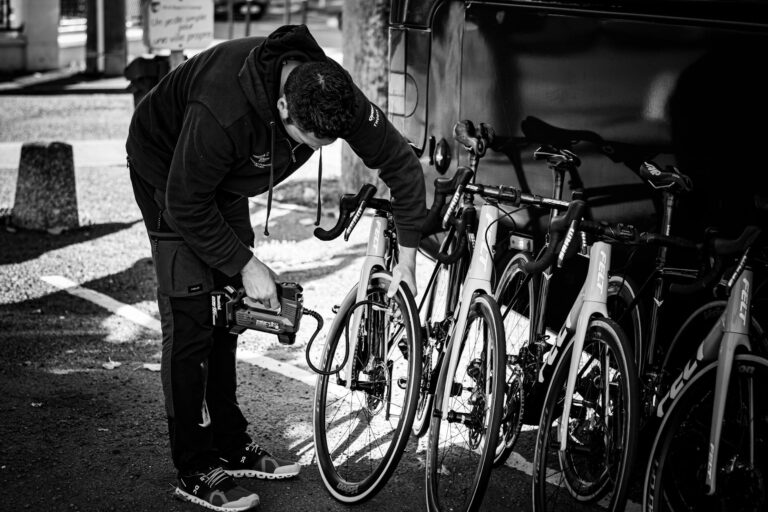
Checking bike lights and reflectors before early season rides requires inspecting battery charge levels, lens clarity, mounting bracket integrity, and reflector positioning after months of winter storage. Start by removing all lights from your bike, cleaning the lenses with a soft cloth, and running each unit through a full charge cycle to recondition the batteries. A rider in Portland discovered last March that his rear light, which appeared functional during a quick garage test, died completely after just fifteen minutes on the road because the rechargeable battery had degraded over winter from being stored fully discharged. Beyond basic functionality checks, early season preparation demands attention to details that are easy to overlook.
Reflectors can crack or yellow during cold storage, reducing their effectiveness by as much as forty percent. Mounting brackets become brittle and may snap on the first pothole of spring. This article covers the complete inspection process, from testing light output against manufacturer specifications to ensuring your reflectors meet legal requirements for your jurisdiction. The following sections address specific inspection techniques, battery maintenance protocols, reflector standards, and common failure points that cyclists encounter when returning to the road after winter.
Table of Contents
- Why Do Bike Lights Fail After Winter Storage?
- Testing Light Output and Battery Capacity
- Reflector Standards and Legal Requirements
- Inspecting Mounting Brackets and Hardware
- Common Failure Points and Warning Signs
- Cleaning and Lens Maintenance
- How to Prepare
- How to Apply This
- Expert Tips
- Conclusion
- Frequently Asked Questions
Why Do Bike Lights Fail After Winter Storage?
bike lights fail after winter storage primarily due to battery degradation, moisture infiltration, and seal deterioration. Lithium-ion batteries, which power most modern cycling lights, suffer permanent capacity loss when stored at full charge or complete discharge for extended periods. The ideal storage charge for lithium-ion cells sits between forty and sixty percent, yet most cyclists either forget to charge their lights before storage or leave them topped off, both scenarios that accelerate chemical breakdown within the cells. Moisture presents another significant threat during the off-season. Even in climate-controlled garages, temperature fluctuations cause condensation inside light housings.
A light stored in a cold garage that warms up during an occasional sunny day will draw humid air through any gaps in its seals. Over multiple cycles, this moisture accumulates on circuit boards and contacts. One Seattle commuter reported that his high-end German headlight flickered erratically throughout April before he discovered corroded battery contacts hidden beneath the rechargeable pack. Rubber and silicone seals also degrade during storage, particularly when exposed to petroleum-based lubricants or certain cleaning solvents. Manufacturers recommend inspecting O-rings annually and applying silicone grease to maintain flexibility. However, if your lights are more than three years old, consider replacing seals even if they appear intact, as material fatigue often remains invisible until the first heavy rain.
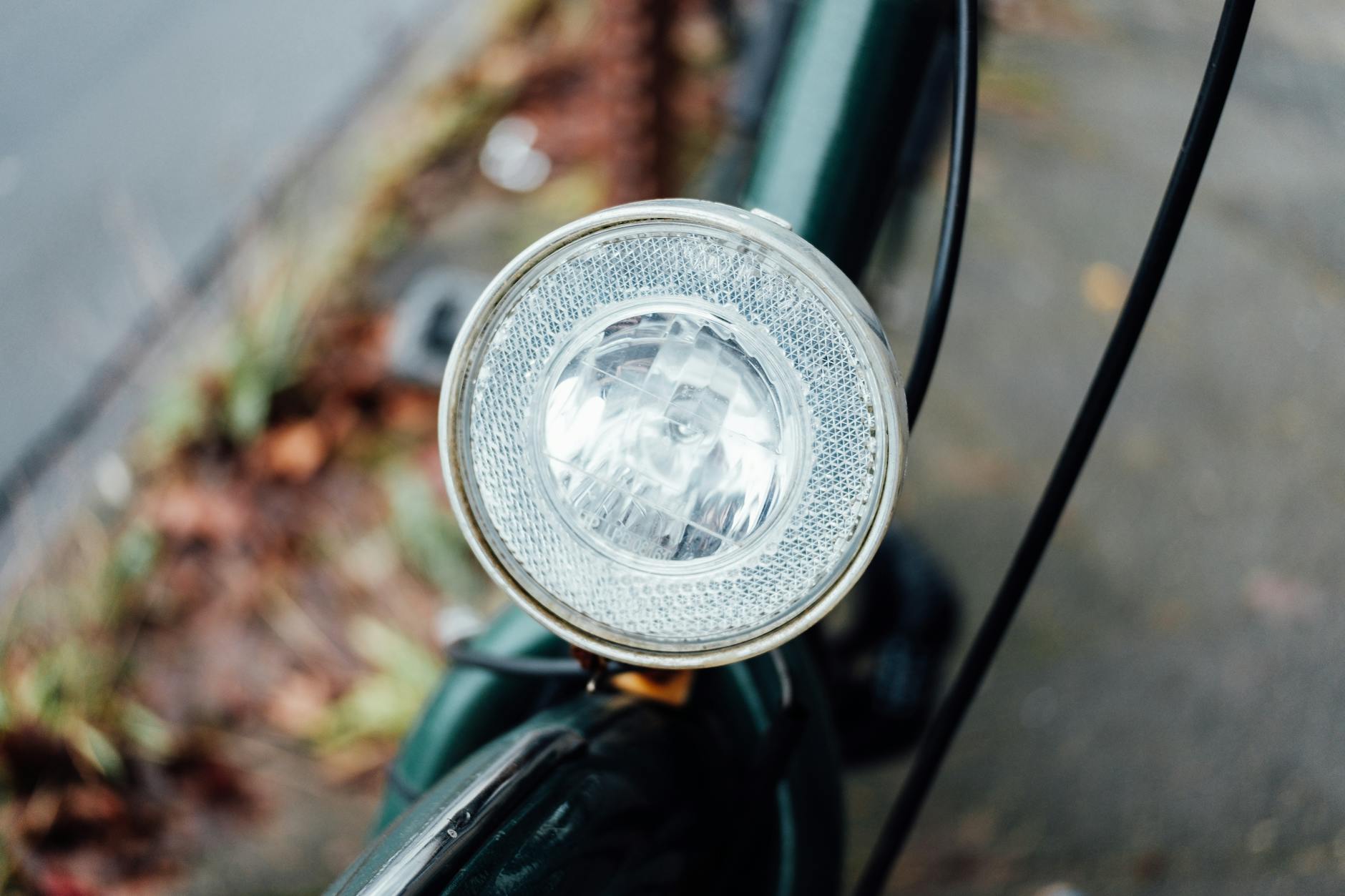
Testing Light Output and Battery Capacity
Measuring actual light output requires more than simply switching units on and observing brightness. Most quality bike lights provide multiple output modes, and each mode should be tested for consistent performance. Begin by fully charging your lights, then run them in the highest mode while timing how long they maintain stated output. Manufacturers typically rate runtime to the point where output drops to fifty percent of initial brightness, so a light rated for two hours might only deliver full power for ninety minutes. A practical comparison test involves placing your light at a fixed distance from a white wall and photographing the beam pattern with your phone.
Repeat this test at the beginning and end of the season to document any degradation. However, if your light uses a focusing mechanism or adjustable beam, results may vary based on focus position, so standardize your setup carefully. Battery capacity testers designed for USB devices cost around twenty dollars and provide precise milliamp-hour measurements that reveal exactly how much your battery has degraded. Keep in mind that cold temperatures during early season rides reduce battery performance significantly. A light that runs for two hours at seventy degrees may last only ninety minutes at forty degrees. Plan your early season routes with charging opportunities or carry backup lights until you confirm how your equipment performs in actual spring conditions.
Reflector Standards and Legal Requirements
Reflector requirements vary dramatically between jurisdictions, and many cyclists unknowingly ride with inadequate or non-compliant equipment. In the United States, the Consumer Product Safety Commission mandates specific reflector placements for new bikes sold, including front, rear, pedal, and wheel reflectors. However, many states have separate requirements for bikes ridden on public roads, and these regulations often differ from federal sales requirements. The United Kingdom requires a rear red reflector and amber pedal reflectors for riding between sunset and sunrise. Germany mandates front and rear reflectors, pedal reflectors, and spoke-mounted reflectors or reflective tire sidewalls.
A British cyclist touring through Germany discovered mid-trip that his high-end carbon wheels with no reflector provisions technically violated local law, resulting in a police warning and the need to purchase clip-on spoke reflectors at the next town. Reflector effectiveness depends heavily on condition and positioning. Federal standards require rear reflectors to be visible from six hundred feet when illuminated by low-beam headlights. Scratched, faded, or misaligned reflectors may not meet this standard. Test your reflectors at night by having someone illuminate them with car headlights while you observe from a distance. If they appear dim or unevenly lit, replacement costs only a few dollars and dramatically improves your visibility to motorists.

Inspecting Mounting Brackets and Hardware
Mounting hardware endures significant stress during normal riding and may weaken or crack during winter storage as plastic components become brittle in cold temperatures. Begin your inspection by removing each light from its bracket and examining the bracket for hairline cracks, particularly around pivot points and locking mechanisms. Flex plastic components gently to check for unusual softness or brittleness, both signs of UV or temperature damage. Quick-release mounts deserve special attention because their convenience often masks underlying wear. The spring tension in these mechanisms decreases over time, and a mount that held securely last season may now allow dangerous rotation or even complete detachment on rough roads.
Compare the retention force to a new mount if possible, or test by applying firm rotational pressure while observing any movement. Handlebar-mounted lights on rough gravel roads frequently loosen, and one Colorado cyclist lost an expensive light when his bracket failed completely on a cattle guard crossing. The tradeoff between integrated mounts and universal brackets affects durability significantly. Integrated mounts designed specifically for particular light models typically offer superior security but cannot accommodate replacements if the bracket breaks. Universal brackets with rubber straps or adjustable clamps work with multiple lights but may slip more readily. For early season rides on unpredictable road surfaces, carrying a small roll of electrical tape provides emergency mount reinforcement if a bracket begins failing mid-ride.
Common Failure Points and Warning Signs
Early season failures typically announce themselves through subtle warning signs that cyclists often dismiss or overlook. Flickering during ride vibrations indicates loose battery connections or degraded internal wiring. Reduced brightness in one LED segment of a multi-LED array suggests individual emitter failure, which may soon spread to other elements. Changes in switch feel, whether mushier or stiffer than normal, point to moisture intrusion or corrosion in the switch mechanism. Battery swelling represents the most dangerous failure mode and requires immediate attention. Remove rechargeable batteries or integrated battery packs and inspect them on a flat surface.
Any bulging, warping, or difficulty reinstalling previously well-fitting batteries indicates cell damage that creates fire risk. Never continue using swollen batteries, and dispose of them at appropriate battery recycling facilities rather than household trash. A limitation worth noting applies to firmware-based lights with programmable modes. Some manufacturers release firmware updates that affect battery management algorithms, and lights stored through a firmware update cycle may behave unexpectedly. Check manufacturer websites for any recalls or required updates before your first ride. One popular commuter light brand issued a firmware patch in late winter that addressed premature battery shutoff, and riders who updated before spring avoided significant frustration.

Cleaning and Lens Maintenance
Clear lenses directly impact light output, and winter storage often leaves residue that significantly reduces brightness. Clean plastic lenses with mild soap and water, avoiding ammonia-based glass cleaners that can cloud certain plastics over time. For glass lenses, standard glass cleaner works fine, but inspect carefully for chips or cracks that may admit moisture. A cracked lens discovered during maintenance costs far less to address than a water-damaged light discovered during a rainstorm.
Reflector maintenance requires different techniques than light cleaning. Avoid abrasive cleaners or rough cloths that scratch reflective surfaces and reduce effectiveness. The prismatic structure of reflectors works through precise angles that scatter light back toward its source, and surface scratches disrupt this geometry. One maintenance study found that moderately scratched reflectors returned only sixty percent as much light as new units, rendering them potentially inadequate for legal compliance.
How to Prepare
- **Remove all lights from the bike and gather them with their chargers in a well-lit workspace.** Clean each unit exterior with a damp cloth to remove storage dust before opening any battery compartments.
- **Inspect batteries and battery compartments for corrosion, swelling, or residue.** Remove any corrosion from contacts using a cotton swab dipped in white vinegar, then dry thoroughly before reinstalling batteries.
- **Charge all lights completely using original chargers, as third-party chargers may not calibrate properly with your specific battery chemistry.** Allow rechargeable lights to complete full charge cycles even if indicators show full charge quickly.
- **Test each light mode systematically, timing high-power duration against manufacturer specifications.** Document any modes that flicker, cut out, or appear dimmer than expected.
- **Examine all mounting hardware by removing brackets from the bike and flexing them gently.** Replace any brackets showing cracks, excessive wear, or reduced grip strength.
How to Apply This
- **Conduct a final pre-ride function test by cycling through all modes on each light while mounted on the bike.** Vibration from riding can cause issues that bench testing misses, so verify function with lights installed.
- **Verify reflector alignment by checking that each reflector faces its intended direction without obstruction from bags, bottles, or clothing.** Rear reflectors should point directly backward, not angled toward the ground.
- **Confirm mounting security by attempting to rotate each light and reflector firmly while installed.** Any movement requires tightening or bracket replacement before riding.
- **Establish backup protocols by confirming phone flashlight accessibility or packing small emergency lights for rides that may extend past sunset unexpectedly.** Early season daylight can deceive riders accustomed to summer hours.
Expert Tips
- Store lights at forty to sixty percent charge rather than fully charged or completely depleted, which extends lithium-ion battery lifespan by years.
- Do not assume waterproof ratings remain valid after winter storage, as seals degrade and previous water exposure may have compromised electronics that have not yet failed.
- Replace mounting straps and rubber components annually regardless of appearance, since UV damage and temperature cycling weaken these materials invisibly.
- Test lights in the cold before relying on them for actual cold-weather rides, because battery performance drops substantially below forty degrees Fahrenheit.
- Carry a small USB battery pack on early season rides to provide emergency charging capability when winter-degraded batteries fail unexpectedly.
Conclusion
Early season light and reflector inspection requires systematic attention to battery condition, mounting hardware, lens clarity, and reflector positioning. The effort invested before your first spring ride prevents frustrating failures on dark roads and ensures legal compliance across varying jurisdictions. Battery reconditioning, seal inspection, and bracket testing address the most common failure points that develop during winter storage.
Moving forward, establish a brief pre-ride lighting check as part of your standard routine and schedule more thorough inspections at season transitions. Consider keeping a maintenance log that tracks battery runtime degradation year over year, which helps predict replacement timing before failures occur mid-ride. Quality lighting equipment represents a significant investment in cycling safety, and proper maintenance protects both the investment and the rider who depends on it.
Frequently Asked Questions
How long does it typically take to see results?
Results vary depending on individual circumstances, but most people begin to see meaningful progress within 4-8 weeks of consistent effort. Patience and persistence are key factors in achieving lasting outcomes.
Is this approach suitable for beginners?
Yes, this approach works well for beginners when implemented gradually. Starting with the fundamentals and building up over time leads to better long-term results than trying to do everything at once.
What are the most common mistakes to avoid?
The most common mistakes include rushing the process, skipping foundational steps, and failing to track progress. Taking a methodical approach and learning from both successes and setbacks leads to better outcomes.
How can I measure my progress effectively?
Set specific, measurable goals at the outset and track relevant metrics regularly. Keep a journal or log to document your journey, and periodically review your progress against your initial objectives.
When should I seek professional help?
Consider consulting a professional if you encounter persistent challenges, need specialized expertise, or want to accelerate your progress. Professional guidance can provide valuable insights and help you avoid costly mistakes.
What resources do you recommend for further learning?
Look for reputable sources in the field, including industry publications, expert blogs, and educational courses. Joining communities of practitioners can also provide valuable peer support and knowledge sharing.