Cycling FTP Training Guide: How Cyclists Can Start and Progress Safely

Build useful FTP zones, balance intervals with easy riding, and recognize when recovery calls for a lighter training load.
Build useful FTP zones, balance intervals with easy riding, and recognize when recovery calls for a lighter training load.

A periodized 12-month plan builds aerobic capacity first, adds intensity later, and tapers before competition—producing 5–15% fitness gains and injury resistance through structure.

A year of cycling training works best when divided into four phases that build progressively from endurance to peak performance, each with distinct intensity and volume targets.

Structure your cycling year like a pro—break it into training phases, peak for your goal events, and watch your fitness transform.
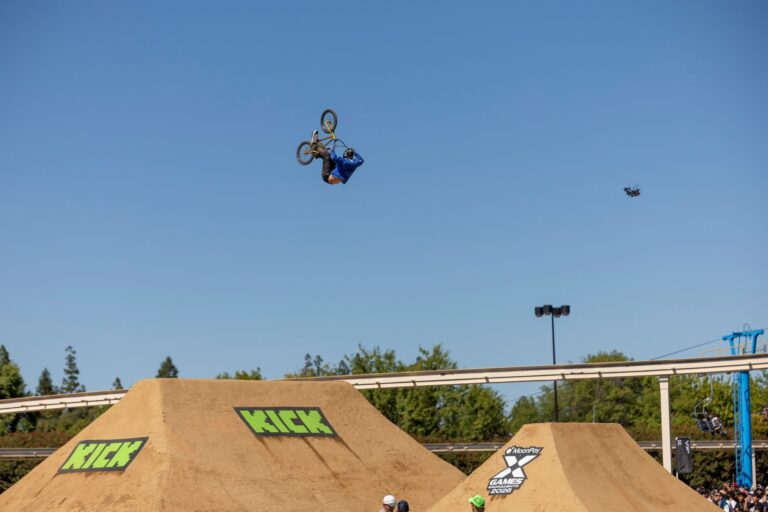
Indoor training requires a stationary bike that responds immediately to effort changes and holds position under hard intervals.

Veteran cyclists can build competitive gravel racing skills through specialized outdoor training camps designed for the discipline's unique demands.
Cadence sensor training can improve pedaling efficiency by 10–15% over six months through consistent neuromuscular adaptation, particularly for cyclists starting with inefficient pedaling patterns.
Hill training builds climbing strength and speed, but the "20% in 8 weeks" claim doesn't account for how individual physiology actually responds to training.
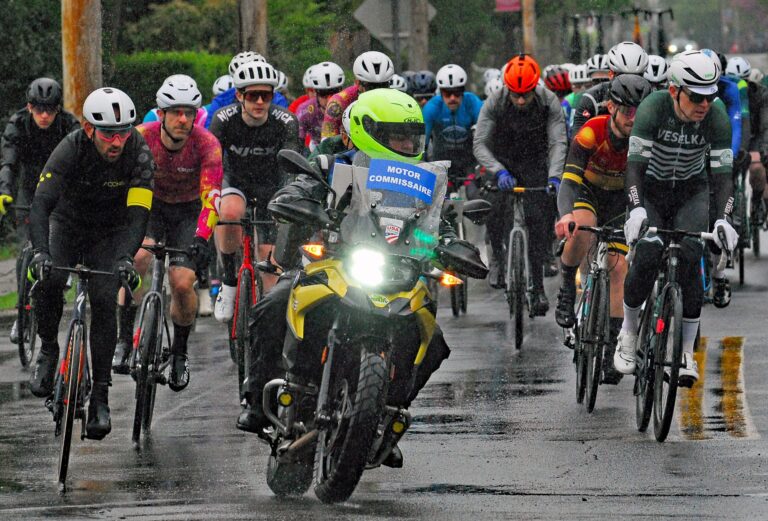
Most cyclists unknowingly train at the wrong intensity due to inaccurate maximum heart rate estimates and flawed zone calculations.
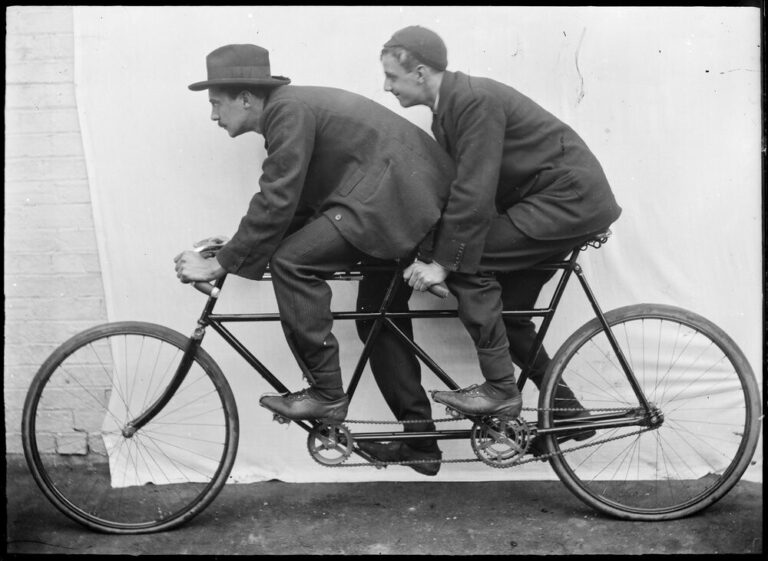
Most cyclists avoid rain jackets not because of price, but because fit and breathability tradeoffs feel uncertain.