Plan Your Annual Cycling Training Year Like Professional Athletes

Structure your cycling year like a pro—break it into training phases, peak for your goal events, and watch your fitness transform.
Structure your cycling year like a pro—break it into training phases, peak for your goal events, and watch your fitness transform.
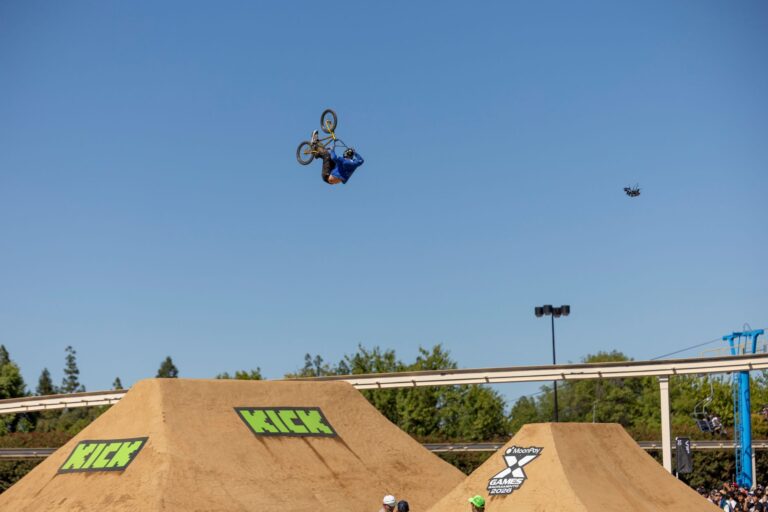
Indoor training requires a stationary bike that responds immediately to effort changes and holds position under hard intervals.
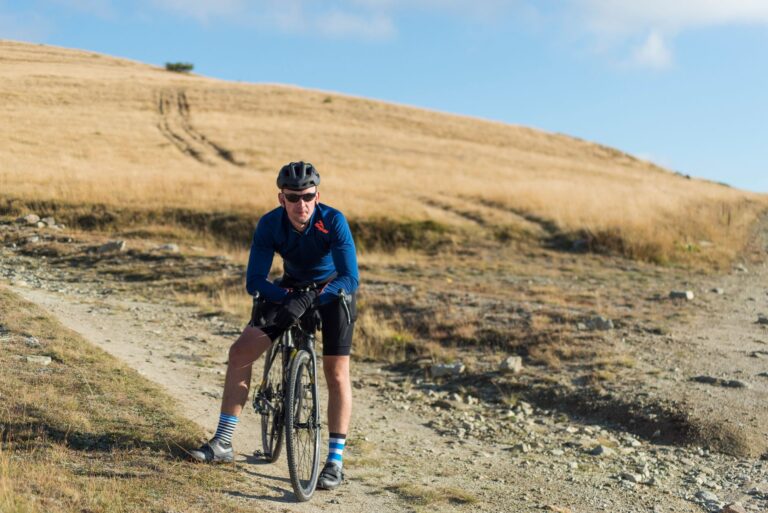
Veteran cyclists can build competitive gravel racing skills through specialized outdoor training camps designed for the discipline's unique demands.
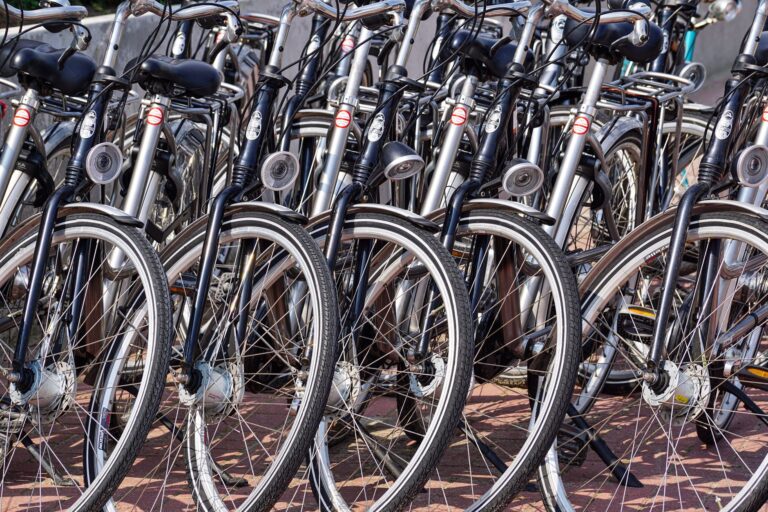
Cadence sensor training can improve pedaling efficiency by 10–15% over six months through consistent neuromuscular adaptation, particularly for cyclists starting with inefficient pedaling patterns.
Hill training builds climbing strength and speed, but the "20% in 8 weeks" claim doesn't account for how individual physiology actually responds to training.
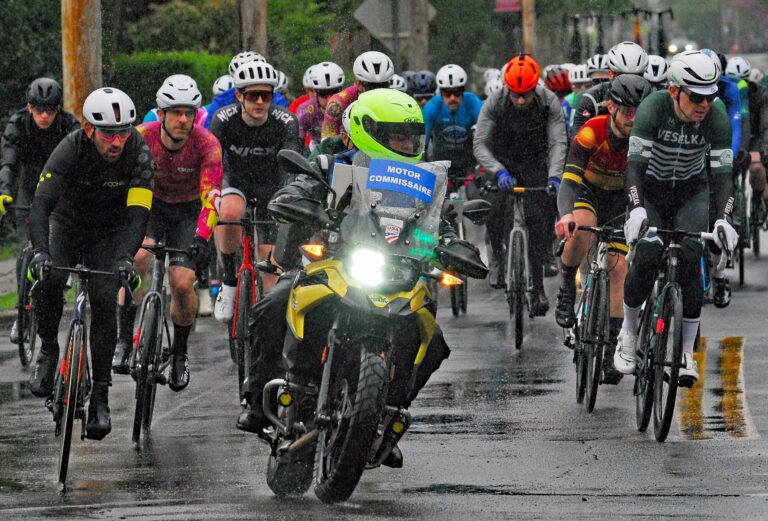
Most cyclists unknowingly train at the wrong intensity due to inaccurate maximum heart rate estimates and flawed zone calculations.
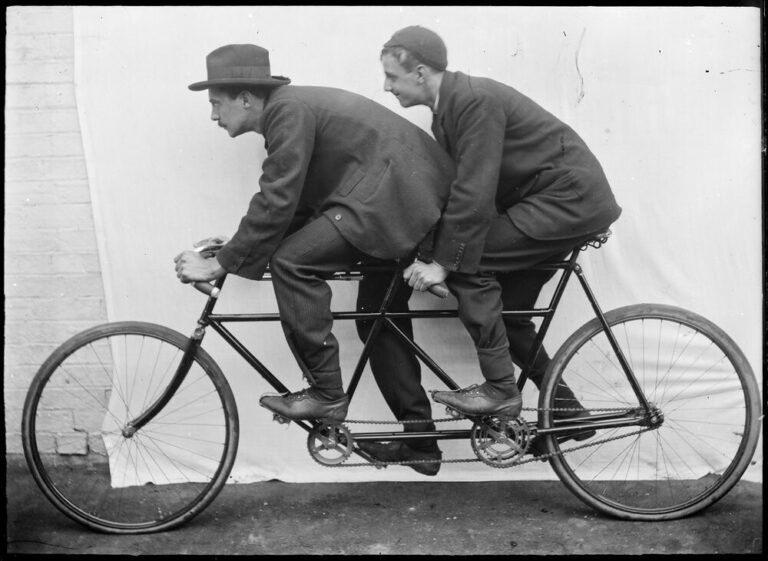
Most cyclists avoid rain jackets not because of price, but because fit and breathability tradeoffs feel uncertain.
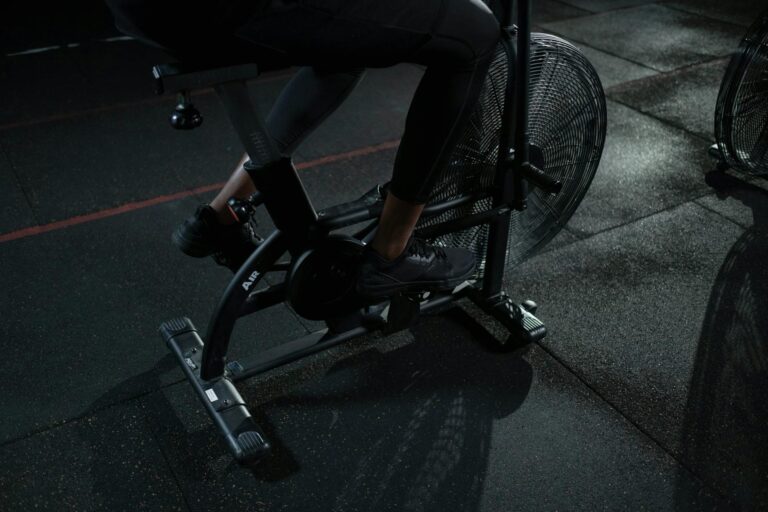
Yes, interval training on a bike does burn a higher percentage of fat during the workout—about 33% more fat oxidation compared to steady-state cycling.

Countless cyclists discover that age is no barrier to embarking on ambitious long-distance tours.
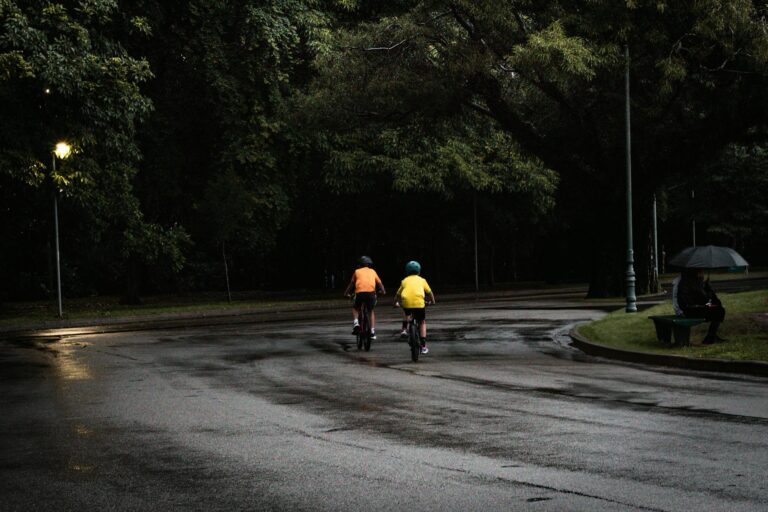
The viral claim that cycling in rain increases your flat tire risk by 300%—or alternatively, 150%—sounds alarming enough to keep many riders off the road.