Can a Gravel Bike Be Your Only Bike?
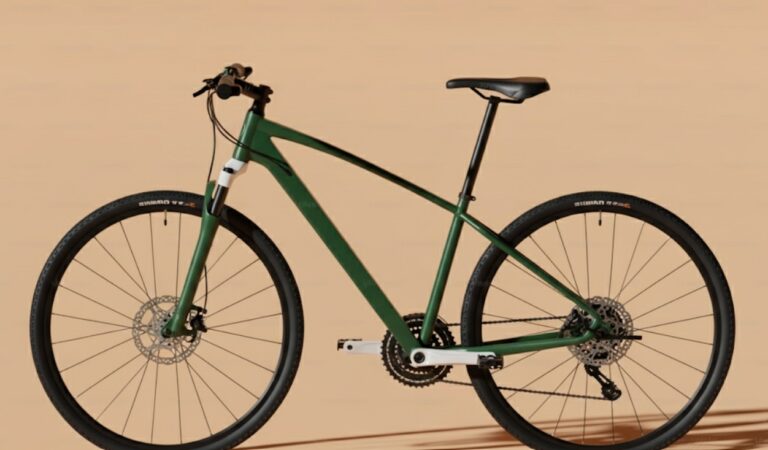
Gravel bikes have exploded in popularity because they handle a mix of roads, dirt paths, and light trails better than most other bikes. These machines come with wider tires, usually from 30mm to 48mm, that soak up bumps and provide grip on loose surfaces.[4] Their frames offer more clearance for mud and debris, and the geometry keeps you stable whether you are cruising pavement or dodging rocks.[1][4]
Think about daily commuting. A gravel bike shines here if your route includes potholes, bike paths, or shortcuts over grass. The thicker tires make rough spots feel smoother than on a skinny-tired road bike, which can jar your hands and back.[3] You might pedal a bit harder to hit top speeds on flat roads because of the extra tire drag, but the comfort wins out for most rides to work or school.[3]
On smooth tarmac or group rides, swap to slick 35mm tires, and it acts like a speedy road bike. Modern gravel bikes with this setup feel direct and efficient, almost like an aero road machine, while still ready for gravel detours.[1] They hold their own on country roads and even light singletrack, where a pure road bike would struggle.[1][2]
Take longer adventures or bikepacking. Gravel bikes pack racks easily and tackle fire roads, climbs, and non-technical trails with ease. Their lighter weight and stiff build give quick accelerations on open sections, beating heavier mountain bikes in speed.[2] Models like the Rondo Ruut CF1 offer adjustable setups for extra versatility and comfort over bumpy miles.[4]
Of course, no bike does everything perfectly. Deep mud or rocky descents call for a full mountain bike, as gravel tires can squirm and frames lack the extreme durability.[2] Racing pure cyclocross might feel off with chunkier gravel tires, though modern ones close the gap.[5] Still, for 90 percent of riders who mix pavement, gravel, and paths, one gravel bike covers it all without constant swaps.
Tire choice matters most. Run fast-rolling slicks for roads, knobby ones for dirt. Wide rims let you drop pressures for better control without pinch flats.[2][4] Brands keep pushing limits, with 2025 and 2026 models blending speed, comfort, and toughness into everyday winners.[6][8]
Sources
https://granfondo-cycling.com/is-allroad-dead/
https://www.elite-wheels.com/cycling-topics/gravel-vs-mtb-one-gravel-bike-in-an-mtb-race/
https://www.youtube.com/watch?v=CpO4UlkL9rg
https://www.bikeradar.com/advice/buyers-guides/best-gravel-bikes
https://www.youtube.com/watch?v=FGWkhyoCFwM
https://velo.outsideonline.com/gravel/gravel-gear/best-gravel-bikes-nominees-2025/
https://www.youtube.com/watch?v=MhuUwjhAw9Q