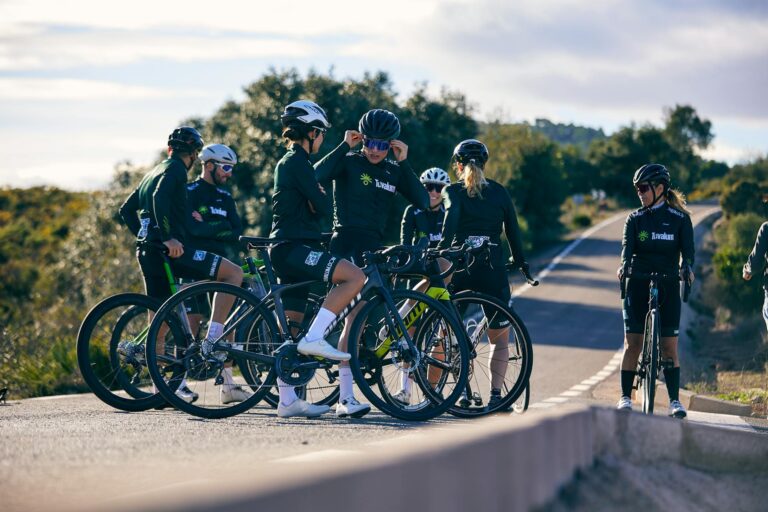
Are you tired of sitting in traffic, spending money on gas, and being cooped up in a stuffy car? Biking is a great alternative for getting around, being active, and saving money. But before you hop on your bike and hit the road, there are some important rules of the road that every cyclist should know to ensure a safe and enjoyable ride.
1. Wear a helmet
This may seem like an obvious rule, but it’s one that is often ignored. Wearing a helmet can save your life in the event of an accident. Make sure your helmet fits properly and is secure before heading out on your bike.
2. Follow traffic laws
Just like drivers, cyclists are also required to follow traffic laws. This means stopping at stop signs and red lights, signaling when turning or changing lanes, and riding in the designated direction of traffic. Not only is it the law, but it also helps keep you and other drivers safe.
3. Ride defensively
As a cyclist, you are more vulnerable on the road compared to cars. It’s important to stay alert and aware of your surroundings at all times. Be on the lookout for cars pulling out of driveways or making turns, and be prepared to brake or swerve if necessary.
4. Use hand signals
Hand signals are essential for communicating with other drivers on the road. Make sure to use proper hand signals when turning or changing lanes to let drivers know your intentions. This will help prevent accidents and confusion on the road.
5. Stay visible
Make sure you are easily visible to other drivers by wearing bright, reflective clothing and having proper lights on your bike. This is especially important when biking at night or in low light conditions.
6. Don’t ride distracted
Just like driving, biking while distracted can be extremely dangerous. Avoid using your phone or listening to music while riding, as it can impair your ability to hear and see potential hazards on the road.
7. Ride in designated bike lanes or paths
Many cities have designated bike lanes or paths for cyclists to use. These offer a safer and more efficient route for biking, as you won’t have to worry about sharing the road with cars. Make sure to use these lanes when available.
8. Be prepared for emergencies
Always carry a basic repair kit with you, including a spare tube, tire levers, and a small pump. You never know when you may need to fix a flat tire or make other minor repairs.
9. Avoid riding in bad weather
While some dedicated cyclists may be willing to brave the elements, it’s generally safest to avoid riding in inclement weather. Slippery roads, decreased visibility, and poor traction can all lead to accidents.
10. Stay alert at intersections
Intersections can be one of the most dangerous areas for cyclists. Make sure to approach intersections with caution, yield to other vehicles, and make eye contact with drivers before proceeding.
11. Be courteous to pedestrians
Pedestrians also share the road with cyclists, so make sure to be respectful and give them the right of way. Slow down when passing pedestrians and always alert them by ringing your bell or calling out before passing.
12. Get familiar with your bike
Before heading out on a long ride, make sure you are familiar with your bike and how it handles. Practice making turns, braking, and shifting gears to ensure a smooth ride.
13. Take breaks when needed
Biking can be a great workout, but it’s important to listen to your body and take breaks when needed. This will prevent exhaustion or muscle strain and help you enjoy your ride even more.
14. Stay hydrated
Don’t forget to bring a water bottle with you on longer rides to stay hydrated. Dehydration can lead to dizziness and fatigue, making it difficult to ride safely.
15. Use common sense
Last but not least, always use common sense when biking. Don’t take unnecessary risks, follow your instincts, and always prioritize your safety above anything else.
By following these rules of the road, you can enjoy a safe and enjoyable biking experience. So next time you hop on your bike, remember to wear your helmet, follow traffic laws, and stay alert. Happy riding!