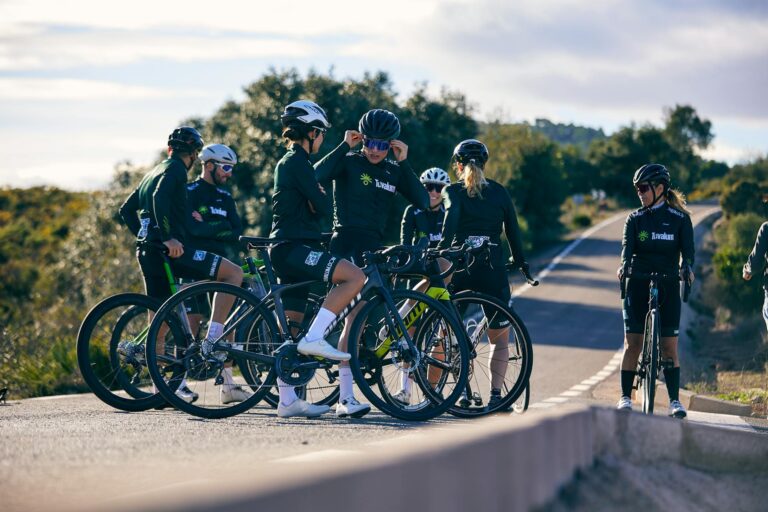
The key to successful winter bike commuting comes down to three fundamentals: proper layering that keeps you warm without overheating, tires suited to cold temperatures, and visibility equipment that accounts for reduced daylight hours. Start your ride feeling slightly cool rather than warm””you will heat up within 10 to 15 minutes of pedaling, and overdressing leads to sweat accumulation that chills you later. This principle, emphasized by outdoor gear experts at REI, forms the foundation of cold weather riding comfort. Consider a commuter in Minneapolis who switches from summer slicks to winter tires when temperatures drop below 40 degrees Fahrenheit.
The change is not about snow preparation alone””summer tire rubber compounds actually harden in cold weather, reducing grip even on dry pavement. That same rider layers a moisture-wicking base, an insulating mid-layer of merino wool, and a windproof but breathable outer shell. The combination keeps them comfortable on a 25-minute commute that would be miserable in a single heavy jacket soaked with sweat. This article covers the complete picture of winter cycling: tire selection for various conditions, the layering system that works, lighting requirements for dark commutes, hand and foot protection strategies, bike maintenance to combat salt and moisture, and special considerations for e-bike riders. Whether you face occasional cold snaps or months of ice and snow, these evidence-based approaches will keep you rolling through winter.
Table of Contents
- What Tires Should You Use for Winter Bike Commuting?
- The Three-Layer System for Cold Weather Cycling Comfort
- Visibility and Lighting Requirements for Winter Commutes
- Protecting Hands and Feet in Freezing Temperatures
- Bike Maintenance to Combat Winter Road Conditions
- E-Bike Considerations for Winter Commuting
- Year-Round Cycling Culture and Infrastructure Support
- Conclusion
What Tires Should You Use for Winter Bike Commuting?
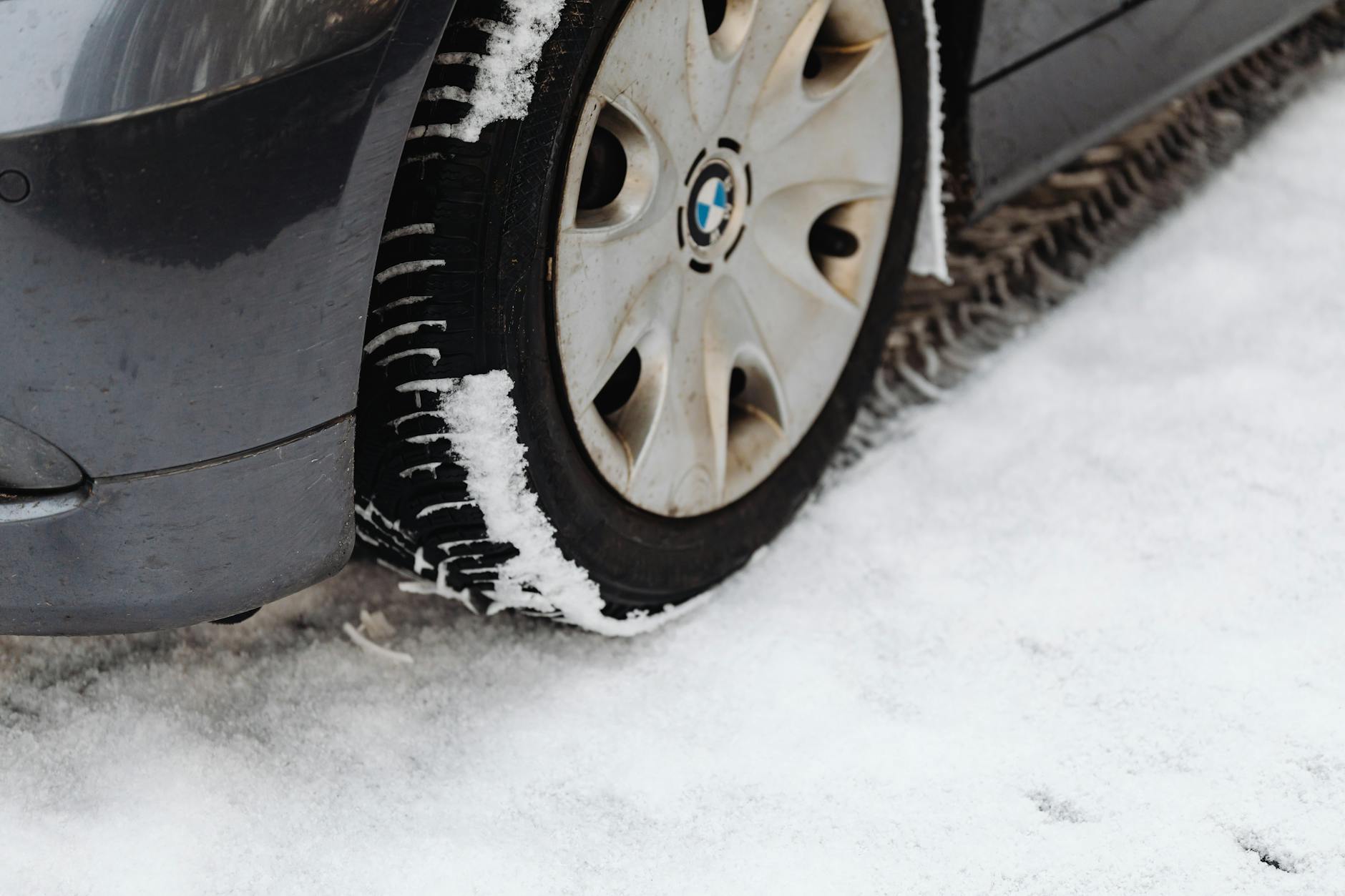
Winter tire selection depends primarily on the conditions you regularly encounter. Below 40 degrees Fahrenheit (4 degrees Celsius), standard summer tires lose significant grip as their rubber compounds stiffen””this threshold marks when switching to winter-specific tires becomes worthwhile. For mixed conditions involving cold pavement, occasional wet roads, and light snow, non-studded winter tires with softer rubber compounds and aggressive tread patterns provide the best balance of grip and rolling efficiency. Studded tires become necessary when ice is a regular feature of your commute. These tires use metal carbide studs embedded in the tread to bite into ice, providing traction that no rubber compound can match on frozen surfaces.
However, they come with tradeoffs: increased rolling resistance, more road noise, and the need for a break-in period. Schwalbe recommends riding studded tires for 40 kilometers on dry asphalt before encountering ice, allowing the studs to seat properly in the rubber. Well-maintained studded tires can last approximately four seasons, making them a reasonable investment for riders in consistently icy climates. The limitation worth understanding: studded tires excel on ice but offer no advantage on snow alone, and their metal studs can feel slippery on wet pavement or dry concrete. Riders in cities with aggressive snow clearing but infrequent ice might find non-studded winter tires the better choice, while those facing freeze-thaw cycles that create black ice benefit most from studs. Toronto, for example, triggers cycling infrastructure clearing when approximately 2 centimeters of snow accumulates, completing each clearing round in about 8 hours””commuters there might prioritize ice capability over deep snow traction.
The Three-Layer System for Cold Weather Cycling Comfort
The layering approach for winter cycling differs from general outdoor layering because of the sustained aerobic effort involved. Your base layer must be breathable and moisture-wicking””never cotton, which absorbs sweat and holds it against your skin where it rapidly chills you. Synthetic materials or merino wool move moisture away from your body, keeping you drier even during hard efforts. This layer should fit snugly without restricting movement. The mid-layer provides insulation while allowing some ventilation. Lightweight fleece or merino wool works well here, trapping warm air without becoming a sealed oven.
Many winter cycling jerseys incorporate mesh panels or venting zippers for this reason. The outer layer serves as your shield against wind and precipitation””but the key insight is to choose windproof and water-resistant materials rather than fully waterproof ones. A completely sealed outer layer traps sweat vapor, eventually soaking your inner layers from the inside out. Softshell cycling jackets balance protection with breathability better than hardshell rain gear for active riding. However, if your commute involves significant time standing still””waiting at long traffic lights, taking transit for part of the journey, or stopping for errands””you may need to adjust toward warmer layering despite the overheating risk while riding. Some commuters carry a packable insulated vest to add during stops. The 80 percent of cyclists who prioritize weather resistance features when purchasing cycling apparel, according to industry statistics from Gitnux, understand that conditions vary and versatility matters.
Visibility and Lighting Requirements for Winter Commutes
Shorter daylight hours mean most winter commuters ride in darkness for at least one direction of their trip, and often both. Front lights for winter commuting should provide a minimum of 500 lumens””significantly brighter than the lights adequate for summer evening rides. This output level illuminates road hazards like potholes, ice patches, and debris that become harder to see and more dangerous in winter conditions. The Cascade Bicycle Club specifically recommends this threshold for winter commuting safety. Rear visibility requires a different approach than front lighting. A fast strobe mode catches drivers’ attention more effectively than steady lights, particularly important when weather reduces overall visibility.
Position your rear light where it will not be obscured by bags, fenders, or clothing. Reflective elements on your jacket, shoes, and bike also contribute to visibility, but they only work when headlights hit them””active lighting remains essential. Beyond dedicated bike lights, consider helmet-mounted lighting as a supplement. A front light on your helmet follows your gaze, illuminating wherever you look rather than just straight ahead. This proves valuable when checking side streets and scanning for hazards. Rear helmet lights add a second point of visibility at a different height than your seatpost light, creating a more noticeable profile to drivers. The combination of bike-mounted and helmet-mounted lights provides redundancy if one light fails and improves your visibility from multiple angles.

Protecting Hands and Feet in Freezing Temperatures
Extremities suffer most in cold weather cycling because they are far from your core and exposed to wind. For hands, the Cascade Bicycle Club recommends lobster gloves””a split design with two fingers per side rather than the standard glove configuration of individual fingers or the mitten approach of all fingers together. This design groups fingers for warmth while maintaining the dexterity needed for shifting and braking. Standard mittens provide more warmth but make brake lever operation awkward; thin gloves maintain dexterity but leave fingers freezing in temperatures below 40 degrees. Foot warmth presents a different challenge because cycling shoes typically prioritize ventilation and power transfer over insulation. The contact between your foot and the pedal creates a direct path for cold transfer””metal clipless pedals conduct cold particularly efficiently.
Switching to plastic flat pedals during winter reduces this thermal bridging significantly. Flat pedals also work better with insulated winter boots that would not fit cycling cleats. The tradeoff with winter footwear involves pedaling efficiency versus warmth and walkability. Dedicated winter cycling boots exist but represent a significant investment for seasonal use. Many commuters find that insulated hiking boots or winter boots with reasonably stiff soles work adequately on flat pedals, with the added benefit of better traction and warmth when walking at either end of the commute. Neoprene shoe covers over regular cycling shoes offer a middle ground, adding wind and moisture protection while maintaining clipless compatibility.
Bike Maintenance to Combat Winter Road Conditions
Road salt, moisture, and grit create a hostile environment for bicycle components. Salt accelerates corrosion on metal parts””chains, cables, bolts, and frames all suffer when salt spray accumulates. Regular cleaning after winter rides extends bike longevity significantly. A quick wipe-down of the drivetrain and frame takes only minutes but prevents the buildup that causes lasting damage. Some commuters dedicate an older bike to winter duty specifically to protect their primary bike from seasonal wear. Chain lubrication requires adjustment for winter conditions. Winter-specific chain lubricants are formulated to withstand low temperatures and repel moisture better than standard lubricants.
These heavier formulations attract more dirt but maintain lubrication where lighter oils would wash away or thicken in cold. Apply winter lubricant more frequently than you would in dry conditions””weekly or after particularly wet or salty rides. Brake performance also changes in winter. Rim brakes lose effectiveness when wet and can ice up in freezing conditions. Disc brakes handle moisture better but still require attention””contamination from road spray can reduce stopping power, and cold temperatures affect brake pad compound performance. Check brake pad wear more frequently in winter, as grit accelerates wear. Allow extra stopping distance regardless of brake type, particularly on the first few stops of a ride when components are cold.
E-Bike Considerations for Winter Commuting
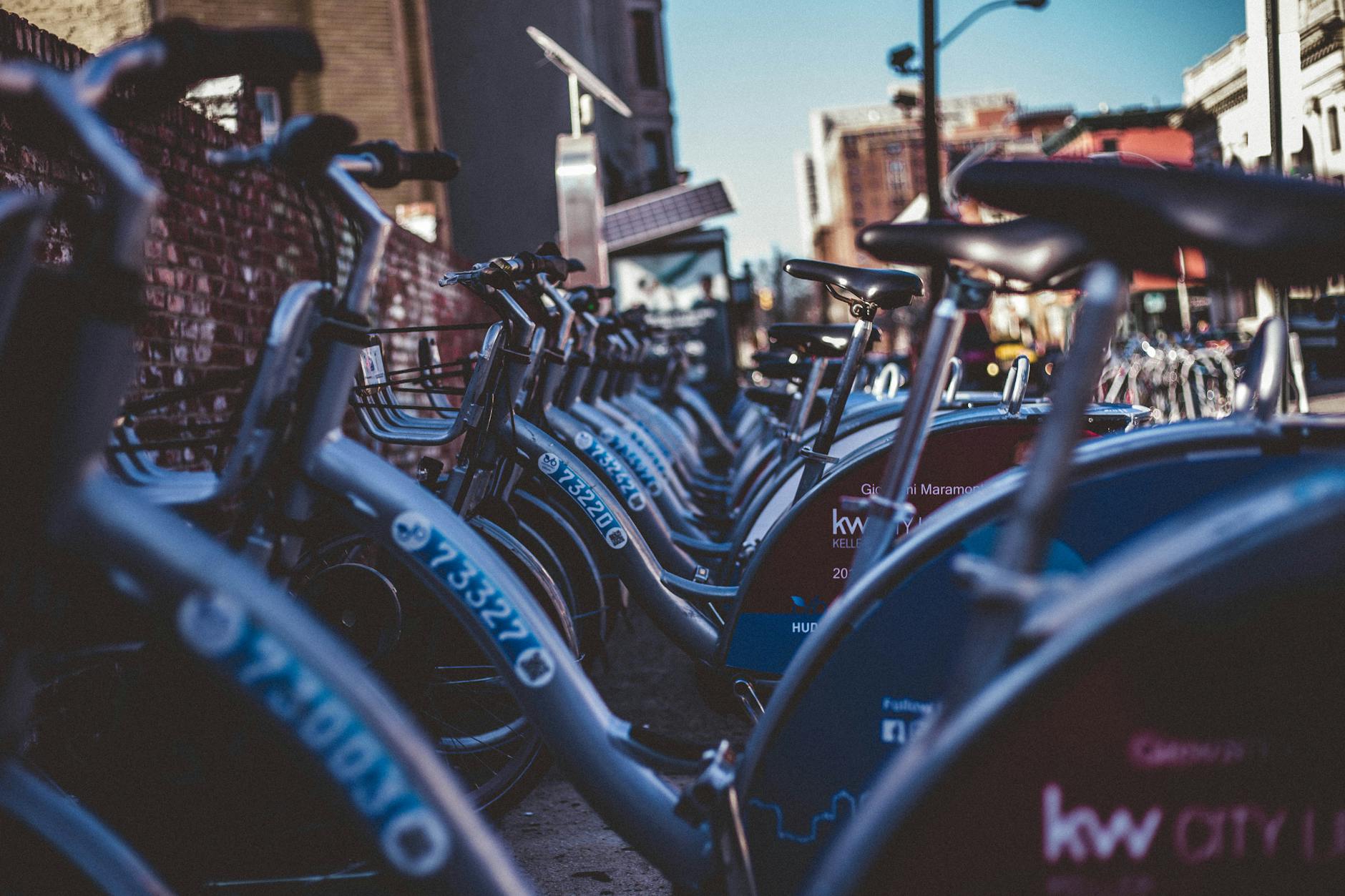
Electric bikes introduce additional factors for winter riding beyond those affecting traditional bicycles. Cold temperatures drain batteries faster””lithium-ion cells lose capacity in cold conditions and discharge more rapidly under load. Storing your battery indoors before riding, rather than leaving it in a cold garage or shed, maintains capacity and extends the battery’s overall lifespan. Some riders remove the battery and bring it inside overnight, reinstalling it just before departure. The increased mass of e-bikes affects stopping distance, which compounds with reduced traction in winter conditions. Where a traditional bike might need 20 percent more stopping distance on wet cold pavement, an e-bike might require 30 percent or more due to the additional weight of the motor and battery.
Some modern e-bike systems now include anti-lock braking systems that prevent wheel lockup, providing a meaningful safety advantage in low-traction conditions. If you are purchasing an e-bike for year-round commuting, ABS capability warrants consideration. Motor assistance can create a false sense of capability in challenging conditions. The power that helps you climb hills easily can also push you into situations where traction is insufficient. In snow or ice, the additional torque available from motor assistance can break rear wheel traction more easily than human power alone. Consider reducing assist levels in slippery conditions and applying power more gradually than you might on dry pavement.
Year-Round Cycling Culture and Infrastructure Support
The dedication of winter cyclists is not as rare as cold-weather drivers might assume. According to Tom Babin, author of Frostbike: The Joy, Pain and Numbness of Winter Cycling, between 30 and 40 percent of cyclists ride year-round. New York City maintains approximately a 4 percent cycling commuter rate even in cold weather among its 8.5 million residents. Bicycle-friendly communities in the United States have seen a 60 percent increase in cycling commuters over the last decade, demonstrating that supportive infrastructure correlates with sustained ridership.
Research confirms the connection between conditions and cycling activity. A 2025 study in Hamburg achieved R-squared values of 0.942 and 0.924 correlating weather parameters””temperature, humidity, precipitation, wind speed, and daylight””to cycling activity levels. This strong correlation means infrastructure decisions matter: cities that clear snow promptly, maintain cycling routes, and provide lighting see less ridership decline in winter. The conditions that discourage winter cycling are not inevitable””they reflect policy choices.
Conclusion
Winter bike commuting requires preparation that summer riding does not, but the fundamentals are straightforward: layer clothing to manage moisture and heat, use tires appropriate for the temperatures and conditions you face, illuminate yourself conspicuously, protect your extremities, and maintain your bike against salt and moisture. None of these adjustments represents extreme measures””millions of cyclists in cold climates demonstrate their effectiveness every winter. Starting cold, dressing in layers, and accepting that some days will challenge you more than others sets realistic expectations.
Your first few winter rides will involve trial and error as you calibrate clothing choices to your metabolism, commute distance, and local conditions. Keep notes on what worked and what did not. By mid-winter, you will have developed a system that gets you to work comfortable and alert, with the satisfaction of having beaten conditions that keep most people in their cars.