The key to comfortable summer bike commuting lies in three fundamentals: timing your rides to avoid peak heat, wearing appropriate moisture-wicking clothing, and drinking water before you feel thirsty. Most heat-related problems that cyclists experience stem from departing unprepared, riding during the hottest hours, or underestimating how much fluid they lose through sweat. A commuter cycling at moderate intensity in 90-degree heat can lose over a liter of sweat per hour, making hydration strategy just as important as route planning. For example, a cyclist who drinks only when thirsty during a 45-minute commute may already be experiencing mild dehydration by the time they arrive at work.
Beyond these basics, successful summer commuting requires attention to details that might seem minor but make significant differences in comfort and safety. The clothing you choose, the way you pace yourself, and how you manage your arrival at work all factor into whether summer cycling becomes sustainable or miserable. This article covers practical hydration strategies, gear selection, route modifications, workplace logistics, and warning signs that indicate you need to adjust your approach. We also address the limitations of various cooling methods and when certain strategies may not apply to your situation.
Table of Contents
- How Do You Stay Cool When Bike Commuting in Extreme Summer Heat?
- Hydration Strategies for Cyclists: How Much Water Do You Actually Need?
- Choosing the Right Gear for Hot Weather Cycling
- Timing and Route Planning to Beat the Heat
- Managing Arrival: What to Do When You Get to Work
- Recognizing Heat-Related Warning Signs While Cycling
- Electrolytes and Nutrition for Summer Cycling
- The Long View: Building Heat Adaptation Over Time
- Conclusion
How Do You Stay Cool When Bike Commuting in Extreme Summer Heat?
Staying cool during hot-weather cycling requires a multi-pronged approach that starts before you leave home. Pre-cooling your core temperature by drinking cold water or placing a cold towel on your neck for several minutes before departure gives your body a thermal buffer. Loose-fitting, light-colored jerseys made from technical fabrics allow airflow and reflect sunlight, while cotton””despite its comfort when dry””becomes a sweat-soaked liability that actually impedes cooling through evaporation. The physics of cycling provide a natural cooling advantage that disappears when you stop. Wind passing over your skin accelerates evaporative cooling, which is why the final blocks of a commute often feel hottest””you’re moving slowly through intersections and stop signs just when your body has reached peak heat production.
Some commuters address this by planning routes with fewer stops, even if slightly longer, to maintain consistent airflow. Others accept the trade-off of a more direct route and compensate by arriving earlier to cool down. Comparing strategies, active cooling methods like soaking your jersey or wearing a wet bandana provide immediate relief but lose effectiveness in humid conditions where evaporation slows. In dry climates with humidity below 40 percent, wet clothing can feel almost air-conditioned. In humid regions, the same technique may leave you feeling clammy without much temperature benefit. Understanding your local climate determines which cooling methods will actually work.
Hydration Strategies for Cyclists: How Much Water Do You Actually Need?
General hydration guidelines suggest drinking roughly one standard water bottle (500-750ml) per hour of moderate cycling in warm conditions, but individual needs vary dramatically based on body size, fitness level, sweat rate, and humidity. A 200-pound rider sweating heavily may need twice what a 130-pound rider requires for the same effort and conditions. The most reliable indicator remains urine color””pale yellow indicates adequate hydration, while dark yellow signals you’re behind on fluids. Pre-hydration matters as much as drinking during the ride. Consuming 16-20 ounces of water in the two hours before your commute ensures you start with adequate fluid reserves.
Many cyclists make the mistake of drinking nothing until they’re on the bike, then trying to catch up during a relatively short commute””a strategy that rarely succeeds because the body can only absorb water at a limited rate, typically around 800ml per hour at maximum. However, if your commute is under 30 minutes, plain water usually suffices and electrolyte drinks may be unnecessary unless you’re also exercising heavily outside of commuting. The sports drink industry has successfully marketed electrolyte replacement to casual cyclists who may not need it, adding expense and sugar without benefit. Electrolyte supplementation becomes genuinely important for rides exceeding 90 minutes or for individuals who produce visibly salty sweat (white residue on clothing). For most commuters, eating a normal breakfast that includes some sodium covers electrolyte needs adequately.
Choosing the Right Gear for Hot Weather Cycling
Technical cycling clothing designed for summer typically features mesh panels, lightweight synthetic fabrics, and looser cuts around the torso to promote airflow. However, cyclists must balance performance gear against workplace appropriateness””arriving in skin-tight lycra works for some office cultures but not others. Many commuters find that mountain bike-style jerseys, which resemble casual athletic wear, strike a reasonable balance between cooling function and professional acceptability. Helmet selection significantly impacts head cooling, as the brain generates substantial heat and the head lacks the ability to regulate temperature through blood vessel constriction the way limbs can. helmets with extensive venting and open channel designs allow airflow across the scalp, while cheaper helmets with solid shells trap heat.
The difference can be dramatic””well-ventilated helmets may feel several degrees cooler, though exact temperature differences vary by design and riding speed. Beyond clothing and helmets, accessories like arm coolers (which can be soaked with water), ventilated gloves, and moisture-wicking headbands or skull caps help manage specific trouble spots. A limitation worth noting: cycling-specific gear often carries premium pricing, and budget constraints may force compromises. Fortunately, generic athletic wear made from similar moisture-wicking synthetics often performs nearly as well at a fraction of the cost. The expensive brand-name cycling jersey and the $15 athletic shirt from a discount store may use essentially identical fabric technology.
Timing and Route Planning to Beat the Heat
The temperature difference between early morning and mid-afternoon can exceed 20 degrees Fahrenheit in many regions, making departure time the single most impactful variable for summer comfort. A cyclist leaving at 6:30 AM may encounter 72-degree conditions while someone departing at 8:30 AM from the same location faces 85 degrees. Morning rides also benefit from pavement that hasn’t absorbed hours of solar radiation””asphalt surfaces can reach temperatures far exceeding air temperature and radiate significant heat upward toward cyclists. Route modifications for summer may differ from optimal cool-weather routes. Tree-lined streets provide meaningful shade, reducing direct solar radiation by as much as 15-20 degrees in perceived temperature.
Some commuters maintain two routes: a direct route for mild days and a “shade route” that adds distance but follows parks, rivers, or residential streets with mature tree canopy. Riverside paths often benefit from cooler air masses that settle near water, though this advantage varies by geography and time of day. For example, a commuter in Austin, Texas might choose a route along Shoal Creek Trail specifically in summer, accepting an extra mile of riding in exchange for consistent tree cover and proximity to water. The same rider might take a more direct urban route in March when temperatures make shade irrelevant. This flexibility requires knowing your local options and being willing to experiment with alternatives.
Managing Arrival: What to Do When You Get to Work
Arriving at work drenched in sweat creates obvious professional problems, yet many workplaces lack showers or dedicated changing facilities. Managing this limitation requires strategies that minimize sweat production and maximize post-ride recovery time. Reducing intensity for the final ten minutes of your commute allows your body’s heat production to decrease while still benefiting from movement-induced airflow””you arrive warm rather than overheated. The comparison between workplaces with and without shower facilities is stark. Cyclists with shower access can ride at full intensity, clean up, and appear at their desks completely refreshed. Those without showers must moderate their effort, carry extra clothing, and rely on bathroom sink cleanups with washcloths or wet wipes””functional but far from ideal.
Some commuters advocate for installing cycling-friendly amenities, using arguments about employee health, reduced parking demand, and environmental benefits, though success varies by organizational culture. Tradeoffs exist in every approach. Riding slower to reduce sweating extends commute time and may feel frustrating for fitness-oriented cyclists. Carrying full change of clothes adds weight and bulk to your commute. Using the bathroom for an extended cleanup occupies shared facilities. Finding the right balance requires honest assessment of your specific workplace environment and personal priorities.
Recognizing Heat-Related Warning Signs While Cycling
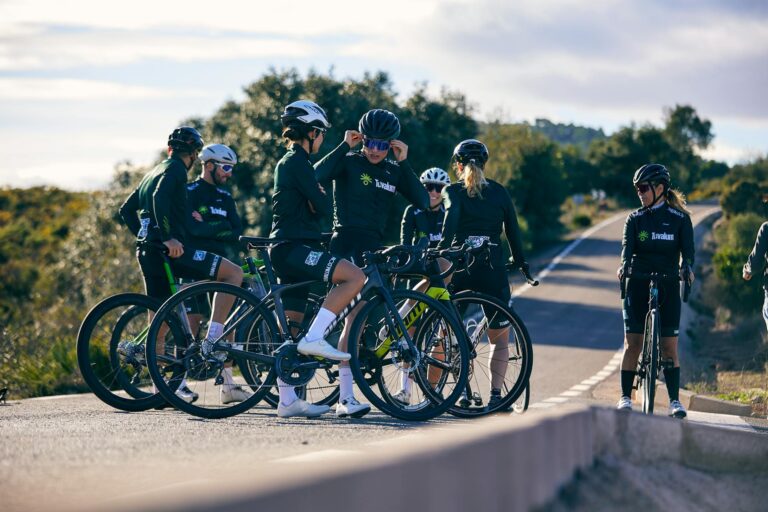
Heat exhaustion and heat stroke represent serious medical emergencies that can develop quickly during hot-weather exercise, making recognition of early warning signs essential. Initial symptoms include excessive sweating that suddenly stops, headache, dizziness, nausea, and muscle cramps. More severe indicators””confusion, rapid heartbeat, and loss of coordination””signal heat stroke requiring immediate medical attention. Cyclists experiencing these symptoms should stop riding immediately, seek shade, and focus on cooling and hydration. A limitation of self-monitoring is that heat illness impairs judgment, meaning that cyclists in genuine danger may not recognize their condition or may irrationally decide to push through. Riding with others provides a safety check, as companions can notice behavioral changes that the affected individual misses.
Solo commuters should establish firm personal rules: if symptoms appear, stop regardless of how close you are to your destination. Certain medications, medical conditions, and lifestyle factors increase heat vulnerability. Antihistamines, blood pressure medications, and diuretics can impair the body’s temperature regulation. Previous heat illness creates elevated future risk. Alcohol consumption within 24 hours compromises hydration and thermal regulation. Cyclists with these risk factors should apply extra caution and may need to adjust their heat thresholds downward””riding in conditions that others tolerate may be unsafe for them.
Electrolytes and Nutrition for Summer Cycling
While basic hydration receives appropriate emphasis, electrolyte balance and fueling strategies also influence summer cycling performance and safety. Sodium, potassium, and magnesium lost through sweat must be replaced, particularly for riders who commute both directions or engage in additional exercise. Symptoms of electrolyte deficiency include muscle cramps, fatigue, and cognitive fog””all of which can appear even in well-hydrated cyclists who haven’t replaced minerals.
For example, a cyclist who drinks abundant plain water during a very sweaty ride can actually dilute their blood sodium levels, creating a condition called hyponatremia. While rare in typical commuting scenarios, this risk increases during extended rides or when cyclists deliberately over-hydrate in an attempt to beat the heat. Sports drinks address this by including sodium, though homemade alternatives like diluted juice with a pinch of salt work similarly.
The Long View: Building Heat Adaptation Over Time
Human physiology adapts remarkably well to heat stress when exposure increases gradually over one to two weeks””a process called heat acclimatization. Adapted cyclists produce more dilute sweat, begin sweating earlier during exercise, and develop improved cardiovascular responses to heat. Commuters who ride consistently through early summer develop these adaptations naturally, while those who start suddenly in July face a more challenging transition.
This adaptation argues for maintaining at least occasional cycling during spring, even on cooler days when driving seems more convenient. The fitness and heat tolerance built during moderate conditions pays dividends when summer temperatures peak. Cyclists returning from extended breaks or new to bike commuting should expect the first two weeks of hot-weather riding to feel disproportionately difficult before their bodies adjust. Patience during this transition period prevents the discouragement that causes many summer commuting attempts to fail.
Conclusion
Successful summer bike commuting combines preparation, appropriate gear, smart timing, and honest self-assessment. The fundamentals””hydrating before and during rides, wearing technical fabrics, choosing shaded routes, and moderating intensity””address most heat-related challenges. Equally important is recognizing when conditions exceed safe limits and having the judgment to modify plans accordingly.
Building sustainable summer cycling habits means accepting some compromises: earlier alarm times, longer routes through shade, workplace logistics for cooling down, and occasional days when driving makes more sense. Cyclists who approach hot weather with flexibility rather than rigid determination tend to maintain their commuting practice through entire summers, while those who insist on identical routines regardless of temperature often burn out””sometimes literally. The goal is consistent cycling over years, not heroic individual days.