Staying dry and comfortable while bike commuting in rain comes down to three fundamentals: waterproof outer layers that breathe, fenders that block road spray, and accepting that some dampness is inevitable. The most effective approach combines a quality rain jacket with sealed seams, waterproof pants or shoe covers, full-coverage fenders front and rear, and a change of clothes at your destination. A cyclist in Portland or Seattle who rides year-round will tell you that the gear matters less than the mindset””once you commit to riding in wet conditions and dial in your system, rain becomes a minor inconvenience rather than a ride-canceling event. The real challenge isn’t staying completely dry, which is nearly impossible during sustained rain.
It’s managing moisture from two sources: precipitation falling from above and sweat building from within. Many new rain commuters make the mistake of buying the most waterproof jacket they can find, only to arrive at work soaked from their own perspiration. The solution involves balancing waterproofness with breathability, adjusting your effort level, and having a post-ride routine that gets you into dry clothes quickly. This article covers gear selection, bike setup, riding techniques, and the practical systems that experienced wet-weather commuters use to make rainy rides tolerable””even enjoyable.
Table of Contents
- What Gear Do You Need for Bike Commuting in Rain?
- Understanding Fenders: Your First Line of Defense Against Road Spray
- Visibility and Lighting in Rainy Conditions
- Managing Sweat and Body Temperature in Waterproof Gear
- Protecting Your Bike and Drivetrain from Water Damage
- Planning Your Route and Arrival Routine
- The Long-Term Perspective on Rain Commuting
- Conclusion
What Gear Do You Need for Bike Commuting in Rain?
The foundation of rain commuting gear is a waterproof breathable jacket, but not all jackets perform equally. Look for a jacket with a waterproof rating of at least 10,000mm and taped or sealed seams””unsealed seams will leak within minutes of steady rain. Pit zips or mesh-lined vents make an enormous difference in breathability; a fully sealed jacket without ventilation options will leave you drenched in sweat during any ride longer than fifteen minutes. Cycling-specific rain jackets tend to have longer back panels to cover your lower back while in a riding position and tighter cuffs that don’t flap or let water run down your arms. Below the waist, you have several options depending on your commute length and workplace setup. Full rain pants provide maximum coverage but are cumbersome to put on and take off.
Rain chaps or cycling-specific overpants that open at the sides allow quick transitions. For shorter commutes, some riders simply wear quick-dry athletic pants and accept wet legs, changing into work clothes upon arrival. Waterproof shoe covers or dedicated rain boots like those made for fishing or sailing keep feet dry, though shoe covers tend to wear out quickly from contact with pedals and pavement. A comparison worth noting: expensive Gore-Tex or similar membrane jackets do breathe better than budget PU-coated options, but the difference narrows significantly in heavy rain when the outer fabric becomes saturated. Budget riders can get by with a less expensive jacket if they ride at a moderate pace and use ventilation aggressively. However, if your commute involves significant climbing or you tend to run hot, investing in higher-end breathable waterproof fabric often proves worthwhile over a season of regular use.
Understanding Fenders: Your First Line of Defense Against Road Spray
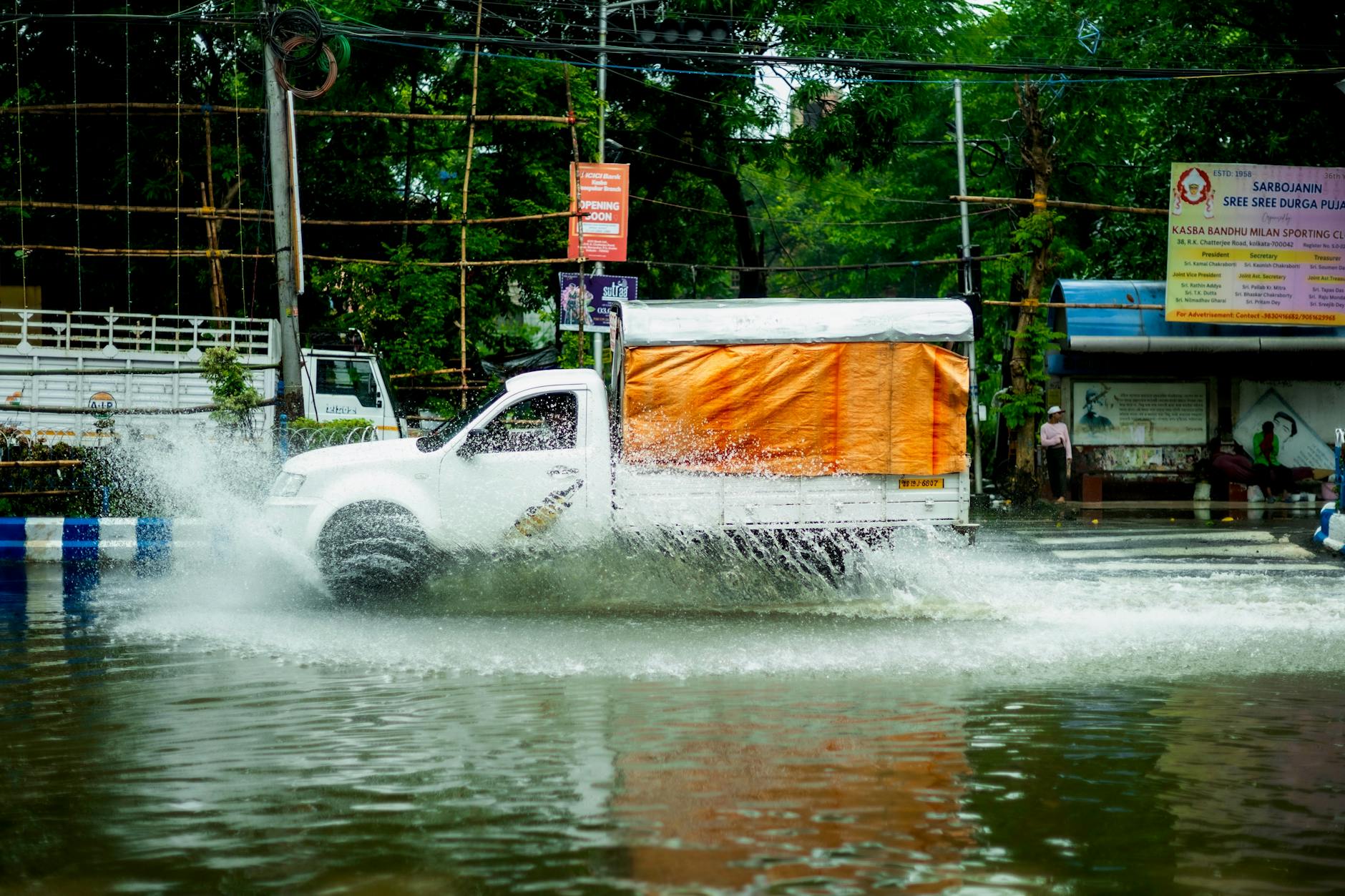
Fenders””called mudguards in British English””are arguably more important than rain gear for staying dry on wet roads. Without fenders, your front wheel throws a continuous stream of gritty water directly at your feet, drivetrain, and lower body, while your rear wheel sprays your back. Roads stay wet for hours after rain stops, meaning you’ll get soaked on a “dry” day if puddles remain. Full-coverage fenders that extend close to the ground and wrap around a significant portion of the wheel outperform stubby clip-on fenders dramatically. The limitation of fenders is that they require adequate clearance between your tire and frame or fork.
Many modern road bikes and some gravel bikes with tight clearances cannot fit full fenders, or can only accommodate narrow fenders that provide incomplete coverage. If your bike lacks fender mounts or clearance, clip-on fenders attached to the seat post and down tube offer partial protection””better than nothing, but expect wet feet and a wet backside. Before buying a commuter bike, check fender compatibility; this single feature affects wet-weather comfort more than almost any other specification. However, if you ride primarily on bike paths rather than roads, the spray from your own wheels is your main concern, and even minimal fenders help considerably. Road riding presents the additional hazard of spray from passing vehicles, which fenders cannot prevent. Position yourself to avoid riding through deep puddles when cars approach, and accept that some external spray is unavoidable on busy roads.
Visibility and Lighting in Rainy Conditions
Rain dramatically reduces visibility for both you and drivers. Wet conditions mean drivers are looking through water-streaked windshields, their attention divided between the road and their wipers. Your clothing becomes less visible when wet, and the ambient light decreases even during daytime rain. Headlights and taillights””not just reflectors””become essential rather than optional. Many cities require lights whenever visibility is reduced, regardless of time of day. For rain riding, choose lights with a steady or pulsing mode rather than rapid strobe, which can be harder for drivers to track in wet conditions. A rear light with at least 100 lumens visible output helps you stand out against the visual noise of wet pavement and spray. Front lights serve double duty: making you visible and illuminating the road surface, which helps you spot potholes that fill with water and become invisible. A headlight with a beam pattern that illuminates the road without blinding oncoming traffic is worth seeking out. Reflective and high-visibility clothing provides an additional layer of safety. A waterproof jacket in fluorescent yellow or orange with reflective strips catches headlights better than a stylish black jacket, regardless of how well it keeps you dry.
Some riders compromise by wearing a high-vis vest or reflective sash over their preferred jacket, gaining visibility without sacrificing their gear choices. ## How to Prevent Fogged Glasses and Impaired Vision Eyewear presents a genuine dilemma in rain: without glasses or goggles, rain hits your eyes directly, causing you to squint and reducing your ability to see the road. With glasses, water droplets accumulate on the lenses and fog builds from your body heat. Neither option is ideal, but experienced rain commuters have developed several approaches to manage the tradeoff. Clear or yellow-tinted lenses work better than dark sunglasses in rainy conditions, allowing more light through. Anti-fog treatments””either sprays applied at home or built-in coatings””reduce fogging, though their effectiveness varies and diminishes with repeated exposure to rain. A cycling cap with a brim worn under your helmet keeps rain from falling directly onto your lenses from above, which helps more than most riders expect. Some cyclists prefer glasses with larger lenses and better wraparound coverage to minimize water reaching the inner lens surface. The comparison that matters: contact lenses work better than glasses in rain for many riders, eliminating the fogging problem entirely. However, contacts carry a small risk of contamination from road spray and dirty water. If you wear contacts, avoid touching your eyes during a wet commute, and consider daily disposables that you can discard after a particularly grimy ride.
Managing Sweat and Body Temperature in Waterproof Gear
The paradox of rain gear is that sealing out external water often seals in perspiration. Waterproof fabrics, even breathable ones, restrict airflow compared to standard cycling clothing. Your effort level while riding generates significant heat, and without adequate ventilation, that heat turns to sweat that soaks your base layers just as effectively as rain would have. The solution involves multiple strategies used in combination. First, ride at a lower intensity than you would on dry days””arriving a few minutes later but dry beats arriving on time but drenched inside your own jacket.
Second, use every ventilation feature your jacket offers: open pit zips, loosen cuffs, unzip the front partially when heat builds. Third, dress lighter beneath your rain layers than your instincts suggest; you’ll warm up quickly once moving, and most rain rides don’t involve waiting in cold conditions. A warning: the materials that make effective base layers in dry, cold conditions””like merino wool or synthetic wicking fabrics””continue to perform well under rain gear because they manage moisture even when damp. Cotton base layers become cold and clammy when sweat-soaked and should be avoided entirely for rain commuting. If you arrive damp, a merino wool shirt will still provide some insulation and dry relatively quickly, while a cotton t-shirt will leave you cold for hours.
Protecting Your Bike and Drivetrain from Water Damage
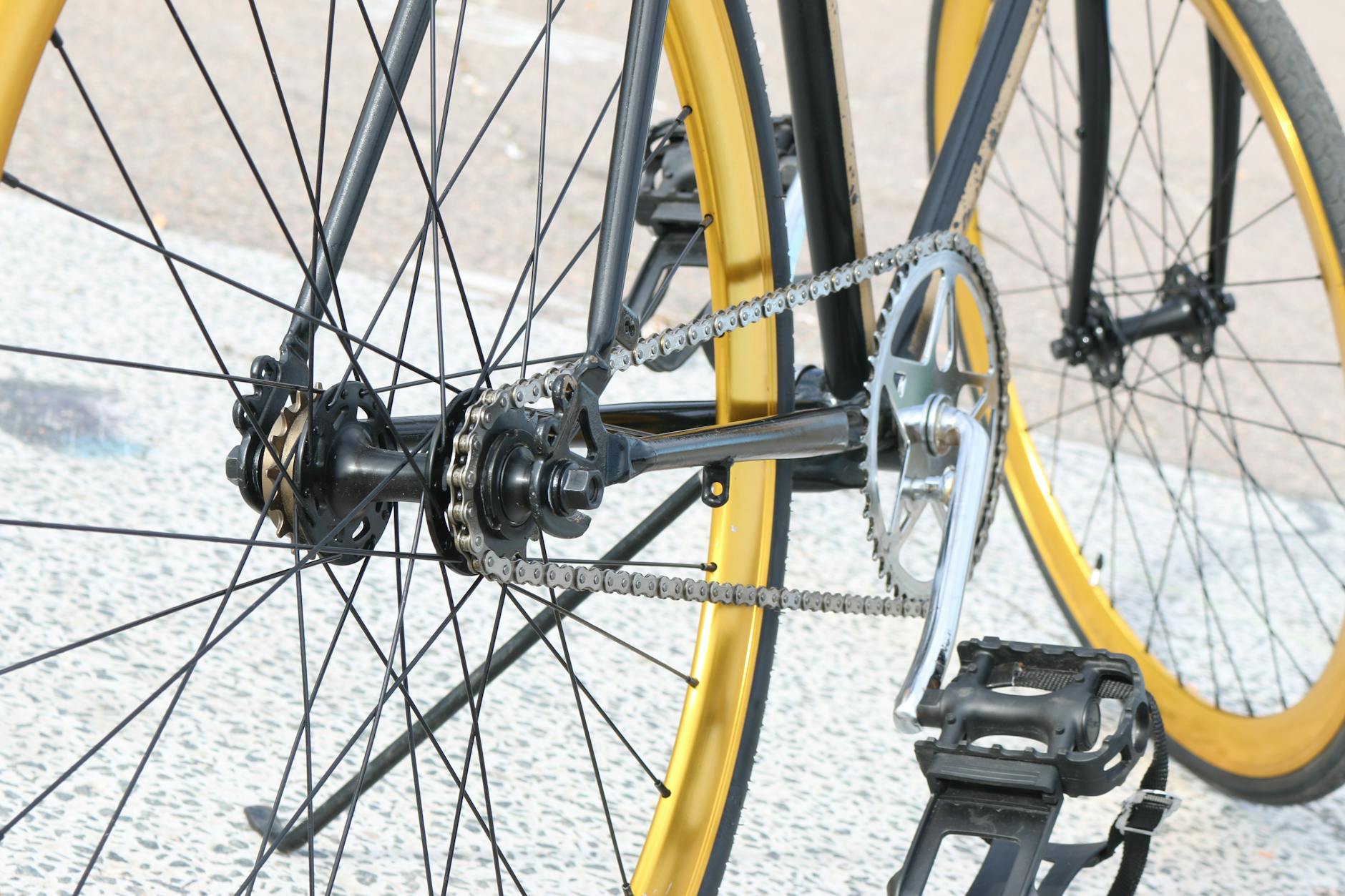
Wet riding accelerates wear on your bike’s components, particularly the drivetrain. Water washes lubricant from your chain, introduces grit into your bearings, and promotes rust on steel components. A single season of regular rain commuting can wear out a chain that would otherwise last much longer in dry conditions. After each wet ride, wipe down your chain with a rag and reapply lubricant.
Wet-specific chain lubes””thicker formulations designed to resist water washout””last longer than dry lubes in rainy conditions, though they attract more dirt and require more frequent drivetrain cleaning. Some commuters keep a rag and small bottle of lube at their destination for quick post-ride maintenance. For example, a cyclist commuting through a rainy winter season might go through three or four chains, replacing them before they stretch enough to damage the cassette and chainrings. The cost of chains is far less than replacing worn cogs, so monitoring chain wear with a chain checker tool and replacing proactively saves money over time. Disc brakes, now common on commuter bikes, perform much more consistently in wet conditions than rim brakes, which can lose stopping power dramatically when wet””an important consideration when choosing a rain commuting bike.
Planning Your Route and Arrival Routine
Route selection matters more in rain than in dry conditions. Roads with poor drainage accumulate deep puddles that hide potholes and debris. Painted road markings and metal surfaces””manhole covers, grates, railroad tracks””become dangerously slick when wet. Bike paths may have better drainage than roads but can flood in low-lying areas.
Learning where water accumulates on your regular route allows you to avoid the worst hazards. Equally important is your arrival routine. Having a place to hang wet gear””whether a hook in your office, a locker, or simply a spot where a jacket can drip-dry””makes the difference between starting your workday damp and miserable versus dry and comfortable. Bringing a complete change of clothes, including socks and shoes, ensures you don’t spend the day in clammy footwear. Some committed rain commuters keep a week’s worth of work clothes at the office, refreshing them when driving becomes necessary for other reasons.
The Long-Term Perspective on Rain Commuting
Riders who stick with bike commuting through multiple rainy seasons consistently report that their tolerance increases and their systems become more refined over time. The first few wet commutes feel miserable and require significant recovery, but by the second or third season, rain becomes routine. Knowing which gear works, having a practiced arrival routine, and understanding your route’s drainage patterns transforms a daunting prospect into manageable inconvenience.
The investment in proper rain gear and bike setup pays dividends beyond rainy days. Fenders improve your experience whenever roads are wet from any source””sprinklers, puddles from previous days’ rain, street cleaning. Quality waterproof layers serve for other outdoor activities. The confidence gained from handling adverse conditions makes you a more skilled and adaptable cyclist overall.
Conclusion
Rain commuting demands preparation that dry-weather riding does not, but the core requirements are straightforward: waterproof breathable layers, effective fenders, good visibility, and a system for managing sweat and wet gear. The cyclists who commute year-round in notoriously rainy climates don’t possess superhuman tolerance for discomfort””they’ve simply invested time in finding what works and built habits that minimize the hassle. Start with the basics: quality fenders, a decent rain jacket, and a change of clothes at your destination.
Add refinements as you discover what your particular commute requires. Accept that some dampness is normal and that arriving slightly wet but having ridden your bike still beats arriving dry but having sat in traffic. Rain commuting is a skill that improves with practice, and the rewards””fitness, cost savings, environmental benefit, and simple satisfaction””continue through every season.