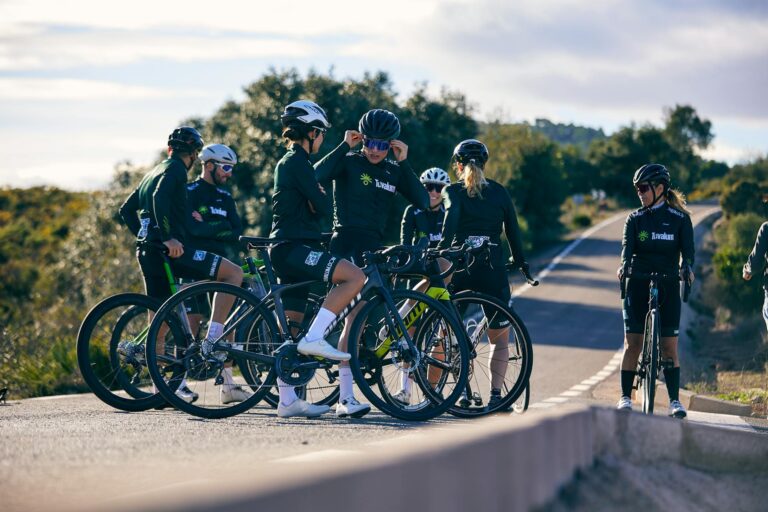
Switching from driving to cycling for your daily commute delivers measurable improvements across three categories that matter to most people: physical health, monthly expenses, and environmental impact. Regular bike commuters typically burn 400 to 600 calories per hour of riding, save between $4,000 and $9,000 annually compared to car ownership costs, and eliminate roughly 3,000 pounds of carbon dioxide emissions per year for a typical commute distance. These aren’t aspirational numbers from cycling advocacy groups””they come from transportation studies, health research, and straightforward math about fuel and maintenance costs. Consider a commuter in Portland, Oregon, who switched from a 12-mile car commute to cycling three days per week.
Over two years, she documented losing 15 pounds without changing her diet, saving $6,200 in combined fuel, parking, and reduced car maintenance, and cutting her household’s carbon footprint by approximately 2,400 pounds annually. Her experience reflects what researchers consistently find when they study bike commuters over time. This article examines each category of benefit in detail, including the situations where bike commuting works well and where it presents genuine challenges. We’ll cover the health effects beyond simple calorie burning, break down the real financial math, explain the environmental calculations, and address practical concerns like weather, safety, and workplace logistics.
Table of Contents
- How Does Bike Commuting Improve Your Physical and Mental Health?
- What Are the Real Financial Savings from Cycling to Work?
- Understanding the Environmental Impact of Bicycle Commuting
- Getting Started: What Equipment and Preparation Do You Actually Need?
- Handling Weather, Safety, and Workplace Logistics
- Building a Sustainable Bike Commuting Habit
- The Changing Infrastructure and Future of Bike Commuting
- Conclusion
How Does Bike Commuting Improve Your Physical and Mental Health?
The health benefits of cycling to work extend well beyond weight management. Cardiovascular improvements show up quickly””a 2017 study published in the British Medical Journal tracked over 250,000 UK commuters and found that cycling to work was associated with a 46% lower risk of developing heart disease and a 45% lower risk of cancer compared to driving or public transit. These weren’t elite athletes; they were ordinary people riding to ordinary jobs. Mental health effects deserve equal attention. The combination of physical exertion, outdoor exposure, and the practical necessity of focusing on the road creates what many commuters describe as a daily reset.
Research from the University of East Anglia found that people who switched from driving to cycling reported improved concentration and reduced stress. The effect seems related to both the exercise itself and the sense of autonomy that comes from propelling yourself through space. However, these benefits assume reasonably safe cycling conditions and appropriate physical preparation. Someone with serious knee problems, for instance, might find that cycling aggravates their condition rather than improving their fitness. And commuters in areas with dangerous traffic conditions or severe air pollution may face health tradeoffs that complicate the picture. The healthiest bike commute happens on low-traffic routes in areas with decent air quality.
What Are the Real Financial Savings from Cycling to Work?
The most commonly cited figures about bike commuting savings often understate the true numbers because they focus only on fuel. The full cost of car commuting includes depreciation, insurance, maintenance, registration, parking, and the opportunity cost of the time spent in traffic. AAA estimates that the average sedan costs about 62 cents per mile to operate when all factors are included. A 10-mile each-way commute, then, costs roughly $12.40 per day or about $3,100 for a 250-workday year””just in direct vehicle costs. Parking often adds substantially to that figure. Downtown parking in mid-sized American cities typically runs $150 to $300 per month; in major cities, $400 or more is common.
Someone paying $200 monthly for parking who switches to cycling saves $2,400 annually on parking alone, before counting any other expenses. The bicycle side of the equation has real costs too, but they’re dramatically lower. A reliable commuter bike costs $400 to $1,200 upfront, with annual maintenance running $100 to $300 depending on mileage and conditions. Some commuters add an e-bike, which raises the upfront cost to $1,500 to $3,000 but makes longer distances and hilly terrain manageable. Even with an e-bike, charging costs are negligible””typically under $30 per year for daily charging. The break-even point, where cycling costs less than driving would have, usually arrives within the first three to six months.
Understanding the Environmental Impact of Bicycle Commuting
The environmental case for bike commuting is straightforward in principle: bicycles produce zero direct emissions, while cars produce substantial emissions per mile traveled. The average passenger vehicle in the United States emits about 411 grams of CO2 per mile. A 10-mile commute each way, five days a week, produces roughly 4,100 grams””about 9 pounds””of CO2 daily, or approximately 2,250 pounds annually. Switching that commute to a bicycle eliminates those emissions entirely for a conventional bike. E-bikes do have a small electrical footprint, but the emissions depend heavily on how your local grid generates electricity.
Even in regions that rely heavily on coal, an e-bike produces roughly 20 to 30 grams of CO2 per mile””less than one-tenth of car emissions. In areas with cleaner grids, the figure drops to nearly zero. The calculation becomes more complex if you’re not replacing car trips entirely. A bike commuter who still maintains a car for other purposes doesn’t eliminate all vehicle-related emissions, and the manufacturing emissions embedded in bicycle production aren’t trivial. A lifecycle analysis from the European Cyclists’ Federation found that a bicycle produces about 21 grams of CO2 per kilometer when manufacturing is included, compared to about 271 grams for an average car. The environmental advantage is clear but less dramatic than zero-versus-something comparisons suggest.

Getting Started: What Equipment and Preparation Do You Actually Need?
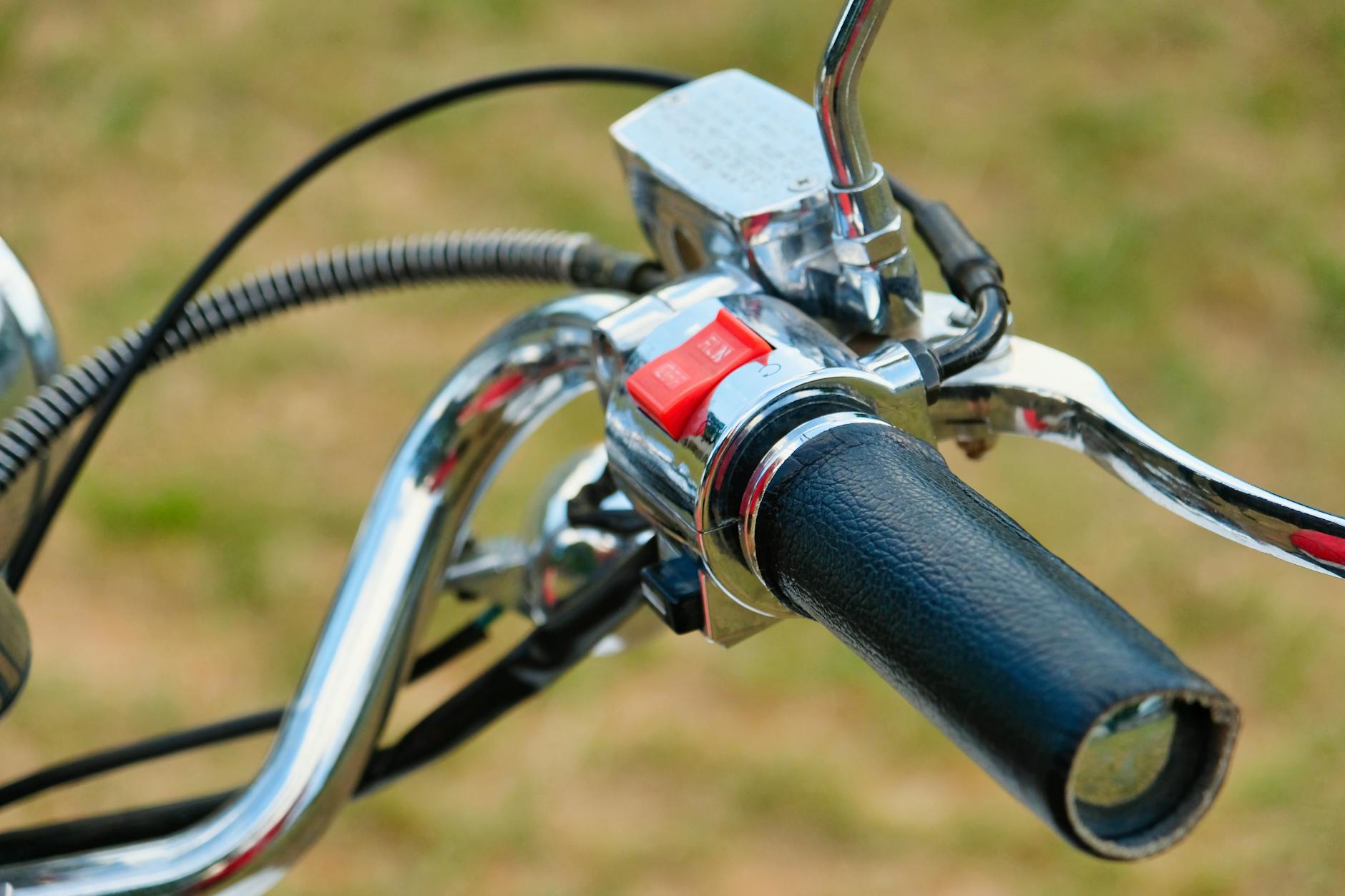
New bike commuters often over-prepare, buying expensive gear before they understand what their particular commute requires. The genuine essentials are a reliable bicycle appropriate to your terrain, lights for visibility, a lock sufficient for your area’s theft risk, and some method of carrying your work items. Everything else””specialized clothing, fenders, racks, panniers””can be added as you discover what your commute actually demands. The bicycle itself doesn’t need to be expensive or specialized. Many successful commuters use older road bikes, basic hybrid bikes, or even heavy steel bikes inherited from relatives. The key requirements are functional brakes, properly inflated tires, and a drivetrain that shifts reliably.
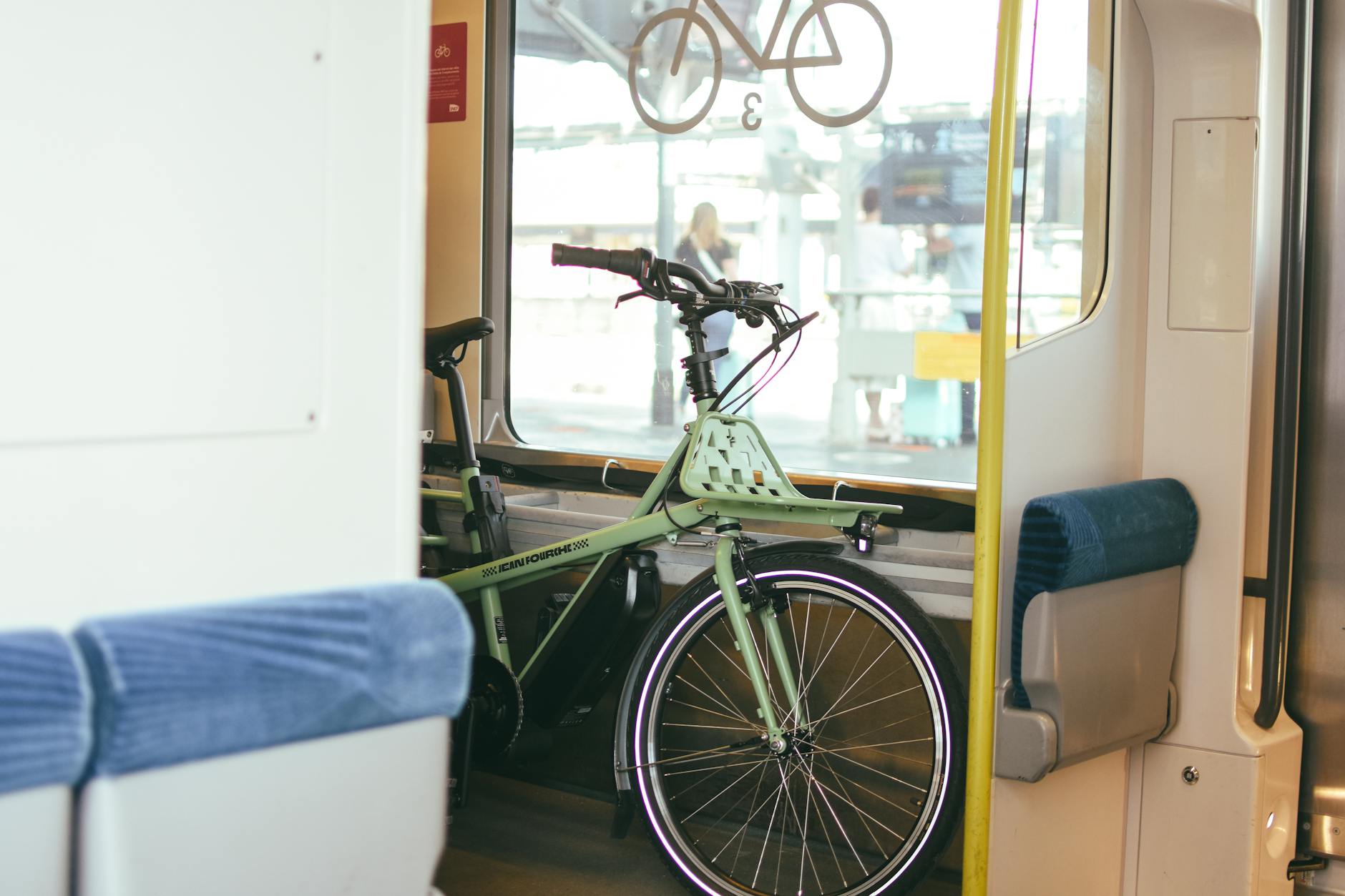
A commuter covering 5 to 15 miles in relatively flat terrain doesn’t need a $2,000 bike any more than someone driving to the grocery store needs a sports car. The tradeoff between a traditional bicycle and an e-bike deserves consideration. Conventional bikes cost less upfront, require less maintenance, and provide more vigorous exercise. E-bikes make longer distances practical (15+ miles each way becomes reasonable), flatten hills, and reduce sweat””an important factor for commuters without workplace shower facilities. Someone with a 7-mile flat commute and a casual dress code probably doesn’t need an e-bike. Someone with a 12-mile hilly commute and client meetings probably does.
Handling Weather, Safety, and Workplace Logistics
Weather stops more potential bike commuters than any other factor, yet regular cyclists in cities like Minneapolis, Seattle, and Copenhagen demonstrate that year-round commuting is possible in challenging climates. The key insight is that consistent low-intensity cycling in poor weather is often easier than occasional cycling, because you develop routines and acquire appropriate gear. A cyclist who rides through winter once knows what clothing works; someone attempting it for the first time in January will struggle. Rain requires fenders, waterproof panniers or bags, and either rain gear or a change of clothes at work. Cold requires layering””experienced winter cyclists typically wear less than they expect, since the exertion generates substantial heat.
Snow and ice present the most genuine limitation; while studded tires make cycling possible on packed snow, truly icy conditions create risks that most recreational commuters reasonably avoid. Safety concerns merit serious attention rather than dismissal. Cycling is statistically riskier per mile than driving, though the comparison is complicated by the health benefits that offset accident risk in overall mortality calculations. Practical risk reduction comes from route selection (bike lanes and low-traffic streets dramatically reduce crash rates), visibility gear, predictable riding behavior, and avoiding the most dangerous situations””particularly riding alongside large trucks and buses. Commuters who choose routes carefully and ride defensively face meaningfully lower risks than aggregate statistics suggest.
Building a Sustainable Bike Commuting Habit
The commuters who maintain cycling routines for years rather than months typically share a few approaches. They set modest initial expectations””perhaps cycling two days per week rather than attempting an immediate full transition. They identify backup options for genuinely bad weather or days when cycling isn’t feasible.
And they troubleshoot problems promptly rather than letting minor annoyances””a squeaky brake, an uncomfortable saddle””accumulate into reasons to quit. One Minneapolis commuter describes keeping a “kit” at his office: a spare shirt, basic toiletries, and snacks. This preparation removes the daily decision-making about what to bring and provides recovery options when something goes wrong. Another, a software developer in Austin, negotiated a slightly flexible start time that lets her avoid the most intense summer heat by arriving at 7:30 rather than 9:00.
The Changing Infrastructure and Future of Bike Commuting
American cities have added substantial cycling infrastructure over the past decade, though quality and connectivity vary enormously. Protected bike lanes””physically separated from car traffic””reduce injury rates by roughly 90% compared to unprotected roadways, according to research from the University of British Columbia. Cities including New York, San Francisco, and Washington, D.C., have built networks that make cycling practical for commuters who would never consider riding in mixed traffic.
The e-bike boom has expanded who can realistically bike commute. Trips that once required athletic fitness or tolerance for arriving sweaty now work for a much broader population. Sales of e-bikes have grown faster than any other bicycle category, and their presence on roads normalizes cycling in communities where it was once rare. The combination of improving infrastructure and more accessible equipment suggests that bike commuting will continue growing from its current modest share of American transportation.
Conclusion
Bike commuting offers concrete benefits across health, finances, and environmental impact””benefits that compound over time as fitness improves, savings accumulate, and habits solidify. The research consistently shows that people who cycle to work are healthier, spend less on transportation, and generate fewer emissions than those who drive. These advantages aren’t theoretical; they’re measurable outcomes that appear in study after study.
The practical path forward involves starting modestly, troubleshooting problems as they arise, and gradually building cycling into your routine rather than attempting an immediate complete transformation. Choose an appropriate bike for your commute distance and terrain, identify the safest available route, and plan for the logistics your workplace requires. The benefits are real, but so are the challenges””and the commuters who succeed long-term are those who address both honestly.