Bicycling: The Ultimate Low-Impact Exercise for a Lifetime of Fitness and Mobility
When it comes to staying fit and healthy, there are countless exercise options available. From running to weightlifting to yoga, the options can be overwhelming. But what if we told you there’s one form of exercise that can be continued well into your golden years? That’s right, we’re talking about bicycling.
Bicycling has been around for centuries and has evolved into a popular sport and means of transportation. But what many people don’t realize is that it’s also an excellent low-impact exercise that can benefit people of all ages, particularly as we get older.
So why is bicycling such a great workout for maintaining fitness and mobility? Let’s break it down.
Low-Impact, High Rewards
First and foremost, bicycling is a low-impact exercise, meaning it puts minimal stress on your joints and muscles. This is especially important as we age because our bodies may not be able to handle high-impact exercises like running or heavy weightlifting.
But don’t let the term “low-impact” fool you. Bicycling still provides a great cardiovascular workout, which is essential for maintaining a healthy heart and overall fitness. In fact, according to the American Heart Association, just 30 minutes of moderate cycling can burn up to 300 calories.
Plus, because it’s low-impact, bicycling is a great option for people with joint issues or injuries. It allows them to get their heart rate up and break a sweat without risking further damage to their bodies.
Builds Muscle and Strength
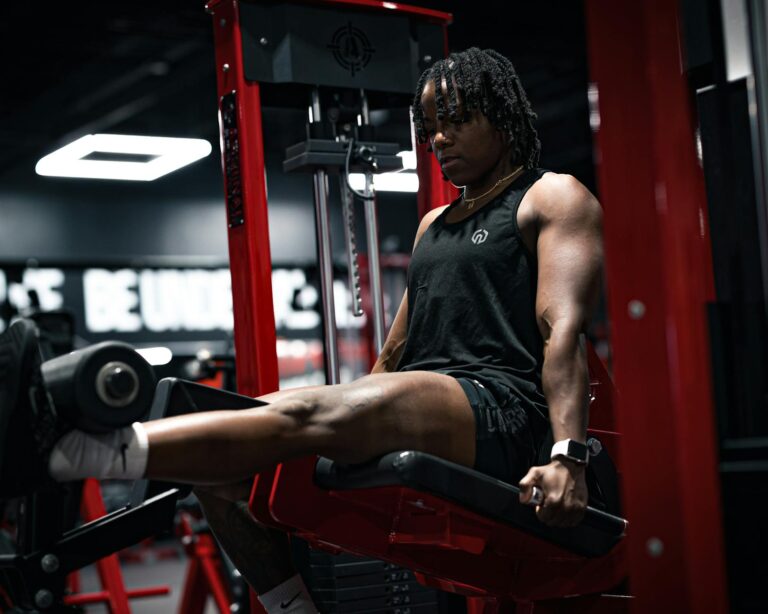
Bicycling isn’t just about cardio. It also helps build muscle and strength in your lower body. As you pedal, you’re working your quads, hamstrings, calves, and glutes. And let’s not forget about the core muscles that are engaged to keep you balanced on the bike.
Having strong leg muscles not only makes you a better cyclist, but it also improves your overall mobility and balance. This is crucial for older adults who may be at risk of falls and injuries.
Low-Cost and Accessible
One of the best things about bicycling is that it’s a low-cost form of exercise. Unlike expensive gym memberships or fancy workout equipment, all you need is a bike and a helmet to get started.
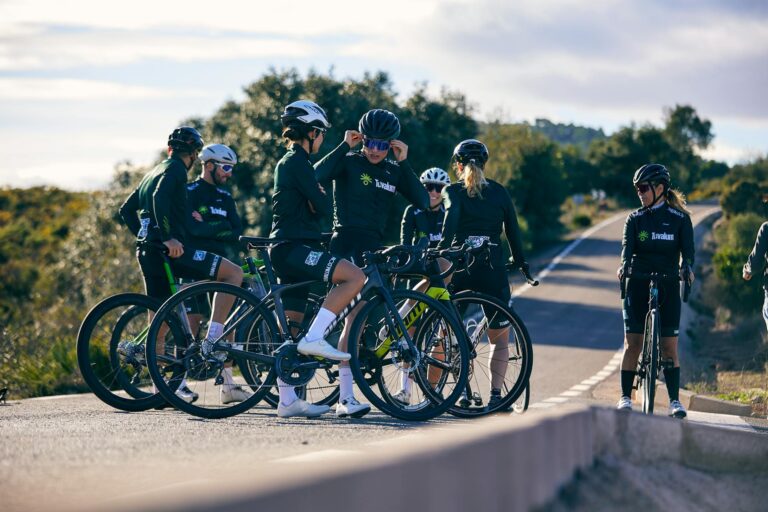
Bicycling is also accessible to almost everyone. You can ride on the streets, in a park, or even on a stationary bike at home. And with the rise of electric bikes, people with physical limitations can still enjoy the benefits of cycling.
A Stress-Reliever
In addition to the physical benefits, bicycling is also an excellent form of stress relief. As we get older, stress can have a significant impact on our health. Bicycling allows us to disconnect from the world and focus on the present moment. The fresh air and peaceful surroundings can do wonders for our mental well-being.
A Lifetime of Benefits
Perhaps one of the most significant advantages of incorporating bicycling into your fitness routine is that it can be continued well into old age. Unlike other high-impact activities that may become too strenuous for our bodies as we age, cycling can be a lifelong form of exercise.
In fact, a study published in the Journal of Aging and Physical Activity found that regular cycling can improve overall physical function in older adults and help prevent age-related declines in mobility.
So whether you’re 25 or 65, bicycling can be a part of your fitness journey for years to come.
In conclusion, there are countless benefits to incorporating bicycling into your exercise routine. It’s low-impact, builds muscle and strength, is accessible and affordable, and can be continued into old age. So why not dust off that old bike in your garage or invest in a new one and hit the road? Your body and mind will thank you.