The best hybrid bikes under $500 for casual riders come from established brands like Trek, Giant, Schwinn, and Diamondback, offering aluminum frames, reliable Shimano drivetrains, and comfortable upright geometry that works equally well on paved paths and light gravel. At this price point, the Trek FX 1, Giant Escape 3, and Schwinn Vantage F2 consistently deliver the best balance of component quality, ride comfort, and durability for weekend trail rides or weekday commutes under ten miles. A rider who picks up a $400-$500 hybrid from one of these manufacturers can expect a bike that weighs around 25-28 pounds, shifts smoothly through 7-21 gears, and requires minimal maintenance beyond basic chain lubrication and tire inflation. The sub-$500 hybrid market has genuinely improved over the past five years.
Where budget bikes once meant department store clunkers with poor assembly and components that failed within months, today’s entry-level hybrids from reputable brands use the same frame geometries and design principles as their more expensive siblings. The main sacrifices come in component weight, bearing quality, and the number of gears””not in fundamental ride quality. A casual rider putting in 20-50 miles per week will find these bikes more than adequate for years of reliable service. This article breaks down what separates a good budget hybrid from a regrettable purchase, examines the specific features that matter most for casual riding, compares the top models currently available, and addresses common concerns about buying at this price point. We will also cover where to buy, what to avoid, and how to get the most value from your investment.
Table of Contents
- What Makes a Hybrid Bike Worth Buying Under $500?
- Key Features to Look For in Budget Hybrid Bikes for Casual Riding
- Comparing the Top Hybrid Bikes in the $400-$500 Range
- Where to Buy a Sub-$500 Hybrid Bike Without Getting Burned
- Maintenance Costs and What to Budget After Purchase
- When to Spend More or Look at Used Options
- Conclusion
What Makes a Hybrid Bike Worth Buying Under $500?
A hybrid bike earns its value at this price point through three core elements: frame quality, drivetrain reliability, and appropriate component choices for its intended use. The frame should be aluminum (steel adds unnecessary weight at this level without providing meaningful comfort benefits), with welds that look clean and consistent. The drivetrain””typically Shimano Tourney or Altus at this price””should shift without hesitation and maintain adjustment over time. Components like grips, saddles, and pedals matter less because they are easily upgraded for minimal cost. The difference between a $350 hybrid and a $500 hybrid often comes down to the drivetrain tier and wheel quality.
A bike at the lower end might use a 7-speed Shimano Tourney rear derailleur with a friction-style grip shifter, while the higher-priced option typically includes an 8-speed Altus setup with trigger shifters that provide more precise, indexed shifting. The Giant Escape 3 at around $500 exemplifies this well””it uses components that feel notably more refined than bikes priced $100-150 lower, without crossing into enthusiast territory where diminishing returns set in. However, chasing the absolute lowest price often backfires. Bikes under $300 from unknown brands frequently arrive with poor factory assembly, unsealed bearings that rust within a season, and frames with geometry borrowed from designs decades old. The $50-100 saved upfront disappears quickly when the bottom bracket fails or the wheels go out of true after minimal use. The sweet spot for casual riders sits firmly between $400 and $500, where competition among established brands produces genuinely capable machines.

Key Features to Look For in Budget Hybrid Bikes for Casual Riding
frame geometry determines how a hybrid bike feels during actual riding more than any other single factor. Casual riders benefit from an upright position that keeps weight distributed evenly between the handlebars and saddle, reducing strain on the lower back and wrists during rides lasting an hour or more. Look for a head tube angle between 70-72 degrees and a relatively short top tube length, which together create a relaxed posture without sacrificing steering responsiveness. Most manufacturers publish geometry charts on their websites, and comparing stack and reach measurements across models reveals which bikes prioritize comfort over aggressive positioning. Tire clearance and stock tire width deserve more attention than most buyers give them. A hybrid that comes with 32mm tires but can accommodate 40mm or wider opens up possibilities for riding unpaved trails, handling rough pavement with less fatigue, and running lower pressures for improved traction.
The Diamondback Haanjo 1 and similar gravel-influenced hybrids offer this versatility, while some road-leaning hybrids max out at 35mm and leave riders stuck with a harsher ride. If your local paths include any gravel sections or deteriorated asphalt, prioritize wider tire compatibility. Brake type represents a genuine tradeoff at this price point rather than a clear winner. Mechanical disc brakes provide consistent stopping power in wet conditions and require less hand strength to operate, but entry-level disc brakes need more frequent adjustment and can be noisy until properly bedded in. Linear-pull rim brakes (V-brakes) offer simpler maintenance, lower weight, and adequate stopping for dry-weather riding, but performance degrades significantly on wet rims. For riders in consistently dry climates who value simplicity, rim brakes remain a sensible choice. Anyone riding in rain or on hilly terrain should prioritize disc brakes despite the additional complexity.
Comparing the Top Hybrid Bikes in the $400-$500 Range
The Trek FX 1 sits at approximately $500 and represents the entry point into a well-established lineup with clear upgrade paths. It features a lightweight Alpha aluminum frame, a 21-speed Shimano Tourney drivetrain, and linear-pull brakes that keep the weight around 26 pounds. The riding position strikes a balance between upright comfort and efficient pedaling, making it suitable for both fitness rides and casual commuting. Trek’s dealer network provides easy access to service and warranty support, which matters when buying a bike you expect to own for years. Giant’s Escape 3 competes directly with the FX 1 at a similar price and offers comparable specifications with a few notable differences. Giant’s ALUXX aluminum frames tend to feel slightly stiffer, which translates to more efficient power transfer but marginally less vibration damping on rough surfaces.
The component specification varies by model year, but recent versions include Giant’s own saddle and grips designed specifically for fitness hybrid use. For riders who prioritize responsive handling over plush comfort, the Escape 3 often edges out the Trek. The Schwinn Vantage F2 and Diamondback Insight 1 offer alternatives at the $350-$450 range that sacrifice little in real-world performance. The Vantage F2 uses a slightly heavier frame but compensates with wider stock tires and a more relaxed geometry suited to pure recreation rather than fitness riding. The Insight 1 leans sportier, with a geometry closer to flat-bar road bikes, appealing to riders who want more speed potential on paved surfaces. Neither brand offers the dealer support network of Trek or Giant, which means repairs and warranty service typically require shipping the bike or finding an independent shop willing to work on it.
Where to Buy a Sub-$500 Hybrid Bike Without Getting Burned
Local bike shops remain the safest place to purchase a hybrid bike, despite often carrying higher prices than online retailers. The markup covers professional assembly, initial adjustments, and typically includes a 30-day tuneup where the shop addresses cable stretch and brake pad bedding that occur during break-in. A bike purchased from a shop also comes with an established relationship for future service and warranty claims. Many shops match online prices on bikes they stock or can order, so asking never hurts. Direct-to-consumer brands like Poseidon, State Bicycle Company, and Priority Bicycles have gained traction by eliminating dealer margins and passing savings to buyers. These companies ship bikes approximately 85% assembled, requiring the buyer to attach the front wheel, handlebars, pedals, and seat. For someone comfortable with basic tools and willing to watch a tutorial video, the assembly takes 30-45 minutes and saves $100-200 compared to equivalent shop-purchased bikes. However, warranty service becomes more complicated since you cannot simply return to a local dealer””expect to ship components or the entire bike back to the manufacturer if issues arise. Purchasing from Amazon, Walmart, or other general retailers carries significant risk at this price point. While reputable brands do sell through these channels, assembly quality varies wildly depending on whether a bicycle-trained technician or a general warehouse worker put the bike together. Bikes arriving in boxes for home assembly may have been assembled and disassembled multiple times for display purposes, with parts retightened incorrectly. If buying online from a general retailer, budget an additional $50-75 for a local shop to inspect and properly adjust the bike before riding, which erodes much of the price advantage.
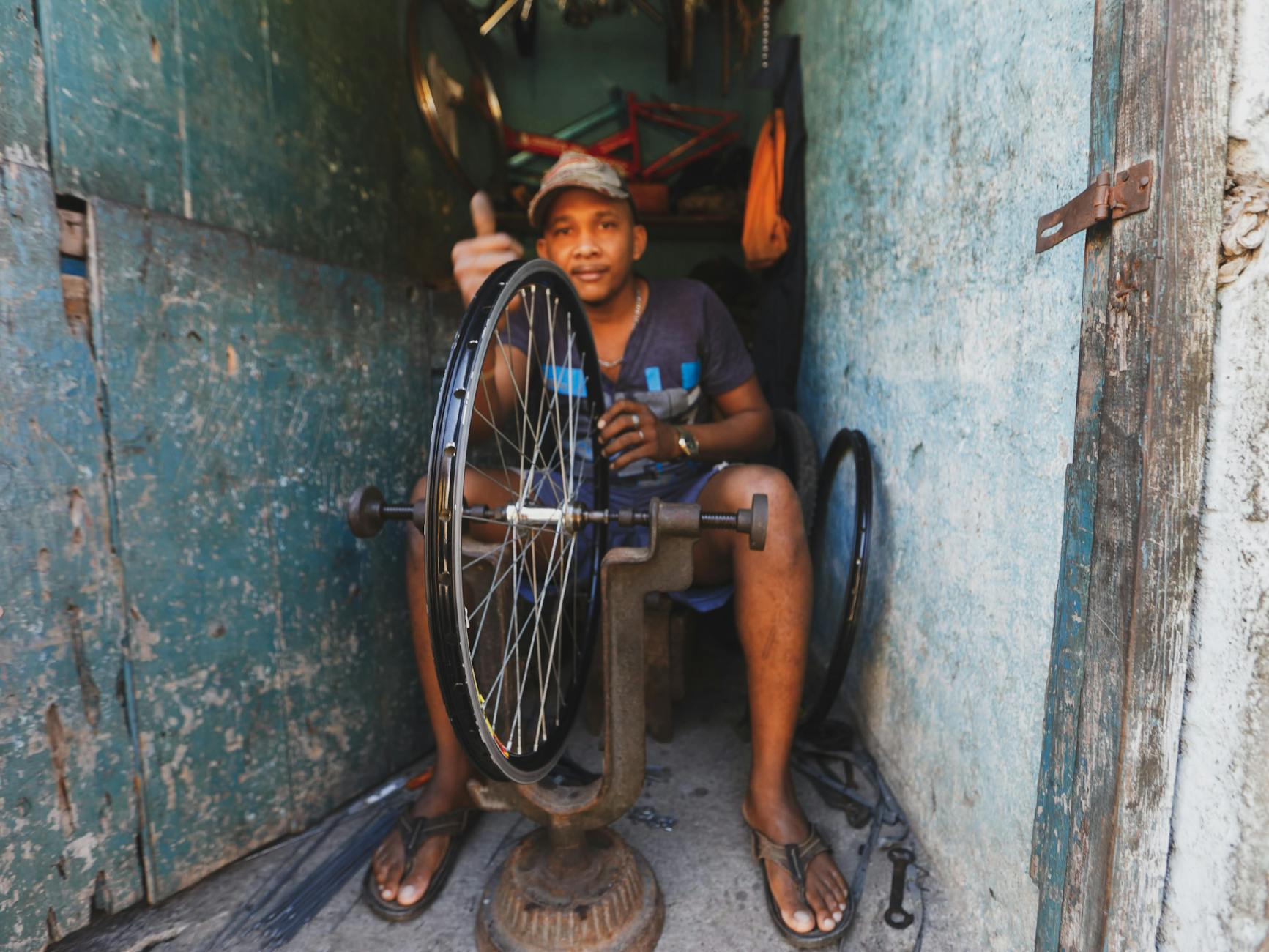
## Common Problems With Budget Hybrids and How to Avoid Them Component durability represents the primary limitation of sub-$500 hybrids, particularly in parts that experience constant movement and stress. Bottom brackets, headset bearings, and wheel hubs at this price point use unsealed or semi-sealed cartridge bearings that tolerate less exposure to water and grit than higher-end equivalents. Riders who frequently encounter rain or wash their bikes without drying critical areas may find these bearings developing play or roughness within a year or two. Applying a light lubricant to bearing seals periodically and avoiding direct water spray on bearing housings extends their service life considerably. Wheel true and spoke tension issues appear more frequently on budget bikes because machine-built wheels with lower spoke counts lack the precision of hand-built alternatives. A wheel that arrives slightly out of true from the factory may worsen as spokes settle and stretch unevenly during initial riding. Learning to check wheel true by spinning and watching the gap at the brake pads takes minimal effort and catches problems before they become dangerous. Most shops will true wheels for $15-25 per wheel, and addressing small wobbles early prevents spoke failure later. Stock contact points””saddles, grips, and pedals””often disappoint on budget hybrids because manufacturers allocate the majority of their component budget to functional parts like derailleurs and brakes. The saddle that comes on a $450 hybrid may prove comfortable for some riders but painfully inadequate for others, and no amount of riding will change a fundamental mismatch between saddle shape and anatomy. Rather than suffering through a poor fit, budget $30-50 for a replacement saddle that matches your sit bone width and riding style. This small upgrade often transforms the riding experience more noticeably than any factory-installed component could.
Maintenance Costs and What to Budget After Purchase
The first year of hybrid bike ownership typically requires $50-100 in maintenance beyond the included tuneup, assuming regular riding of 25-50 miles per week. This covers replacement brake pads once the originals wear, one or two new tubes from flats, and chain lubrication products. Riders who learn basic maintenance tasks””adjusting brakes, fixing flats, cleaning and lubricating the drivetrain””can reduce shop visits to annual tuneups and occasional specialist work like wheel truing or cable replacement.
A practical comparison illustrates the long-term value calculation: a $500 hybrid requiring $100 in annual maintenance costs $800 over three years of ownership. A $350 hybrid that needs more frequent component replacements due to lower initial quality might require $150 annually, reaching $800 in just under two years. The upfront investment in better components often pays for itself through reduced maintenance costs and longer intervals between replacements. Riders planning to keep their bike for three or more years generally benefit from buying at the top of the sub-$500 range rather than the bottom.
When to Spend More or Look at Used Options
Riders who already know they will use their bike for daily commuting, frequent longer rides, or light touring should consider stretching their budget to the $600-700 range where drivetrain quality jumps noticeably. The difference between Shimano Tourney and Shimano Acera or Alivio becomes apparent with regular use””smoother shifting, better adjustment retention, and longer service life between replacements. This modest increase in upfront cost delays the point where upgrade urges strike and ultimately provides better per-mile value for consistent riders.
The used market offers an alternative path to higher-quality bikes at budget prices, though it requires more knowledge to navigate safely. A three-year-old Trek FX 2 or Giant Escape 2 purchased for $350 delivers better components than any new bike at that price, provided the frame remains undamaged and the wear items have life remaining. Checking for cracks near the head tube and bottom bracket, verifying the wheels spin true, and testing that the shifters index properly through all gears filters out most problem bikes. Buying used from another cyclist rather than a pawn shop or general marketplace seller generally produces better outcomes, as enthusiast owners typically maintain their equipment.
Conclusion
Hybrid bikes under $500 for casual riders have reached a point where the segment genuinely delivers on its promise of versatile, comfortable transportation and recreation. The Trek FX 1, Giant Escape 3, and competitors at the $400-500 price point provide aluminum frames, functional drivetrains, and geometry suited to relaxed riding without the problems that plagued budget bikes in previous decades. Purchasing from a local bike shop or reputable direct-to-consumer brand, rather than general online retailers, dramatically reduces the risk of assembly issues and ensures access to warranty support.
The key to satisfaction at this price point lies in managing expectations appropriately. These bikes excel at their intended purpose””comfortable rides of an hour or less on paved and light gravel surfaces, occasional commutes, and weekend exploration. They are not designed for aggressive off-road use, racing, or heavy touring with loaded panniers. Riders who respect these boundaries and invest in basic maintenance will find their sub-$500 hybrid provides reliable service for years, representing one of the better values in cycling today.