The best hybrid bike accessories for comfortable city riding start with three essentials: a well-designed saddle that matches your sit-bone width, ergonomic grips that reduce hand pressure over longer distances, and fenders that keep road spray off your back during wet commutes. Beyond these fundamentals, accessories like a sturdy rear rack, quality lights, and a reliable lock transform a basic hybrid into a practical urban workhorse. A rider who commutes daily in a city like Portland or Amsterdam will tell you that comfort is not about any single accessory but rather how several components work together to reduce fatigue and friction across your entire route.
This article covers the full spectrum of hybrid bike accessories that make city riding more enjoyable, from contact points like saddles and pedals to cargo solutions, visibility gear, and weather protection. Each section addresses specific trade-offs and limitations because not every accessory suits every rider or every city. What works for a flat, protected bike lane in Copenhagen may fail in the potholed streets of Boston. The goal here is to help you identify which upgrades actually matter for your commute rather than accumulating gear that collects dust in your garage.
Table of Contents
- What Accessories Make Hybrid Bikes More Comfortable in Urban Environments?
- Essential Cargo Accessories for Daily Commuting
- How Lighting and Visibility Accessories Improve Urban Safety
- Choosing Weather Protection Accessories That Actually Work
- Common Mistakes When Selecting Hybrid Bike Accessories
- Tire and Tube Upgrades for Smoother City Riding
- The Future of Urban Cycling Comfort
- Conclusion
What Accessories Make Hybrid Bikes More Comfortable in Urban Environments?
Contact points determine most of your riding comfort, and there are only three of them: hands, feet, and seat. Ergonomic grips with a wider palm platform distribute pressure away from the ulnar nerve, which runs through your wrist and causes that tingling sensation on longer rides. Lock-on grips from manufacturers like Ergon or ESI offer more security than slip-on models, though they add slightly more weight. For your feet, flat pedals with a larger surface area and subtle pins provide stability without requiring cycling-specific shoes, which matters when you need to walk into an office or grocery store. Saddle selection causes more confusion than any other accessory because the most padded option is rarely the most comfortable option. A saddle that matches your sit-bone width and riding position matters far more than cushioning depth.
Riders in a more upright hybrid position typically need a wider saddle than aggressive road cyclists. Many local bike shops offer saddle fitting services or loaner programs that let you test different widths before committing. However, if you ride only short distances under twenty minutes, saddle choice becomes less critical since pressure issues develop over time. Suspension seatposts offer another comfort layer, particularly on rough urban roads where potholes and cracked pavement are unavoidable. Brands like Thudbuster and Redshift produce parallelogram-style seatposts that absorb vertical impacts without the bouncy feeling of coil-spring designs. The trade-off is added weight, typically around two hundred grams more than a standard seatpost, and a higher price point. For riders whose commutes include smooth bike paths, a suspension seatpost may be unnecessary weight.

Essential Cargo Accessories for Daily Commuting
Rear racks remain the most practical cargo solution for hybrid bikes because they keep weight low and centered over the rear wheel, improving stability compared to backpack carrying. A quality rack made from aluminum or steel can carry between twenty and thirty kilograms, enough for groceries, a laptop bag, and a change of clothes. Tubus and Topeak have historically produced racks known for durability, though many bike manufacturers now offer integrated rack systems designed specifically for their frames. Panniers attach to these racks and transform your bike into a genuine utility vehicle. Waterproof panniers matter significantly in rainy climates, and the roll-top closure design used by companies like Ortlieb has become an industry standard for keeping contents dry.
However, if your commute is short and you only carry a small bag, a simple bungee cord securing items to a rack may serve just as well without the added cost. Panniers also widen your bike’s profile, which can be problematic when filtering through tight traffic or storing your bike in narrow spaces. Front baskets offer quicker access to items you need frequently, like a phone, wallet, or coffee. Wire baskets provide ventilation and visibility of contents but offer no weather protection. Canvas or wicker baskets add aesthetic appeal but increase weight. Quick-release mounting systems let you remove the basket when not needed, addressing one common complaint about permanently mounted cargo solutions looking awkward on an otherwise sleek bike.
How Lighting and Visibility Accessories Improve Urban Safety
Front and rear lights are legally required in most jurisdictions for riding after dark, but the quality difference between cheap and mid-range lights is substantial. A front light needs enough lumens to illuminate the road ahead while also making you visible to drivers. For well-lit city streets, a light in the two hundred to four hundred lumen range typically suffices, while darker suburban routes may require six hundred lumens or more. However, extremely bright lights aimed incorrectly can blind oncoming cyclists and pedestrians, creating hazards rather than solving them. Rear lights have shifted toward daytime running modes in recent years, with research suggesting that flashing rear lights improve driver detection even in bright conditions. Lights with multiple modes let you switch between steady beams for bike paths, where flashing can irritate other cyclists, and attention-grabbing pulses for traffic-heavy roads.
Battery life varies dramatically, so commuters should consider USB-rechargeable models that can be topped up at work. Integrated seatpost or rack lights keep your setup cleaner but limit flexibility if you switch between bikes. Reflective accessories provide passive visibility without batteries or charging concerns. Reflective ankle straps catch driver attention because the up-and-down pedaling motion stands out against static road elements. Spoke reflectors, while often dismissed as cheap add-ons, significantly increase side visibility at intersections where most urban collisions occur. Reflective tire sidewalls have become more common on commuter-oriented tires, offering visibility without any separate accessory to remember.
Choosing Weather Protection Accessories That Actually Work
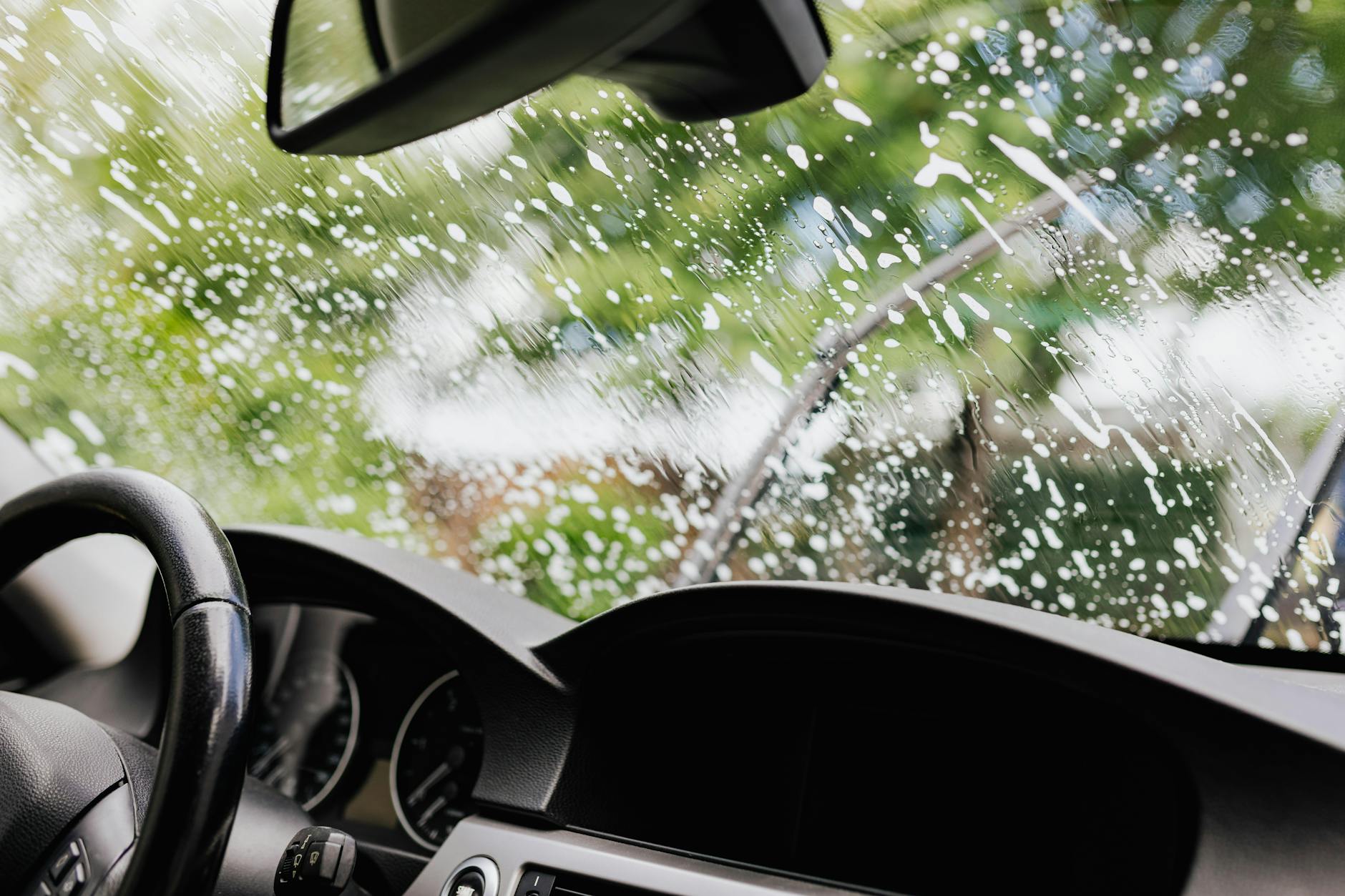
Fenders rank among the most underrated hybrid bike accessories because their benefit only becomes obvious during wet conditions. Full-coverage fenders with mud flaps protect both you and riders behind you from road spray, which in urban environments often contains oil, grime, and other substances you want nowhere near your work clothes. Plastic fenders from SKS or Portland Design Works mount easily on most hybrids with rack and fender eyelets. However, bikes without these eyelets require clip-on fenders, which provide less coverage and can rattle loose over time. Handlebar mitts, commonly called pogies, shield hands from rain and cold more effectively than gloves alone because they create a windproof chamber around the entire hand area. They originated in mountain biking and bikepacking communities but work equally well for urban riders facing cold, wet commutes.
The limitation is that they look unusual and can feel cumbersome until you adapt to reaching into them when starting your ride. In warmer climates, pogies offer little benefit. Bar-end mirrors attach to the inside or outside of handlebars and provide rear visibility without turning your head, particularly useful when checking for traffic before lane changes. Glass mirrors offer better clarity than plastic but risk shattering in a crash or when a bike tips over. Helmet-mounted mirrors appeal to riders who switch between multiple bikes. Some riders find mirrors indispensable after trying them, while others never adapt to the small image and prefer shoulder checks.
Common Mistakes When Selecting Hybrid Bike Accessories
Over-accessorizing creates problems beyond simple cost. Every gram added to your bike requires more energy to accelerate and climb, and cluttered handlebars with multiple mounts can limit hand position options. A phone mount, light, bell, mirror, and GPS computer competing for handlebar space forces awkward compromises. Before purchasing any accessory, consider whether its function could be served by something you already own or carry. A phone in a jersey pocket may work just as well as a dedicated mount for casual riders. Cheap locks represent a particularly costly mistake because the consequences of failure extend far beyond the accessory itself. A flimsy cable lock may deter opportunistic theft but offers no resistance to prepared thieves with bolt cutters. U-locks from Kryptonite or Abus provide substantially more security, though they weigh more and limit locking options to certain rack configurations.
The general guidance is to spend roughly five to ten percent of your bike’s value on a lock, though this percentage varies by local theft rates. No lock is theft-proof, only theft-resistant. Incompatible accessories waste money and create frustration. Panniers designed for specific rack systems may not fit universal racks. Lights with proprietary mounts leave you stuck if that mount breaks. Fenders sized for road bikes may not fit the wider tires common on hybrids. Before purchasing any accessory, verify compatibility with your specific bike model, tire width, and existing components. Many manufacturers list compatibility information, though local bike shop staff can often provide more reliable guidance than online specifications.

Tire and Tube Upgrades for Smoother City Riding
Puncture-resistant tires dramatically reduce flat frequency in urban environments where glass, metal debris, and thorns litter roads and bike paths. Tires with Kevlar or similar protective belts add weight and rolling resistance but justify that trade-off for commuters who cannot afford to arrive late due to a flat. Schwalbe Marathon and Continental Contact lines have long histories in the commuter tire market. Wider tires, when your frame allows them, also improve comfort by running at lower pressures without pinch-flat risk.
Tubeless conversion eliminates most pinch flats and allows even lower pressures for added cushion. The sealant inside tubeless setups also plugs small punctures automatically while riding. However, tubeless systems require compatible rims and add complexity to maintenance. Riders uncomfortable performing their own tire work may find tubeless more trouble than it is worth, especially if their local shop charges premium rates for tubeless service.
The Future of Urban Cycling Comfort
Electric assist accessories represent a growing category for hybrid bikes, with mid-drive and hub motor conversion kits allowing riders to electrify existing bikes rather than purchasing new e-bikes. These conversions help riders tackle hills, headwinds, and longer distances without arriving sweaty. However, conversion quality varies enormously, and poorly installed kits can create safety hazards or void frame warranties.
Integrated e-bike systems from manufacturers remain more reliable, though conversion kits offer a budget alternative for riders testing whether electric assist suits their needs. Connected accessories like GPS trackers, smart locks, and app-integrated lights have become more common, appealing to tech-oriented riders and those in high-theft areas. These accessories require ongoing app updates and sometimes subscription fees, adding complexity that pure mechanical accessories avoid. As cities continue expanding cycling infrastructure and bike commuting grows, the accessory market will likely continue evolving toward solutions that address real urban problems rather than novelty features.
Conclusion
Building a comfortable hybrid bike for city riding requires prioritizing contact points and practical accessories over flashy upgrades. A quality saddle, ergonomic grips, proper lighting, secure storage, and weather protection form the foundation that makes daily cycling sustainable rather than a chore. Each accessory involves trade-offs between weight, cost, and functionality, so understanding your specific commute helps filter out options that solve problems you do not have. Start with whichever discomfort bothers you most on your current rides.
If your hands go numb, try ergonomic grips before investing in suspension forks. If you dread wet days, fenders offer immediate benefit. If carrying cargo in a backpack leaves you sweaty, a rack and pannier system transforms your experience. The best approach is incremental, adding one accessory at a time and evaluating whether it genuinely improves your rides before purchasing the next item on your list.