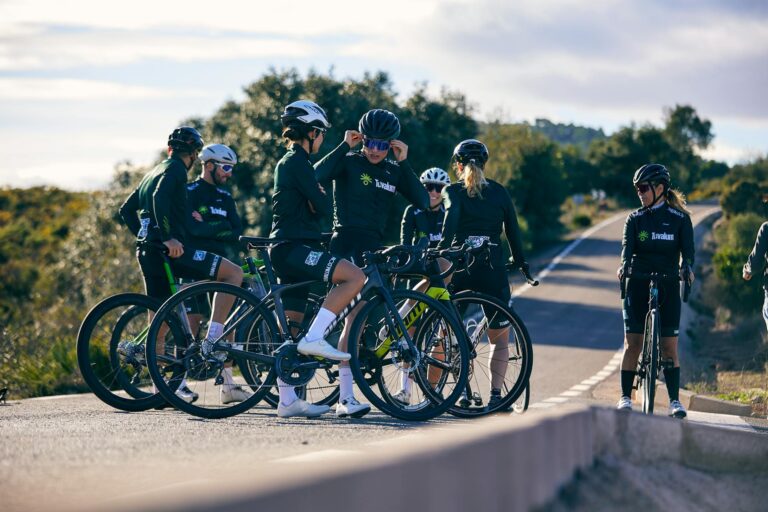
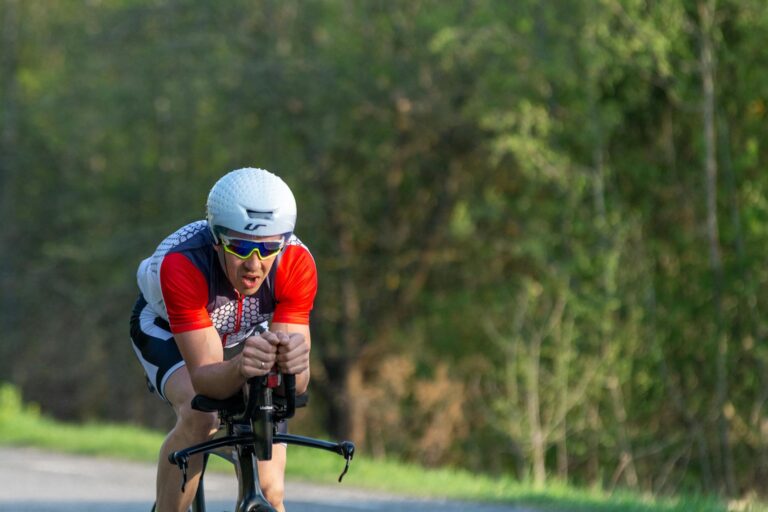
Finding the best gravel bike shoes that work on and off the bike has become one of the most common challenges for riders who want versatility without sacrificing performance. Gravel cycling occupies a unique space in the cycling world””somewhere between the pure efficiency demands of road riding and the rugged durability requirements of mountain biking. The shoes you choose need to handle this duality, providing solid power transfer while pedaling and comfortable walkability when you inevitably need to hike-a-bike up a steep section, grab coffee at a trailside cafe, or explore a scenic overlook on foot. The problem with traditional cycling shoes is their extreme specialization. Road shoes feature aggressive carbon soles and protruding cleats that make walking on hard surfaces awkward at best and dangerous at worst.
Mountain bike shoes offer better walkability but often prioritize downhill grip over all-day comfort. Gravel-specific footwear emerged to address this gap, incorporating recessed cleat pockets, grippier rubber outsoles, and more flexible sole constructions that don’t punish your feet during off-bike excursions. These design choices come with tradeoffs””a shoe that walks beautifully may sacrifice some pedaling stiffness, while a shoe optimized for power transfer might leave your feet aching after a quarter-mile hike. By the end of this guide, you’ll understand exactly what features distinguish exceptional gravel bike shoes from mediocre ones, how different sole technologies affect performance, and which characteristics matter most for your specific riding style. Whether you’re tackling multi-day bikepacking adventures, entering gravel races with mandatory hike-a-bike sections, or simply want shoes versatile enough for your morning commute and weekend trail rides, the information here will help you make an informed decision. The gravel shoe market has matured significantly in recent years, offering options ranging from budget-friendly entry points to premium performance models with aerospace-grade materials.
Table of Contents
- What Makes Gravel Bike Shoes Different From Road and Mountain Bike Shoes?
- Essential Features of High-Performance Gravel Cycling Shoes
- Sole Technology and Stiffness Considerations for Gravel Riding
- Choosing the Right Gravel Shoe for Your Riding Style
- Common Fit Problems and How to Solve Them With Gravel Shoes
- Cleat Setup and Pedal Compatibility for Gravel Applications
- How to Prepare
- How to Apply This
- Expert Tips
- Conclusion
- Frequently Asked Questions
What Makes Gravel Bike Shoes Different From Road and Mountain Bike Shoes?
The fundamental distinction between gravel cycling shoes and their road or mountain counterparts lies in their design philosophy around dual-purpose functionality. Road cycling shoes prioritize maximum power transfer above all else, featuring ultra-stiff carbon fiber soles with a stiffness index often exceeding 12 on manufacturer scales. They use three-bolt cleat patterns that position the foot directly over the pedal spindle with minimal flex. Mountain bike shoes swing toward durability and grip, with chunky rubber lugs designed for scrambling over rocks and roots. Gravel shoes occupy the middle ground, typically offering stiffness ratings between 6 and 10 while incorporating outsole designs that work equally well on pavement, gravel, mud, and packed dirt.
The cleat pocket design represents one of the most critical differentiators. Gravel shoes almost universally use two-bolt SPD-compatible cleat systems with recessed mounting areas. This recessed design means the cleat doesn’t contact the ground when walking, preventing the metallic clicking and instability that road cleats cause. The surrounding rubber tread patterns provide actual grip rather than just protecting the cleat from wear. Premium gravel shoes often feature proprietary rubber compounds borrowed from hiking boot technology, with durometer ratings balanced between grip and durability. Some manufacturers have even partnered with climbing shoe companies like Vibram to develop outsoles specifically engineered for off-bike performance.
- **Sole stiffness balance**: Gravel shoes typically rate between 6-10 on stiffness scales, compared to 12+ for road shoes and 4-8 for trail mountain shoes, providing efficient pedaling without creating hot spots during long rides
- **Cleat system compatibility**: Nearly all gravel-specific shoes use two-bolt SPD-compatible systems, though some accommodating designs accept both two-bolt and three-bolt patterns through interchangeable hardware
- **Walking-optimized outsoles**: Rubber tread patterns extend across the toe and heel areas with varying lug depths (typically 2-4mm) designed for traction on loose surfaces without accumulating mud
Essential Features of High-Performance Gravel Cycling Shoes
When evaluating gravel bike shoes for both on-bike and off-bike performance, several technical features demand close attention. Upper construction materials significantly impact comfort, durability, and weight. Synthetic microfiber uppers dominate the mid-range market, offering good breathability and relatively easy cleaning after muddy rides. Premium options may incorporate knit uppers similar to running shoes, providing exceptional comfort and ventilation but sometimes sacrificing structure and long-term durability. Full-grain leather appears on some adventure-oriented models, aging gracefully and conforming to foot shapes over time while adding modest weight and requiring more maintenance.
Closure systems have evolved dramatically beyond simple laces. BOA dial systems have become nearly ubiquitous on mid-to-high-end gravel shoes, allowing micro-adjustments while riding and distributing pressure evenly across the foot. Single-dial systems work adequately for most riders, while dual-dial configurations permit independent adjustment of forefoot and midfoot tension””valuable for those with unusual foot shapes or who experience hot spots. Traditional laces still appear on many gravel shoes, often covered by protective flaps that prevent snagging on vegetation. Velcro straps, once common, have fallen from favor except as supplementary closures due to their tendency to collect debris and lose grip over time.
- **Upper materials**: Microfiber synthetics offer the best balance of durability, breathability, and value; knit uppers maximize comfort but sacrifice structure; leather provides classic durability for touring applications
- **BOA dial specifications**: Look for the BOA Li2 or IP1-B dials on premium shoes, which offer lifetime guarantees and replacement part availability regardless of shoe manufacturer
- **Heel cup construction**: Internal or external heel cups prevent slippage during walking and pedaling; the best designs use thermoplastic materials that can be heat-molded for custom fit
Sole Technology and Stiffness Considerations for Gravel Riding
The sole construction of gravel bike shoes represents perhaps the most consequential engineering challenge manufacturers face. Too stiff, and the shoe becomes punishing during any significant walking. Too flexible, and pedaling efficiency suffers while hot spots develop on longer rides. Modern gravel shoes address this through composite constructions that layer different materials””typically a structural nylon or carbon plate sandwiched between an insole footbed and the rubber outsole.
The arrangement and density of these materials determine the final stiffness characteristics. Carbon fiber soles have traditionally been the province of pure performance cycling shoes, but gravel-specific carbon options have emerged. These designs often incorporate strategic flex zones or carbon plates that extend only partially across the sole, maintaining stiffness through the ball of the foot while allowing natural flex at the toe for walking. Some manufacturers have developed proprietary carbon weaves that provide vertical compliance (comfort) while resisting torsional flex (efficiency). Nylon composite soles remain excellent choices for most gravel riders, offering 70-85% of the power transfer of carbon at roughly half the price point and with greater durability for walking on abrasive surfaces.
- **Stiffness index interpretation**: Numbers vary between manufacturers; a “10” from one brand may feel quite different from another’s “10,” making in-person testing valuable
- **Flex zone placement**: Quality gravel shoes incorporate articulated toe areas that allow natural walking motion without compromising the critical pedaling zone under the ball of the foot
- **Outsole rubber compounds**: Softer compounds (55-60 durometer) provide better grip but wear faster; harder compounds (65-70 durometer) last longer but can feel slippery on wet rocks

Choosing the Right Gravel Shoe for Your Riding Style
Selecting gravel cycling footwear requires honest assessment of your actual riding patterns rather than aspirational goals. A rider who primarily sticks to smooth gravel rail trails with occasional pavement sections has fundamentally different needs than someone tackling technical singletrack mixed with gravel roads. Similarly, competitive gravel racers prioritize different features than bikepacking adventurers who may spend hours walking through hike-a-bike sections or exploring on foot at destinations. For racing-focused gravel riders, lean toward shoes with stiffer soles (stiffness index 8-10), aggressive heel retention systems, and lighter overall weight.
The walking sections in events like Unbound Gravel or Belgian Waffle Ride are typically short enough that some walking discomfort is an acceptable tradeoff for improved pedaling performance over hundreds of miles. Conversely, bikepacking and adventure riding demand shoes that function almost as hiking boots that happen to accept cleats. Look for lower stiffness ratings (6-8), more substantial rubber lugs, and uppers that can handle repeated wet-dry cycles without degrading. Commuters and casual riders often find the best value in mid-range shoes that don’t excel in any single category but perform adequately across all conditions.
- **Racing priorities**: Lightweight construction (under 350g per shoe), stiff carbon or carbon-composite soles, streamlined low-profile designs that won’t catch on vegetation
- **Bikepacking priorities**: Durable uppers with reinforced toe boxes, deeper lug patterns for hiking traction, compatibility with toe covers or waterproof overshoes, quick-drying materials
- **Commuting priorities**: Everyday aesthetic that doesn’t scream “cycling shoe,” reflective elements for visibility, easy-clean surfaces, and closure systems that don’t require precise adjustment
Common Fit Problems and How to Solve Them With Gravel Shoes
Fit issues plague cyclists across all disciplines, but gravel riders face unique challenges due to the dual demands placed on their footwear. The same shoe must accommodate the specific positioning requirements of efficient pedaling while also functioning during extended walking without causing blisters or pressure points. Hot spots””those burning sensations under the ball of the foot during long rides””represent the most common complaint. They typically result from inadequate arch support, insufficient sole stiffness, or incompatible cleat positioning rather than poor shoe choice.
Width accommodation deserves particular attention. Many cycling shoe manufacturers use last shapes developed for relatively narrow European feet, leaving riders with wider American or flat feet struggling to find comfortable options. Several brands now offer wide-specific models rather than simply scaling up standard designs, with actual volume adjustments in the toe box and midfoot areas. Custom insoles from brands like Superfeet, Specialized BG, or Solestar can transform an otherwise uncomfortable shoe by providing appropriate arch support and improving heel lock. For riders with significant fit challenges, heat-moldable shoes from manufacturers like Bont, Lake, or Sidi offer the ultimate customization, though they come with premium price tags.
- **Hot spot remedies**: Upgrade to supportive insoles before abandoning otherwise good shoes; adjust cleat position 1-2mm rearward; consider stiffer sole construction
- **Width solutions**: Lake, Bont, and Shimano offer consistently wider fits than average; Giro and Fizik tend toward narrower profiles
- **Heel slippage fixes**: Ensure the heel cup sits against your heel bone rather than above it; try heel lock lacing patterns; consider brands known for aggressive heel retention like Sidi
Cleat Setup and Pedal Compatibility for Gravel Applications
The relationship between gravel bike shoes and pedals extends beyond simple compatibility into the realm of system optimization. While virtually all gravel shoes accept standard SPD two-bolt cleats, the pedal side of the equation offers meaningful choices that affect on-bike performance and off-bike walkability. Traditional SPD pedals provide good mud-shedding capability and reliable engagement but offer relatively small contact platforms. Newer gravel-specific pedals from manufacturers like Shimano (PD-ES600), Crankbrothers (Eggbeater), and Time (ATAC XC) address platform size, float characteristics, and release tension in ways that complement gravel shoe designs.
Cleat positioning profoundly affects both pedaling biomechanics and walking comfort. The general starting point places the cleat so the ball of your foot sits directly over the pedal spindle, but gravel riders often benefit from positioning cleats 5-10mm further back than road cycling norms suggest. This rearward placement reduces strain on the Achilles tendon, diminishes hot spots during long efforts, and creates a more natural walking feel since less weight concentrates on the cleat area. Float adjustment””how much the heel can rotate before the cleat releases””typically works best at moderate settings (4-6 degrees) for gravel riding, accommodating the varied body positions gravel terrain demands.
How to Prepare
- **Measure your feet accurately at the end of the day** when they’re slightly swollen, simulating conditions after several hours of riding. Trace both feet on paper and measure the longest and widest points, as many people have different-sized feet that may require sizing up to accommodate the larger one.
- **Assess your arch type and any existing orthotics** by performing a wet footprint test or consulting a running store’s gait analysis service. High arches typically need more volume in the midfoot area, while flat feet benefit from shoes with structured arch support or aftermarket insoles.
- **Inventory your current pedal system** and determine whether you want to maintain compatibility or switch to a different standard. Changing pedals simultaneously with shoes adds variables that complicate fit assessment, so keeping one constant helps isolate problems.
- **Define your primary use case honestly** by reviewing your last twenty rides and categorizing them by terrain, duration, and how much walking each involved. This data-driven approach prevents optimizing for aspirational riding you rarely actually do.
- **Establish your budget range** with the understanding that gravel shoes typically cost 15-25% more than equivalent road shoes due to their more complex construction, and that quality options generally start around $150 with premium models reaching $400+.
How to Apply This
- **Try multiple brands and models** at a local shop if possible, wearing the socks you’ll actually ride in and spending at least ten minutes walking around in each pair to assess comfort beyond initial impressions.
- **Test the walking feel on varied surfaces** including hard floors, carpet, and ideally outdoor terrain, paying attention to how the sole flexes, whether the cleat area contacts the ground, and how secure your heel feels.
- **Simulate pedaling motion** by standing on one foot and pressing down through the ball of that foot repeatedly, checking for pressure points, heel lift, or toe cramping that would worsen over hundreds of pedal strokes.
- **Order from retailers with generous return policies** if buying online, recognizing that cycling shoes often require trying multiple sizes since brands vary significantly and your cycling shoe size may differ from your casual shoe size by a half to full size.
Expert Tips
- **Break in new gravel shoes gradually** by wearing them on progressively longer rides over two to three weeks before any significant events, allowing uppers to conform and identifying hot spots before they become race-day problems.
- **Carry spare cleats and bolts on bikepacking trips** since the walking demands of loaded touring accelerate wear on both components, and a lost bolt fifty miles from the nearest town can turn a trip-ending emergency into a minor delay.
- **Apply anti-seize compound to cleat bolts** during installation to prevent corrosion that makes future adjustments or replacements frustratingly difficult, especially relevant for gravel shoes that frequently encounter water, mud, and grit.
- **Consider seasonal shoe rotation** if you ride year-round in varied climates””a lighter, more breathable shoe for summer and a more weather-resistant option with toe cover compatibility for colder months extends the lifespan of both pairs.
- **Document your cleat position** with photos and measurements before making any adjustments, creating a baseline you can return to if experimental changes don’t work out and saving significant time during replacement shoe setup.
Conclusion
Selecting gravel bike shoes that perform well both on and off the bike requires balancing competing priorities rather than seeking perfection in any single dimension. The best choice depends on your specific blend of riding styles, terrain preferences, and physical characteristics. A shoe that earns rave reviews from a gravel racer may disappoint a bikepacker, and vice versa. Understanding the engineering tradeoffs between sole stiffness, walking comfort, and durability empowers you to evaluate options against your actual needs rather than marketing claims.
The gravel cycling footwear market continues evolving rapidly, with manufacturers learning from rider feedback and borrowing technologies from adjacent industries like trail running and hiking. Features that seemed innovative three years ago have become standard expectations, while new developments in materials science and construction methods push performance boundaries higher. Whatever shoe you choose, remember that fit trumps features””a perfectly designed shoe that doesn’t match your foot shape will never perform as well as a simpler design that fits correctly. Take the time to find footwear that works for your feet, your riding, and your adventures, then stop worrying about equipment and focus on exploring the countless gravel roads waiting to be discovered.
Frequently Asked Questions
How long does it typically take to see results?
Results vary depending on individual circumstances, but most people begin to see meaningful progress within 4-8 weeks of consistent effort. Patience and persistence are key factors in achieving lasting outcomes.
Is this approach suitable for beginners?
Yes, this approach works well for beginners when implemented gradually. Starting with the fundamentals and building up over time leads to better long-term results than trying to do everything at once.
What are the most common mistakes to avoid?
The most common mistakes include rushing the process, skipping foundational steps, and failing to track progress. Taking a methodical approach and learning from both successes and setbacks leads to better outcomes.
How can I measure my progress effectively?
Set specific, measurable goals at the outset and track relevant metrics regularly. Keep a journal or log to document your journey, and periodically review your progress against your initial objectives.
When should I seek professional help?
Consider consulting a professional if you encounter persistent challenges, need specialized expertise, or want to accelerate your progress. Professional guidance can provide valuable insights and help you avoid costly mistakes.
What resources do you recommend for further learning?
Look for reputable sources in the field, including industry publications, expert blogs, and educational courses. Joining communities of practitioners can also provide valuable peer support and knowledge sharing.