The best bike tour operators combine experienced guides, well-maintained equipment, and thoughtfully designed routes that match your skill level and interests. Companies like Backroads, VeloCittà, and BikeHike Adventures have built reputations by focusing on the complete experience—not just pedaling from point A to point B. For example, Backroads’ multi-day tours through the Italian countryside include carefully selected accommodation, cooking classes, and wine tastings alongside 30-50 miles of daily cycling, creating an immersive experience rather than a purely athletic endeavor.
When choosing a guided bike tour operator, you’re paying for expertise that eliminates the logistical headaches of self-planned trips. Your guide handles navigation, provides mechanical support for bike issues, manages pace to accommodate different abilities within your group, and knows the local culture and best stopping points that a generic map can’t teach you. The difference between booking with a professional operator and attempting to self-guide comes down to safety margins, local knowledge, and the confidence that comes with having a trained leader who’s ridden these routes dozens of times.
Table of Contents
- What Makes a Top-Tier Bike Tour Operator?
- Regional Specialization and Route Quality
- Experience Levels and Route Difficulty
- Budget Considerations and Hidden Costs
- Group Dynamics and Pacing Challenges
- Bike Quality and Mechanical Support
- Sustainability Practices and Future Trends
- Conclusion
- Frequently Asked Questions
What Makes a Top-Tier Bike Tour Operator?
A quality bike tour operator distinguishes itself through several measurable factors: guide training and certification, small group sizes (typically 8-16 people maximum), support vehicle presence on routes, and transparent pricing that doesn’t hide costs for meals or accommodations. Look for operators that maintain their own fleet of bikes or partner with reliable local shops, offer bike fitting services on the first day, and provide detailed pre-trip information about the terrain, daily mileage, and fitness requirements. Companies like Trek travel and Butterfield & Robinson invest heavily in guide education, requiring their leaders to hold first aid certifications and complete regular refresher training on the specific routes they lead.
The support vehicle is a critical detail that separates amateur operations from professional ones. On longer tours—especially in mountainous terrain—a support van carries supplies, provides water and nutrition stops every 10-15 miles, and offers escape routes if someone becomes fatigued or injured. Some operators will pick you up from the road if you decide you can’t finish a stage, though the best ones design routes where most participants finish under their own power.

Regional Specialization and Route Quality
Different operators excel in different regions based on their local partnerships and expertise. European operators like Exodus Travels and Duvine have deep relationships with small hotels and regional restaurants across the continent, offering access that independent travelers struggle to secure. In contrast, North American operators like Adventure Life and REI Adventures focus on landscapes—the Pacific Coast, the Rocky Mountains, the Great Lakes—and their routes take advantage of bike paths and quiet back roads that aren’t always obvious to outsiders.
A limitation to consider: specialization can create gaps in other regions. A company renowned for its European tours might have minimal experience in Southeast Asia or the Americas, and their Asia-specific tours could feel less refined than their flagship offerings. Also, regional specialization sometimes means premium pricing in popular areas. A 7-day tour of the Tuscan countryside from a major operator might cost $3,500-$4,500, whereas the same loop with a smaller local operator might run $2,000-$2,800—though you may sacrifice some coordination and support infrastructure at that lower price point.
Experience Levels and Route Difficulty
The best operators clearly categorize their tours by ability and provide honest difficulty ratings rather than marketing-speak. Backroads labels routes as “Easy,” “Moderate,” or “Challenging,” and defines each: Easy means flat terrain with daily distances under 25 miles and support for less confident riders; Challenging involves 50+ mile days, significant elevation gain, and minimal support for slower pace. Understanding the real difference prevents the common mistake of signing up for a “moderate” tour and discovering your group averages 16 mph on a route you expected to be leisurely.
Some operators like Trek Travel and Butterfield & Robinson offer multiple experience tracks within a single tour. On a week-long Greece tour, Option A might cover 35 miles daily with rolling hills and island-hopping, while Option B hits 50+ miles over steeper terrain. Both groups stay in the same hotels and eat together, but they follow different daily routes. This solves the problem that solo travelers or couples with different fitness levels face—you don’t have to choose between compromising your fitness level or vacationing separately.
Budget Considerations and Hidden Costs
Comparing bike tour pricing requires looking beyond the stated per-person cost. All-inclusive operators like Backroads and Exodus Travels bundle accommodation, all meals, bike rental, guide services, and ground transport, meaning a quoted $3,200 for six days is the actual final cost. Other operators quote only the tour fee ($1,500) and expect you to pay for lodging ($100-200/night), meals ($300-400 for the week), and possibly bike rental ($200-400). A tour advertised at $1,500 can easily become $3,200 when you account for these add-ons.
International tours introduce another variable: some operators include airfare from major U.S. cities, while others require you to arrange your own travel and meet the group at the starting point. Small-group operators targeting adventurous, experienced cyclists might use basic 2-star accommodations and prepare simple meals to keep costs down, resulting in excellent value; those same companies can feel spartan if you’re accustomed to comfortable hotels and restaurant dining. Reading recent trip reviews reveals this quickly—participants consistently mention lodging quality and meal satisfaction.
Group Dynamics and Pacing Challenges
A persistent complaint about guided bike tours: the pace is dictated by the slowest riders, or conversely, the guide sets a pace that frustrates faster cyclists wanting to push harder. The best operators mitigate this by setting multiple starting times each morning—say, an 8:00 AM departure for stronger riders covering 50 miles and a 9:00 AM departure for those preferring 30 miles—with both groups converging at lunch and meeting back at the hotel in the evening. This requires additional guide resources but prevents anyone from feeling coddled or rushed.
Another limitation: weather and physical condition issues emerge during multi-day tours that home training doesn’t predict. You might handle 40 miles on flat pavement at home but struggle with 35 miles of climbing in altitude on day four. Good operators provide detailed packing lists, recommend specific training regimens six weeks before departure, and maintain realistic turnaround times. They also communicate expectations clearly: if the tour uses older bike models without modern components, you’ll have a harder time on technical sections compared to using a contemporary gravel bike.
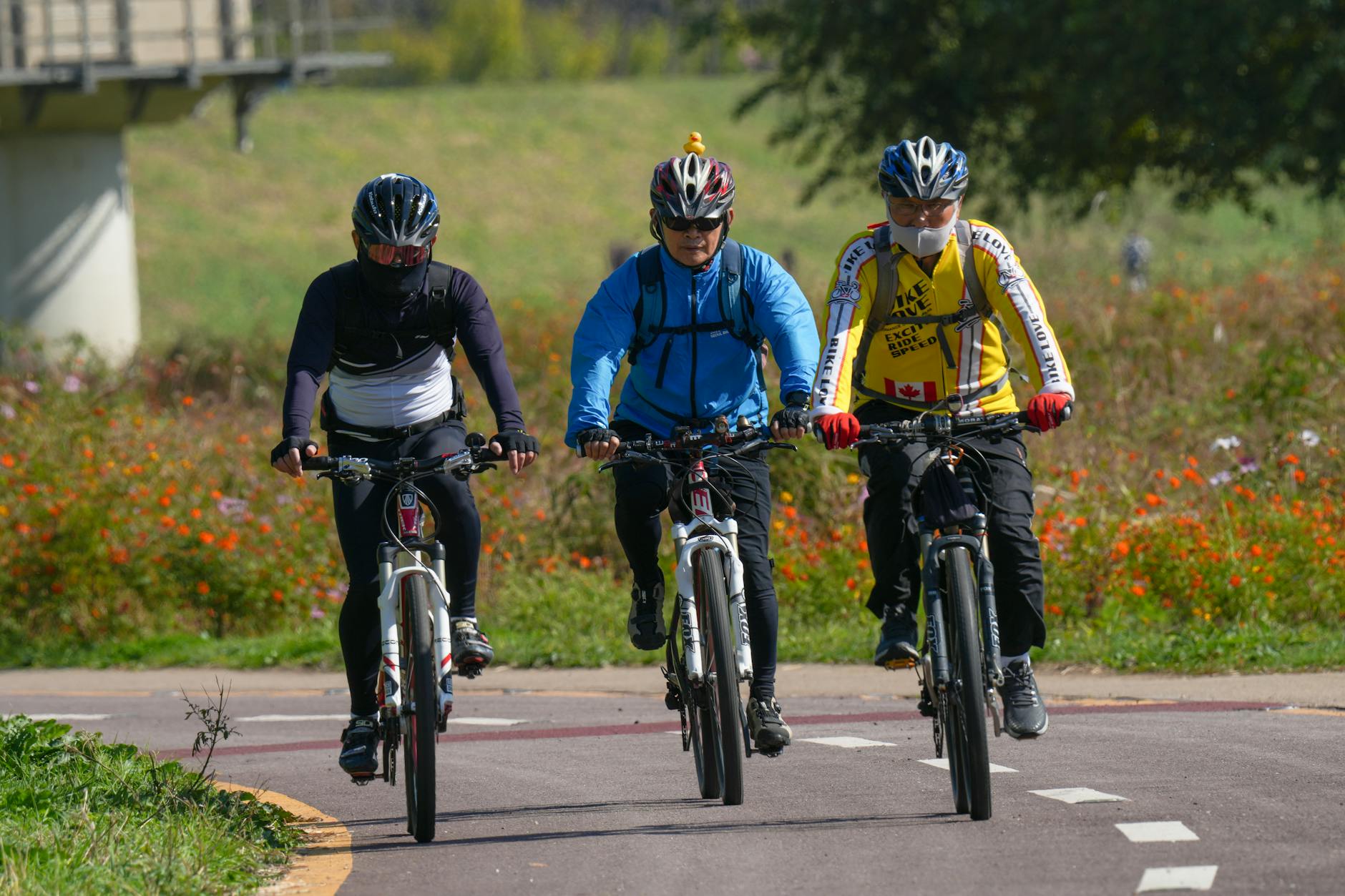
Bike Quality and Mechanical Support
Equipment matters more on longer tours. Operators who invest in recent-model bikes with reliable components—hydraulic disc brakes, modern drivetrains, comfortable saddles—will have participants more satisfied and fewer mid-tour mechanical issues. Check whether the operator owns and maintains its own bikes or outsources to local rental shops. Companies like Butterfield & Robinson and Backroads own their fleets and perform scheduled maintenance between tours.
Smaller operators sometimes partner with local bike shops, which works well if the relationship is established; it fails if the shop doesn’t have spare parts or the bikes are neglected between tours. For technical tours—gravel bikepacking, mountain bike adventures—the bikes and support become even more critical. A gravel tour across the American West demands tires with appropriate tread, multiple gear ratios for climbing, and repair kits for flats far from towns. REI Adventures and similar outdoor-focused operators provide specialized equipment for these trips.
Sustainability Practices and Future Trends
Modern bike tour operators increasingly emphasize low-impact travel, using local guides from destination countries, supporting small family-run accommodations rather than hotel chains, and minimizing vehicle support when possible. Operators like Responsible Travel and Natural Habitat Adventures certify their practices against environmental standards. This trend matters if sustainable tourism aligns with your values, but it sometimes correlates with higher prices and more basic accommodations—you’re paying partly for the ethical sourcing, not purely for luxury or convenience.
The sector is also expanding into gravel and e-bike tours. E-bike tours are reshaping accessibility: riders of varying fitness levels can now handle 40-50 mile days together without the fastest runners having to wait. This has opened guided tours to older riders, those with joint issues, and cyclists wanting to explore longer distances without exhausting training. Companies like Trek Travel and Adventure Life now offer multiple e-bike tour options across Europe and North America.
Conclusion
Selecting the right bike tour operator depends on clarifying your priorities: Are you seeking a challenging athletic experience, a relaxed cultural immersion, good value, or minimal logistical burden? Once you’ve identified your priorities, check whether an operator specializes in your target region, read recent participant reviews (not marketing materials), and verify what’s actually included in the quoted price. The best operators provide transparent pricing, honest difficulty ratings, small groups, experienced guides, and reliable support—qualities reflected in participant reviews and visible through their commitment to guide training and equipment maintenance.
Start by visiting the websites of operators specializing in your destination and downloading their detailed itineraries—these show exactly what you’ll see, how far you’ll ride each day, and what accommodations look like. Reach out directly with questions about group size, guide experience, and bike specifications. A good operator welcomes detailed questions because they know a well-matched participant has the best experience and becomes a loyal customer and referrer.
Frequently Asked Questions
How far in advance should I book a bike tour?
Peak-season tours (summer in Europe, fall in North America) book 3-6 months ahead. Off-season tours might fill closer to departure, offering late-booking discounts. Small-group operators often have limited availability regardless of season.
What if I get injured or can’t finish the tour?
Quality operators include support vehicles and guides trained to manage these situations. Most won’t charge extra for support transportation back to your hotel if you can’t complete a stage. Verify this policy before booking—it varies by operator.
Do I need to be a competitive cyclist to join?
No. Most mainstream operators have “easy” and “moderate” options specifically designed for recreational riders. Read the specific difficulty description carefully—”moderate” varies widely between operators.
Are bike rental fees included in the tour price?
It depends on the operator. All-inclusive companies like Backroads include rentals; others charge $50-$300 extra per week. Check the booking details before finalizing.
Should I arrive early to adjust to the destination?
Yes, especially for international tours or high-altitude routes. Arriving 1-2 days early allows for jet lag recovery, bike fitting, and acclimatization. Many operators offer optional arrival packages for this purpose.
What’s the typical group size on guided bike tours?
Most range from 8-20 people. Smaller groups (8-12) offer more personalized attention; larger groups (16-20) sometimes offer better pricing through economy of scale.