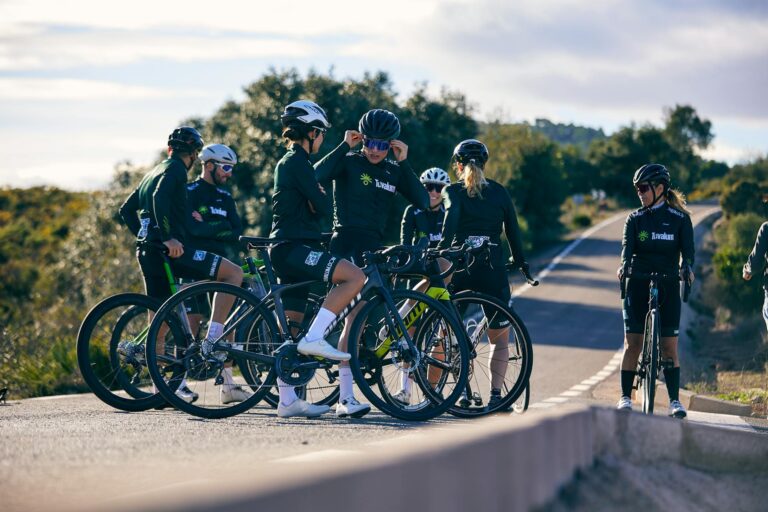
The best bike paths for families with young children share common characteristics: they’re flat, paved, separated from vehicle traffic, and offer amenities like restrooms and parking. Rail-to-trail conversions consistently rank among the top choices because former railroad corridors were engineered with gentle grades that young riders can handle without exhausting themselves. Paths like the Spanish Moss Trail in South Carolina, with its 10 miles of smooth, mostly flat surface, two restrooms, and six parking areas, exemplify what families should look for. The Minuteman Bikeway in Massachusetts and the Jacksonville-Baldwin Rail Trail in Florida follow similar formulas that have made them regional favorites. These dedicated trails matter more than casual riders might assume.
Off-street paved trails support an estimated 21 percent of all bicycle-distance ridden in the United States despite representing only 3 percent of paved rideable area, according to national transportation data. Protected paths reduce crashes and improve safety outcomes compared to on-road cycling, which explains why families gravitate toward them. Americans took approximately 2.2 billion bike trips in 2022, with 52 percent for social or recreational purposes, and families with young children account for a meaningful share of that recreational riding. This article covers specific trail recommendations across five U.S. regions, explains what features to prioritize when evaluating paths near you, addresses safety considerations that research actually supports, and offers practical guidance on making family rides successful. Whether you live in a major metro area with expanding trail networks or a smaller community with a single converted rail corridor, the principles for finding suitable paths remain consistent.
Table of Contents
- What Makes a Bike Path Safe for Families With Young Children?
- Regional Trail Recommendations for the Northeast
- Finding the Right Trail in the Southeast
- Midwest Trails That Work for Young Families
- What to Know About Northwest Family Cycling Paths
- The Razorback Greenway Model for Mixed-Skill Families
- Trail Safety Data Parents Should Actually Trust
- Conclusion
What Makes a Bike Path Safe for Families With Young Children?
The defining feature of a family-friendly bike path is physical separation from motor vehicles. Young children lack the judgment and reaction time to navigate mixed traffic, and even experienced adult cyclists face elevated risks when sharing roads with cars. Protected bike lanes and dedicated trails demonstrably reduce crash rates, which is why infrastructure advocates have pushed cities to expand separated networks. Multiple cities expanded their trail networks in 2025, with ongoing efforts to connect smaller trails to larger regional systems continuing into 2026. Rail-to-trail conversions consistently outperform other path types for young families because railroad engineering favored gradual grades. Trains couldn’t climb steep hills, so historic rail corridors follow terrain contours that translate into manageable slopes for five-year-olds on training wheels.
The Banks-Vernonia State Trail in Oregon, the state’s first rail-to-trail conversion at 21 miles, features 13 historic bridges along its route, and its former railroad grade means families encounter no significant climbs. The Henry Hudson Trail in New Jersey offers 24 miles of paved, 10-foot-wide flat surface along a former railroad route, wide enough that faster cyclists can pass families without creating dangerous situations. Surface quality matters nearly as much as grade. Young riders on small-wheeled bikes struggle with gravel, roots, and cracked pavement. Paved asphalt paths with regular maintenance give children confidence and reduce the falls that can turn a family outing into a crying session. The Minuteman Bikeway’s 10.1 miles of paved asphalt from Cambridge to Bedford demonstrates the standard families should seek.

Regional Trail Recommendations for the Northeast
The Northeast offers several standout options despite its population density and older infrastructure. The Minuteman Bikeway connects Cambridge to Bedford through 10.1 miles of paved trail that passes through historic Lexington, making it possible to combine cycling with educational stops about the Revolutionary War. Traffic at popular hours can be heavy, so families with very young or unpredictable riders may want to start early on weekends. New York City families have more options than the urban environment might suggest. Central Park’s car-free sections create protected loops with minimal traffic hazards, though pedestrian density requires attention.
The Rockaway Beach Boardwalk offers a different experience: a flat waterfront path from Beach 19 to Beach 126 shared with pedestrians. The waterfront setting keeps children engaged, though the shared-use nature means teaching kids to watch for walkers. However, if your family includes children under age five or riders still using training wheels, some otherwise excellent trails become less practical. The Minuteman Bikeway’s popularity means sections near Lexington Center see heavy weekend traffic from fitness cyclists, runners, and dog walkers, which can overwhelm beginning riders. Starting from the Bedford end or choosing weekday mornings reduces these conflicts.
Finding the Right Trail in the Southeast
The Southeast’s mild climate extends the riding season, making trail selection particularly valuable for families in this region. The Spanish Moss Trail in South Carolina stands out for its thoughtful amenities: 10 miles of smooth, mostly flat surface with two restrooms and six dedicated parking areas. Restroom access matters more than non-parents might realize; a trail without facilities limits how far young children can ride before biological necessity forces a turnaround. The Swamp Rabbit Trail, also in South Carolina, extends over 20 miles along an old train bed with a gentle grade that keeps young legs from tiring prematurely.
The Jacksonville-Baldwin Rail Trail in Florida provides 14.5 miles of flat, paved, car-free corridor along a former railway line, demonstrating how Florida’s relatively flat terrain creates natural advantages for family cycling. One limitation in the Southeast: summer heat and humidity can make midday rides miserable and potentially dangerous for children who don’t recognize dehydration symptoms. Trails with shade cover, like sections of the Swamp Rabbit Trail that pass through wooded areas, become significantly more valuable during peak summer months. Families should plan rides for early morning or late afternoon during June through September and ensure access to water along the route.

Midwest Trails That Work for Young Families
The Midwest’s rail-trail network ranks among the country’s most developed, offering families numerous options. The Dakota Rail Regional Trail has become a popular choice in the Twin Cities west metro, with infrastructure designed for mixed-skill groups. The Stone Arch Bridge and West River Parkway in Minneapolis offer a particularly appealing combination: a historic bridge closed to vehicles that creates a pedestrian and cyclist-only crossing with downtown views, connected to parkway trails along the Mississippi River. The Luce Line State Trail demonstrates both the opportunities and tradeoffs in trail selection. Its 63 miles of crushed limestone on a former railroad grade offer tremendous distance for families ready for longer adventures, but the crushed limestone surface differs from paved asphalt.
Crushed limestone drains well and provides a softer landing for falls, but it creates more rolling resistance than pavement. Children on small bikes with narrow tires may find it harder going than they expect, and the surface can become loose in dry conditions. For families debating between paved and crushed limestone trails, consider your children’s experience level and bike type. Paved trails favor beginners and smaller bikes with thinner tires. Crushed limestone works well for slightly older children on bikes with wider tires and provides a more forgiving surface for the inevitable spills that accompany learning.
What to Know About Northwest Family Cycling Paths
The Pacific Northwest has invested heavily in cycling infrastructure, and the results show in trail quality. The Springwater Corridor near Portland extends 40 miles with a flat profile that makes it excellent for beginners. Families can ride as much or as little as their youngest member can handle without encountering hills that transform fun into frustration. The trail connects to Portland’s broader network, meaning families can eventually expand their range as children develop stamina and skill. The Banks-Vernonia State Trail deserves special mention as Oregon’s first rail-to-trail conversion.
Its 21 miles feature 13 historic bridges that break up the ride with visual interest, which matters when you’re trying to keep a seven-year-old engaged. The Elliott Bay Trail in Seattle provides car-free sections with accessible access points, important in a city where hills otherwise dominate the terrain. A warning for Northwest families: these trails see different conditions throughout the year. Summer months offer ideal riding weather, but Pacific Northwest trails can be wet from October through May. Wet crushed limestone becomes slippery, and even paved trails require more cautious riding when damp. Check conditions before heading out during the rainy season, and recognize that your comfortable June route may need adjustment in February.
The Razorback Greenway Model for Mixed-Skill Families
The Razorback Greenway in Bentonville, Arkansas, represents an increasingly common trail design that solves a particular family challenge. The paved trail runs parallel to dirt trails, allowing families to ride together even when members have different skill levels and preferences. A parent with a mountain biking background can take the dirt path while their child stays on pavement, maintaining visual contact and the sense of riding together without forcing everyone onto the same surface.
This parallel design addresses one of family cycling’s persistent tensions: parents who want exercise and challenge often find dedicated family paths understimulating, while children who need safe, flat surfaces can’t join parents on more technical routes. The Razorback Greenway’s approach keeps families together while acknowledging different needs. As trail networks expand nationwide, this model appears in more designs, though it requires sufficient corridor width that not all conversions can accommodate.
Trail Safety Data Parents Should Actually Trust
Parental anxiety about trail safety often focuses on the wrong concerns. Research on trail effects shows that crime and nuisances decrease or remain the same after trail construction, contradicting assumptions that trails attract problems. The isolation some parents fear actually correlates with lower incident rates than public roads where children might otherwise ride. The more relevant safety consideration involves preparation and communication.
Children need to understand trail etiquette before they ride: staying right, signaling before stopping, not swerving unpredictably. Parents should ride behind young children to monitor behavior and ahead only when they’ve established that a child reliably follows verbal directions. Establishing clear protocols for what happens when faster cyclists approach from behind prevents the panicked swerves that cause the falls that cause the injuries. Helmet use remains non-negotiable, but families should also consider visibility. Even on car-free trails, low-light conditions reduce how far ahead cyclists can see, and dawn or dusk rides increase the chance of collisions between trail users traveling at different speeds.
Conclusion
Finding the right bike path for your family comes down to matching trail characteristics to your children’s current abilities. Flat, paved, car-free trails with restroom access and parking represent the standard, and rail-to-trail conversions deliver these features more consistently than other trail types. The Spanish Moss Trail, Minuteman Bikeway, Jacksonville-Baldwin Rail Trail, and Springwater Corridor all exemplify what works, whether you’re in the Southeast, Northeast, or Pacific Northwest.
Start with short rides on the most accessible section of your local trail, establish protocols for trail etiquette and what to do when faster users approach, and gradually extend distance as your children build stamina and confidence. The 21 percent of bicycle-distance ridden on off-street trails shows that families have found these paths and use them extensively. Your local options may not match the showcase trails mentioned here, but the same evaluation criteria apply: look for flat grades, good surfaces, separation from cars, and amenities that support longer rides as your family develops its cycling habit.