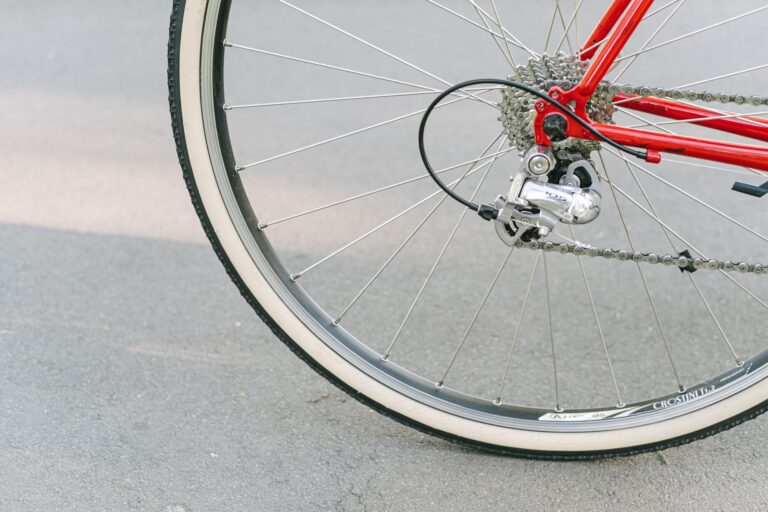
Bicycle chain lubricants force a tradeoff: formulas that cling in rain and last longer tend to persist in soil and water, while formulas that break down faster tend to wash off sooner. Aquatic toxicity means harm to water life such as algae, insects, and fish, and biodegradability means breakdown by microbes into simpler substances. A chain needs only a thin film inside the rollers to run quietly. Excess oil on the outside does little for wear and becomes the part most likely to fling off, wash off, and reach paths, puddles, and streams.
Table of Contents
- Why chain lube reaches water
- What the tradeoff looks like
- How to spot greenwashing
- Lower-impact ways to lube and ride
Why chain lube reaches water
Riding, cleaning, and lubing all move small amounts of lubricant off the bike. Rain rinses residue from the chain, frame, and roadway toward drains and ditches. Home washing can do the same when rinse water runs across a driveway into a gutter.
The amount from one bike is small, but it adds up along busy trails and roads. Wet lube generally resists wash-off better, so less reaches water per ride. Dry lube and light oils shed more easily, especially in rain or creek crossings.
What the tradeoff looks like
Long-lasting lubricants often use heavier base oils, tackifiers, and anti-wear additives that help them stay put. Those same traits can slow microbial breakdown and increase exposure for small water organisms. Faster-breaking plant oils and light carriers may degrade more readily but need frequent reapplication.
More frequent application means more bottles used, more rags soiled, and more wash water. It can also mean a noisier or faster-wearing drivetrain if the chain runs dry. The lowest-impact choice balances durability, dose size, and where you ride.
How to spot greenwashing
Labels such as green, eco, non-toxic, and biodegradable have different meanings and are not always defined on the package. A plant-based ingredient does not guarantee low harm to water life, because additives, solvents, and wear metals still matter.
A "biodegradable" claim without test conditions tells little about ponds, cold streams, or roadside soil. Watch for these warning signs: Prefer products that list base-oil type, hazard warnings, chain-specific dosing, and cleanup guidance. Clear dose and wipe instructions often matter more than a leaf logo.
- broad green wording with no ingredient list or use directions
- "non-toxic" with no statement of what organism or exposure it refers to
- "biodegradable" with no share broken down, time frame, or test method
- images of leaves or water that replace concrete disposal and cleanup advice
Lower-impact ways to lube and ride
Use the least lube that keeps the chain quiet. Apply one drop per roller, let it soak in, then wipe the outer plates firmly. A dry rag after every wet ride removes grit that would otherwise grind the drivetrain and demand harsher cleaning.
Clean over grass or gravel where soil can trap drips, not over a drain. Catch used rags, worn chains, and dirty solvent in a sealed container and take them to household hazardous-waste collection. For wet climates, a durable wax or high-retention lube applied sparingly often beats a thin oil reapplied heavily before every ride.
You Might Also Like
- Aquatic toxicity and biodegradability tradeoffs in bicycle chain lubricants: What Manufacturers, Shops, and Cyclists Should Compare
- Aquatic toxicity and biodegradability tradeoffs in bicycle chain lubricants: How Claims, Metrics, and Environmental Impacts Can Be Verified
- Aquatic toxicity and biodegradability tradeoffs in bicycle chain lubricants: Current Technologies, Evidence, and Practical Limits