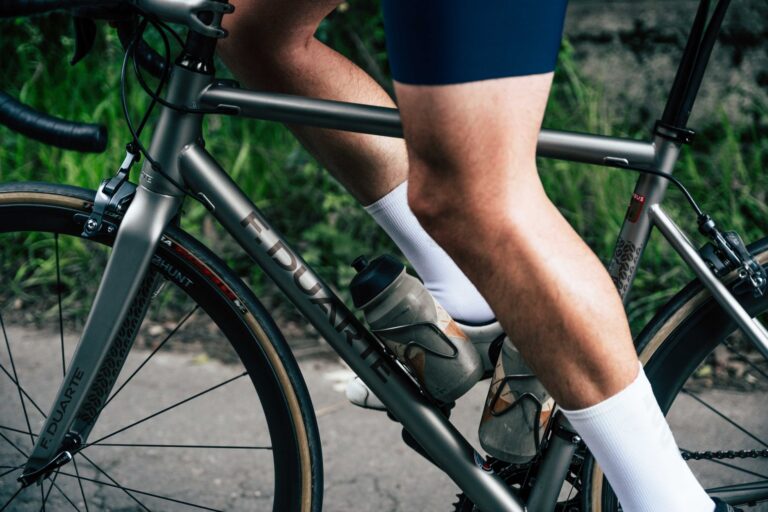
High-performance bikes for competitive cyclists in 2026 are faster, more integrated, and more purpose-built than ever, with manufacturers pushing aerodynamics, weight savings, and rider-specific tuning across road, gravel, and mountain disciplines.
Manufacturers and new entrants
– Big brands and lifestyle manufacturers are expanding into high-performance cycling in 2026, bringing fresh design language and motorsport-inspired thinking to bicycles[1].
– Traditional race-focused companies continue to refine aero frames, lightweight climbing bikes, and versatile all-road platforms, keeping product lines tuned for specific race tasks like crits, stage races, and gravel events[3][2].
Key technology trends
– Aerodynamics remains a primary performance lever. Modern aero road frames are optimized in wind tunnels and real-world rider testing to save watts at race speeds while balancing handling and comfort[3].
– Integration is widespread: fully integrated cockpits, hidden cables, and bespoke stem/handlebar shapes lower drag and improve stiffness where it matters for sprints and hard efforts[3][2].
– Weight and stiffness optimization use advanced carbon layups and selective reinforcement: frames target low mass for climbing without sacrificing power transfer in sprints and accelerations[2][3].
– Wider tire compatibility: race bikes increasingly accept 28 mm and larger race tires (and gravel bikes take much wider tires), letting riders choose lower pressures for rolling resistance and traction without losing speed[3][4].
– Electronic shifting and wireless groupsets are standard at the high end, offering precise, reliable shifts and easy gearing choices for varied race conditions[4][2].
– E-bikes and pedal-assist race-adjacent models appear in performance lineups, especially for off-road and mountain categories, blending motor assistance with high-end bike geometry and components[1].
Discipline-specific developments
– Road racing: Top aero superbikes prioritize straight-line speed while newer models also try to keep responsiveness on twisty descents and climbs; some manufacturers trade extreme aero for better all-round handling depending on targeted race use[3][2].
– Gravel racing: The split between pure gravel race bikes and adventure-capable all-road machines is clearer in 2026; some gravel race frames chase aero and low weight, while others focus on payload capacity, relaxed geometry, and wider gear ranges for long mixed-terrain events[4][5].
– Cross-country and mountain: Suspension kinematics, wheel-size experimentation, and lightweight XC race platforms continue to evolve, with industry discussion about larger or alternative wheel sizes for specific race advantages[7].
Frame and component choices for racers
– Choose geometry by race type: aggressive, low-stack frames for crits and time trials; slightly higher stack and more compliance for stage races and long classics[3][2].
– Components: high-end carbon wheels tuned for the race profile (deep-section for flat, shallower/ lighter for climbing) and race-specific tire choices remain crucial for performance gains[3][2].
– Drivetrain: 12- and 13-speed electronic groupsets dominate the top-tier market for their gear range and precise shifting, often paired with wide-range cassettes on gravel and mountain bikes[4][2].
– Personalization: pro-level riders and serious amateurs benefit from fit-driven choices—custom stems, saddle selection, and handlebar shapes—to extract power and reduce fatigue over race distances[2].
Practical race-season considerations
– Aerodynamic gains are context dependent: wind tunnel claims translate to real savings most on flat, sustained efforts; climbs and technical courses often reward lower weight and better handling[3].
– Reliability vs. marginal gains: racing frequently favors durable, well-tested components over experimental tech unless backed by race-proven data[2][3].
– Tire and pressure strategy matters more than ever; wider tires run at slightly lower pressures can reduce rolling resistance on imperfect surfaces while improving control in technical sections[4][3].
Market and lifestyle shifts
– Collaborations between motorcycle or luxury brands and bicycle makers introduce new aesthetic and accessory lines tied to high-performance frames, sometimes backed by professional athletes for development input[1].
– Small-batch and boutique frame builders continue to offer race-oriented alternatives to mass-market models, emphasizing unique layups, geometry tweaks, and ride feel for riders seeking distinct performance characteristics[9][8].
Choosing the right 2026 race bike
– Match bike purpose to your strongest race type before focusing on spec: prioritize aero for flat time trial and triathlon-style events, low mass and responsive handling for climbing and GC ambitions, and durable versatility for gravel and mixed-terrain racing[2][3][4].
– Test ride when possible to evaluate handling, comfort, and fit under race conditions; perceived speed and confidence in corners are as important as published watt savings[3][5].
– Consider long-term serviceability and wheel/tire ecosystem when selecting components; race seasons demand parts availability and mechanics familiar with modern integrated systems[2][10].
Sources
https://www.ducati.com/ww/en/news/ducati-reinforces-its-presence-in-cycling-with-a-new-range-of-high-performance-bicycles
https://www.220triathlon.com/gear/bike/bikes/road-bikes/the-best-road-bikes-for-triathlon
https://www.cyclingnews.com/features/best-aero-road-bikes/
https://granfondo-cycling.com/focus-atlas-2026-review/
https://www.youtube.com/watch?v=lYIfw5qvvfc
https://haidelibikes.com/blog/2026-best-carbon-fiber-road-bike-frame-for-non-competitive-rider/
https://trainerroad.com/forum/t/what-new-xc-mtbs-are-expected-in-2026/107094?page=2
https://www.ribble.de/blog/best-road-bikes-2026/
https://bikerumor.com/blackhearts-2026-road-allroad-and-gravel-al-frames-available-in-limited-numbers-now/
https://mackcycle.com/collections/bmc