Cycling in a Small Apartment: Indoor Trainer Setup
Living in a small apartment does not mean you have to give up cycling. With the right indoor trainer setup, you can ride year-round without needing much space or making a lot of noise. This guide walks you through picking a spot, choosing gear, and setting everything up simply and affordably[1][2][3].
Start by finding your space. Aim for at least 10 feet by 5 feet if possible, but even a corner of your living room or bedroom works in tight quarters. Measure your floor first to check what fits. Look for foldable trainers that store easily against a wall when not in use[1][2].
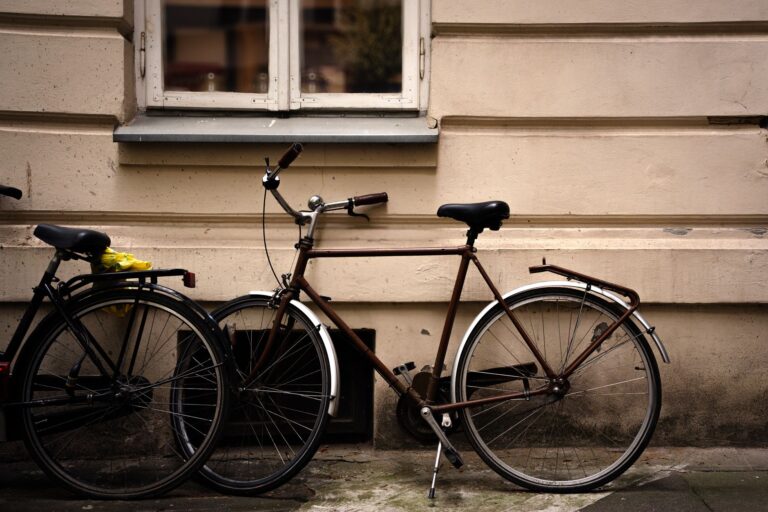
Next, pick your bike. Use your road bike, gravel bike, mountain bike, or commuter, as long as you feel comfortable riding it for an hour or more. Most trainers work with any bike type[1].
The heart of your setup is the trainer itself. There are two main types: wheel-on and direct-drive, also called wheel-off. Wheel-on trainers clamp to your rear wheel and keep it spinning. They cost less, around 150 to 300 dollars for entry-level models, but can wear out your tire over time. Get a cheap trainer tire to protect it. Direct-drive trainers need you to remove the rear wheel and bolt the bike straight to the unit, which often has its own cassette. These run quieter, feel more realistic, and connect to apps for smart features like automatic resistance changes. They cost 300 to 600 dollars or more but save space and noise in apartments[1][2][3].
For apartment life, focus on quiet operation under 70 decibels. Direct-drive models like the Wahoo Kickr Snap or Tacx NEO shine here because they avoid wheel noise. Check compatibility with your bike’s axle, like quick-release or thru-axle, and cassette type from Shimano or SRAM. Smart trainers pair with phones or bike computers via Bluetooth or ANT+ for apps that simulate rides and track power or cadence[1][2][3][4].
Add a trainer mat to protect your floor from sweat and scratches. Skip thin yoga mats; get a thicker treadmill or bike-specific one to cut vibrations and noise traveling to neighbors[1].
Other helpful items include a front wheel block to keep your bike level and a fan for airflow since you will sweat indoors. Some setups fold flat for storage[1][3].
To set up, follow these steps. Clear your spot and lay down the mat. Attach the trainer per its instructions, usually securing it to the floor or frame. Mount your bike: clamp the wheel for wheel-on or bolt the dropouts for direct-drive. Add the cassette if needed for direct-drive. Level the bike with a block under the front wheel. Spin the pedals to test stability and noise. Connect to an app if it’s smart, and calibrate as directed[1][2].
Match your choice to your goals. Casual rides suit basic wheel-on trainers. Serious training needs smart direct-drive for power data up to 1200 watts or more[2][3].
Test for noise right away. Pedal hard and listen. Adjust resistance knobs on basic models or let apps handle it on smart ones[4].
With this setup, hop on anytime, rain or shine, fitting rides into your busy apartment schedule[3].
Sources
https://contenderbicycles.com/blogs/blog/how-to-set-up-your-own-indoor-cycling-room
https://sportssurge.alibaba.com/guides/home-trainer-cycling
https://www.bicycling.com/bikes-gear/a20050631/how-to-choose-an-indoor-bike-trainer/
https://www.youtube.com/watch?v=xltPbiZ4eb8
https://bisaddle.com/blogs/cycling-saddles/beyond-the-pain-cave-why-your-indoor-cycling-saddle-matters-more-than-you-think
https://www.garagegymreviews.com/best-exercise-bike
https://cyclingmagazine.ca/sections/news/indoor-season-made-fun-yes-even-on-the-trainer/