Cycling for Seniors Over 70: Safety Tips
Many people over 70 discover that cycling keeps them active and happy. It strengthens the heart, builds leg muscles, and boosts mood without too much strain on the joints. But safety comes first to avoid falls or accidents. Here are practical tips to ride with confidence.
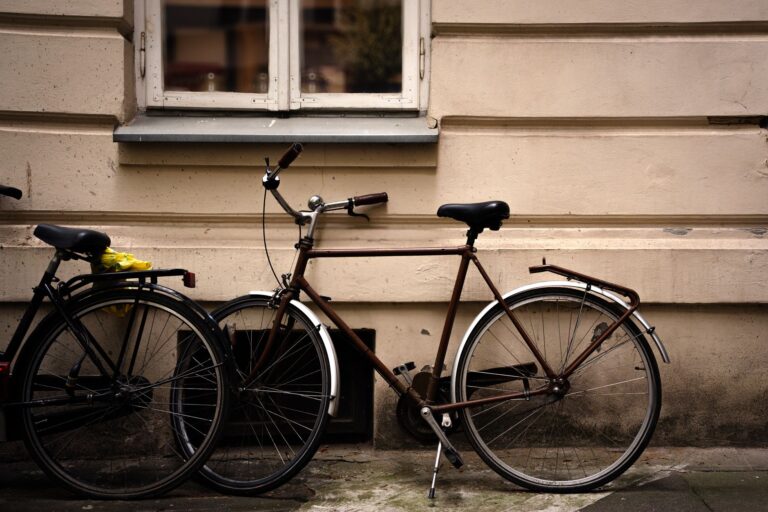
Start with the right bike. Look for a hybrid or comfort bike with a low step-through frame. This makes it easy to get on and off. Upright handlebars help you sit straight, which is kinder to the back. Adjustable seats let you keep feet flat on the ground when stopped. Test ride a few models at a local shop to find what feels stable.
Wear a helmet every time. Choose one made for adults with a snug fit and good ventilation. Replace it after any crash, even a small one. Bright clothing or a reflective vest makes you visible to cars. Closed-toe shoes with good grip prevent slips off the pedals.
Check your bike before each ride. Pump up tires to the right pressure listed on the sidewall. Make sure brakes work smoothly by squeezing the levers. Lights and reflectors are musts for dawn, dusk, or night rides. A simple toolkit with a tire pump, patch kit, and multi-tool gives peace of mind.
Pick safe routes. Stick to bike paths, quiet neighborhood streets, or roads with bike lanes. Avoid busy highways or steep hills at first. Ride with traffic, not against it, and use hand signals for turns: left arm straight out for left, right arm bent up for right, left arm bent down for stop.
Build up slowly. Begin with short rides of 10 to 20 minutes, three times a week. Stay in lower gears to keep pedaling easy. Take breaks often and listen to your body. If you feel dizzy, short of breath, or pain in the chest, stop right away and see a doctor.
Stay alert on the road. Scan mirrors or glance back often. Keep at least three feet from parked cars to dodge opening doors. At intersections, make eye contact with drivers and slow down. Never use earbuds that block sound.
Hydrate and fuel up. Drink water before, during, and after rides, even if it’s not hot. Eat a light snack like fruit or nuts beforehand. Sunscreen and layers for changing weather keep you comfortable.
Join a group. Local senior cycling clubs or community rides offer fun and support. Instructors can spot habits to fix, like keeping elbows loose for better control.
Practice skills off the road. In an empty lot, work on starting, stopping, and slow turns. This builds balance and cuts crash risk.
Talk to your doctor first. Get cleared for cycling, especially if you have balance issues, heart conditions, or take medications that cause dizziness.
Sources
https://www.cdc.gov/steadi/pdf/STEADI-FactSheet-Cycling-508.pdf
https://www.mayoclinic.org/healthy-lifestyle/fitness/in-depth/cycling/art-20048292
https://www.bikeleague.org/content/seniors-and-biking
https://www.nia.nih.gov/health/exercise-and-physical-activity/exercise-and-physical-activity-track-your-healthy
https://www.helpage.org/what-we-do/safety-and-ageing/active-ageing/cycling-for-older-people