Endurance Cycling Training: How to Ride Longer Without Fatigue
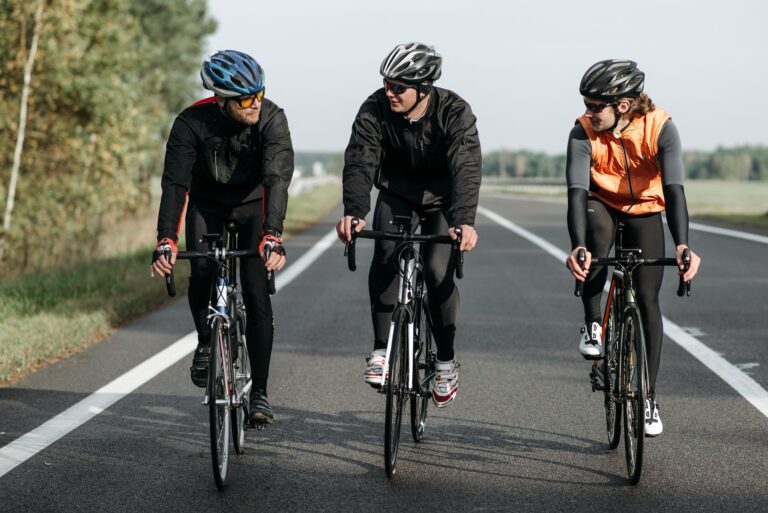
Want to pedal for hours without feeling wiped out? Endurance cycling builds your body’s ability to keep going strong on long rides. It focuses on steady efforts that train your muscles, heart, and energy systems to handle distance without crashing early.
Start with the basics of building a strong base. Ride consistently a few times a week to pile up time in the saddle. Beginners should aim for 30 to 45 minutes per ride at first, then stretch to 45 to 75 minutes as fitness grows, and eventually push toward two hours. Keep these rides easy, in a moderate effort zone where you can chat comfortably. This aerobic work boosts your stamina without burning you out.[7]
Mix in low cadence spins to build leg strength and make higher speeds feel easier later. Use a bigger gear and pedal slower, around 50 to 60 revolutions per minute, to create high torque. Try intervals like 5 minutes in zone 3 to 4 effort, followed by 5 minutes easy recovery. Do four to six repeats. This teaches your muscles to push harder with less fatigue on flats or climbs.[1][2]
Hill work is a game-changer for endurance. Find a steady gradient hill and do repeats: warm up 15 to 20 minutes easy on flats, then climb hard for 5 to 10 minutes at high intensity, like zone 4, with recovery spins back down. Alternate standing and sitting climbs for 30 seconds each to build power. Repeat sets after resting. Hills mimic real-road resistance and train recovery between pushes.[1][5]
For indoor days, keep rides fun and varied to avoid boredom. Do 20-minute spins with undulating resistance: add hill load, brace your core, and drive power from your legs while barely touching the bars. Build gradually, shake out between efforts, and focus on smooth pedaling. Short bursts like 40 seconds hard in a medium gear with 20 seconds recovery, repeated 10 times, build muscular endurance fast.[2][4][5]
Practice single-leg pedaling to smooth your stroke and cut dead spots. On a trainer, pedal with one leg while the other rests on a chair. Keep cadence high and push toes forward at the top. Do this for sets within a one-hour ride to make every revolution more efficient, saving energy on long hauls.[6]
Fuel right to dodge the bonk. Eat and drink early and often on rides over an hour: carbs before and during keep energy steady. Stay hydrated to maintain focus and power. Pair this with consistent saddle time for gravel or road to adapt to real conditions.[3]
Add short attacks to raise your threshold. Ride all-out for 2 to 3 minutes, recover easy for 2 minutes, up to three times. This lets you hold pace longer without fading. Track progress by noting time spent at high efforts, like over 900 watts if sprinting hits 1200.[2][5]
Warm up every session with 15 to 20 minutes light spinning to prep muscles. Cool down the same way. Rest days matter; build volume slowly to avoid injury. Over weeks, these habits turn short spins into epic all-day adventures.
Sources
https://cyclingcoachai.com/cycling-hill-training/
https://www.evoq.bike/blog/base-training-plan-for-cyclists
https://www.progravelmagazine.com/post/beginner-s-guide-to-gravel-racing-2026-tips-for-training-gear-race-day-success
https://www.youtube.com/watch?v=ALfveDvwGF8
https://www.bicycling.com/training/g69784864/5-quick-cycling-workouts/
https://www.triathlete.com/training/workouts/one-hour-workout-endurance-isolated-leg-cycling-set/
https://www.beginnercyclingtips.com/how-to-build-cycling-endurance/