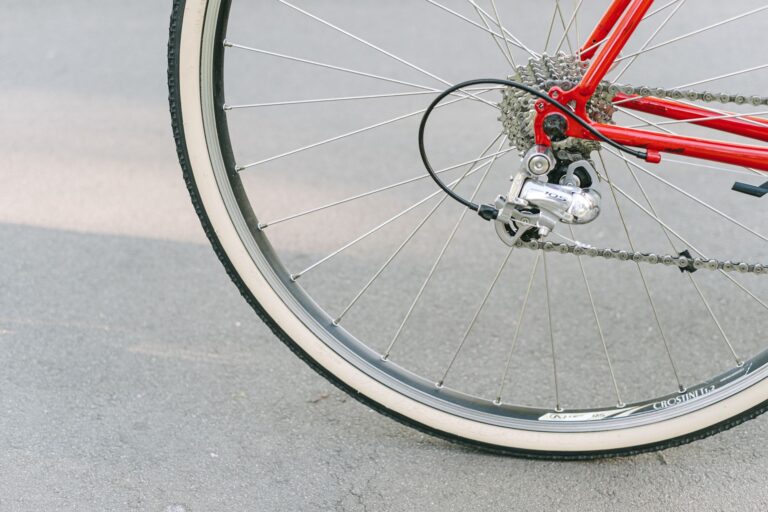
In winter, a bicycle needs one real maintenance session a month: a full degrease-and-relube of the chain, a brake pad and rotor check, a tyre and tread inspection, and a frame wash that removes road salt and grit. Everything else on a winter list is either a weekly habit (wiping the chain, checking tyre pressure) or a seasonal job (new cables, fresh bearing grease) that does not need repeating every four weeks.
The reason winter concentrates the work is simple: water, salt and fine grit turn a bicycle's exposed moving parts into a grinding paste. A chain that lasts 3,000 miles in dry summer riding can wear out in a few hundred wet, salted ones. The monthly session is about removing that paste before it eats components, and catching wear while it is still cheap to fix.
Table of Contents
- The monthly core: drivetrain, brakes, tyres, frame
- What to check weekly instead of monthly
- A practical monthly checklist
- Cold, wet and salt — what each one actually damages
- Jobs that belong at the start and end of the season, not monthly
- Warning signs that mean stop riding, not wait for the monthly check
- Frequently Asked Questions
The monthly core: drivetrain, brakes, tyres, frame
Start with the chain, because it degrades fastest and damages the most when neglected. Degrease it properly — a chain-cleaning tool or a rag and solvent, worked through every link — then dry it and apply a wet-weather lube, which is thicker and stays put in rain. Wipe off the excess; a lube-soaked chain collects grit and becomes an abrasive. Then check brake wear. On rim brakes, look at the pad grooves: once the channels are gone, the pad no longer clears water and bite drops sharply.
On disc brakes, check pad thickness at the friction material, not the metal backing, and replace once it looks like a credit card's thickness or less. Winter grit can take disc pads from new to worn in a single wet month, which is far faster than most riders expect. Tyres come next. Run a gloved thumb or a rag over the tread to find embedded flint and glass, and dig out anything lodged in a cut before it works through to the tube. Cold, wet roads produce more punctures than dry ones, partly because water lubricates sharp debris into the casing. Finally, wash the frame — especially the underside of the down tube, the bottom bracket shell and the dropouts, where salt-laden spray collects and rust starts.
What to check weekly instead of monthly
Some jobs are too fast-moving for a monthly cycle. Tyre pressure drops naturally over days, and cold air lowers it further, so check pressure before most rides. A soft tyre in winter means a squirmy contact patch and a much higher pinch-flat risk on potholes you cannot see under standing water. Wipe the chain and rear derailleur pulleys after any genuinely wet or salted ride, even if it is only a rag and thirty seconds.
This single habit does more than any product to make the monthly degrease easy rather than a struggle. Also give the bike a rinse with low-pressure water after riding on salted roads; salt keeps attacking metal long after the bike is dry. Lights deserve a weekly look too. Winter riding is mostly done in the dark, battery capacity falls in the cold, and a light that gave four hours in September may give half that at freezing point. Charge before you need to, not when the low-battery blink starts.
A practical monthly checklist
Work through these in order, with the bike in a stand or leaned somewhere stable: The whole list takes roughly 45 minutes to an hour once it is familiar. The chain check is the single highest-value item: a worn chain quietly destroys a cassette that costs several times more to replace.
- Degrease, dry and re-lube the chain; wipe the cassette and derailleur pulleys clean
- Check brake pad thickness and, on rim brakes, the rim's wear indicator line or concave braking surface
- Inspect both tyres for cuts, embedded debris and sidewall damage; check tread depth if the tyre has any
- Spin each wheel to check it runs true and the hub turns smoothly without grinding or play
- Squeeze each spoke pair for loose spokes, which winter potholes produce quickly
Cold, wet and salt — what each one actually damages
Water is the least of the three problems. It displaces lubricant and encourages surface rust, but a dried and re-lubed bike recovers. Grit is worse, because it embeds in soft surfaces — chain rollers, brake pads, rim sidewalls — and keeps cutting long after the ride ends. Salt is the one that causes lasting harm.
It accelerates corrosion on steel and attacks aluminium at contact points, and it wicks into places you cannot see: inside cable housings, under bar tape, into the seat tube, and around steel bolts threaded into alloy frames. Seized seatpost and bottle-cage bolts are a classic spring discovery from a winter of unwashed salt. Cold itself mainly affects materials rather than wear. Rubber hardens, so tyres grip less and sidewalls crack more readily; grease thickens, so bearings feel stiff until the bike warms; and batteries lose runtime. None of this requires monthly intervention, but it changes how the bike behaves on the first ride of a cold day.
Jobs that belong at the start and end of the season, not monthly
Replacing cables and housing is a once-a-season job. Salt and water get into housing and make shifting vague and braking spongy, so fresh inner cables and housing in late autumn pay for themselves across the whole winter. Doing this monthly would be waste. Bearing service — hubs, bottom bracket, headset — is also seasonal rather than monthly for most riders.
If a bearing already feels rough or gritty in November, service it then, because winter will finish it off. Otherwise inspect it monthly and service once at the end of the season, when the damage is done and visible. Fitting mudguards and a winter tyre set is a start-of-season change. Full-length mudguards cut the amount of water and grit reaching the drivetrain and the rider, which directly reduces how much the monthly session has to remove. A slightly wider, more puncture-resistant tyre at a lower pressure is the other high-return swap.
Warning signs that mean stop riding, not wait for the monthly check
Some symptoms should not wait four weeks. A brake lever that pulls to the bar, a grinding noise from a hub under load, visible bulging or cord showing through a tyre sidewall, or a crack anywhere on the frame or fork are all ride-ending problems. Two more are specific to winter.
A rim brake surface that has gone noticeably concave can fail suddenly, because grit-laden pads wear rim walls fast and a thin wall can split under tyre pressure. And a chain that skips under hard pedalling usually means the chain and cassette are both worn past the point where replacing one will fix it. If you are unsure whether something is worn or just dirty, clean it and look again in daylight. Grit hides cracks and pad wear convincingly, and most winter diagnoses get easier after a wash.
Frequently Asked Questions
Should I use a different chain lube in winter?
Yes — switch from a dry or wax-based lube to a wet lube. Wet lube is thicker and resists wash-off, at the cost of attracting more grit, which is why the monthly degrease matters.
Is a pressure washer safe for cleaning a winter bike?
Avoid it. High-pressure water forces grit past bearing seals in hubs, bottom brackets and suspension, turning a cleaning job into a bearing replacement. Use a bucket, brush and low-pressure hose.
How do I know when the chain needs replacing rather than cleaning?
Use a chain checker tool and replace at 0.5% elongation. Without one, a chain you can lift noticeably away from the front of the chainring teeth is worn.
Does an indoor-stored bike still need the monthly session?
If it is ridden outside in winter, yes. Storage helps with rust but does nothing about the grit already in the chain, pads and bearings.