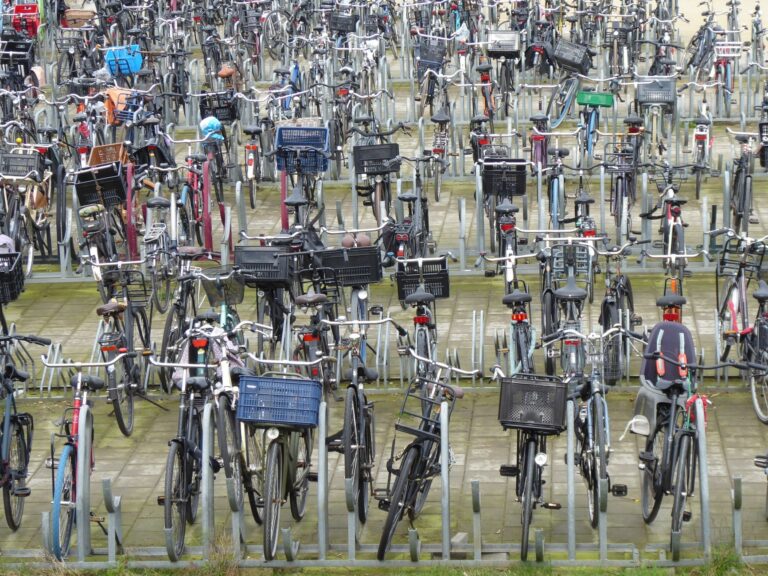
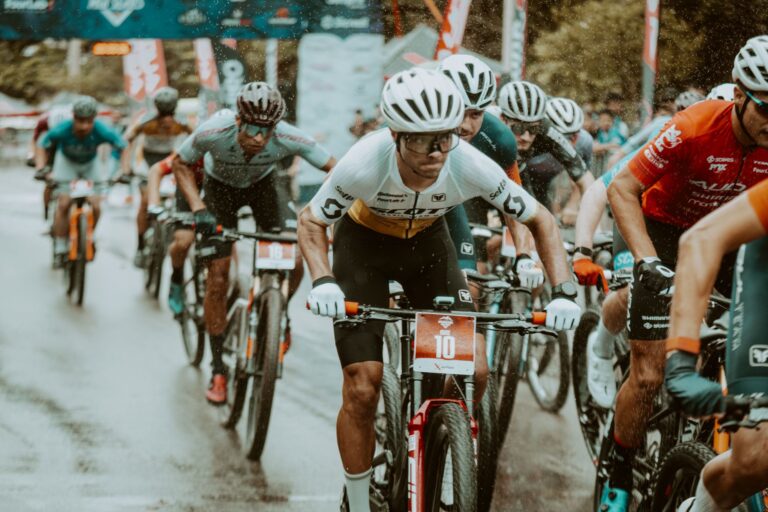
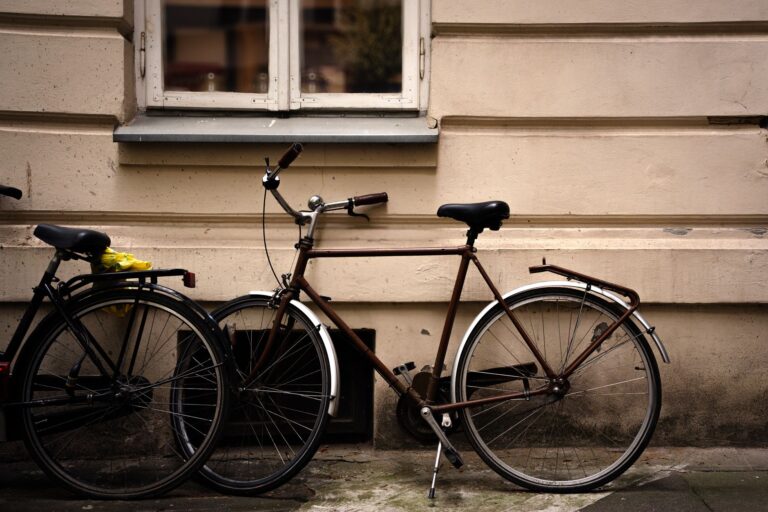
City rides and trail rides offer very different cycling experiences, especially when it comes to how traffic controls and terrain affect the flow of the ride. In city riding, stoplights are a major factor that interrupts momentum and requires frequent stopping and starting. On the other hand, trail rides tend to provide a smoother flow with fewer interruptions, allowing cyclists to maintain a steady pace.
In urban environments, stoplights and traffic signals are designed to regulate the flow of vehicles and pedestrians, which means cyclists must often come to a complete stop. This can be frustrating for riders who want to maintain speed and rhythm. The frequent stopping can also reduce the overall efficiency of cycling as a mode of transportation. Some places have adopted laws like the “Idaho stop,” which allow cyclists to treat stop signs as yield signs when safe, helping to improve flow and reduce unnecessary stops. However, stoplights still require full stops, which can break the momentum and make city riding feel stop-and-go[3].
Trail rides, by contrast, usually take place on paths or off-road terrain where there are no stoplights or traffic signals. This allows for a more continuous and smooth riding experience. Bikes designed for trail riding, such as electric off-road models, often feature components that enhance this smooth flow. For example, torque sensors that respond naturally to pedaling, hydraulic disc brakes for controlled stopping, and versatile tires that handle uneven surfaces all contribute to a ride that feels fluid and responsive[1]. The absence of stoplights means riders can maintain momentum, which is especially important on trails where maintaining speed helps with balance and control.
Safety is a key consideration in both environments. City riders rely heavily on lights and signals to communicate with other road users. Modern bike lights with features like automatic dimming for oncoming traffic, bright rear lights, and radar-equipped taillights improve visibility and safety in stop-and-go traffic conditions[2][4][5]. Trail riders also benefit from good lighting, especially when riding in low-light conditions or at night, but the focus is more on navigating terrain smoothly rather than stopping frequently.
In summary, city rides with stoplights tend to be more interrupted and require frequent stopping, which can disrupt the flow and efficiency of cycling. Trail rides offer a smoother, more continuous experience where riders can maintain momentum and enjoy the natural terrain without the interruptions of traffic controls. Both types of riding have their own challenges and benefits, shaped largely by the environment and the technology designed to support safe and enjoyable cycling.
Sources
https://www.radpowerbikes.com/products/radster-trail-electric-off-road-bike
https://www.cyclingweekly.com/group-tests/cycling-lights-buyers-guide-141811
https://www.bicyclincoln.org/2025/11/10/trail-ramblings-more-news-on-the-safety-stop/
https://bikerumor.com/bikerumor-editors-choice-2025-corys-best-bike-gear-awards/
https://www.bikeradar.com/advice/buyers-guides/best-bike-lights-for-road-cycling