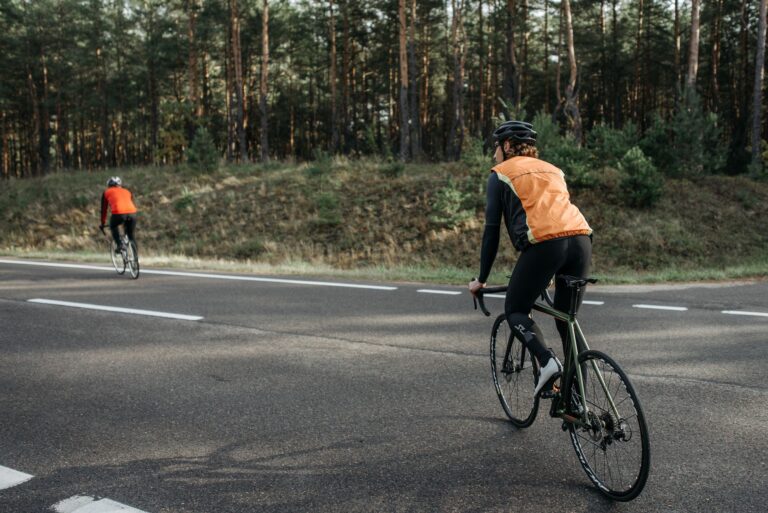
Common Zone 2 cycling questions come down to four decisions: how hard to ride, how long to ride, how often to ride, and how to tell if it works. Zone 2 cycling means easy, steady aerobic riding you could hold while talking in full sentences. It suits riders building base fitness, returning from time off, or adding calm miles around harder workouts. The work feels almost too easy at first, and that restraint is the point.
Table of Contents
- How Hard Should Zone 2 Feel?
- How Long Should a Zone 2 Ride Last?
- How Often Should You Do It?
- How Can You Tell It Is Working?
How Hard Should Zone 2 Feel?
Ride at an effort where breathing stays calm and speech stays smooth. You can talk in complete sentences without gasping, and your legs feel like they could keep going.
Hills, wind, and excitement raise effort fast, so shift early and soften your pace. Watch for signs you have drifted too hard. Ease off when breathing turns ragged, sentences break into short bursts, or your legs start to burn.
- You cannot speak comfortably in full sentences
- Breathing feels labored rather than steady
- Legs burn or fade quickly instead of settling in
How Long Should a Zone 2 Ride Last?
Match the ride to your schedule and current fitness. A shorter easy ride still counts when time is tight, while a longer weekend ride gives more steady aerobic time. Choose a duration you can repeat without heavy fatigue the next day.
Build duration gradually rather than jumping to very long rides. Add time to one weekly ride, keep the effort conversational, and carry food, water, and lights for comfort. Steady pacing matters more than chasing distance.
How Often Should You Do It?
Many cyclists make easy riding the bulk of their weekly time. That often means several easy rides plus one or two harder sessions, with rest placed where fatigue builds. Your exact mix depends on work, sleep, age, and training history.
Keep hard days hard and easy days truly easy. Avoid turning every ride into a medium-hard effort, because that pattern tires you without building either speed or endurance well. If legs feel flat, motivation drops, or sleep suffers, take an extra easy day or a day off.
How Can You Tell It Is Working?
Look for trends over weeks, not changes from one ride. Useful signs include holding a little more speed on a familiar flat route at the same easy effort, with calm breathing and a steady heart rate. Also notice less drift on longer rides, quicker recovery after hills, and fresher legs the next morning.
Track simply so patterns emerge. Ride a familiar course, note effort, breathing, weather, and how you felt, and compare similar conditions. If pace at the same conversational effort rises across several weeks, keep the formula.