Chain lubricant choice trades staying power in wet grit against harm to water life and how fast residue breaks down. Manufacturers, shops, and cyclists should compare base oil, additives, and likely runoff before picking wet, dry, or wax lube. Aquatic toxicity means harm to algae, insects, and fish after lube reaches water.
Biodegradability means microbes can break that residue into simpler substances over time. A durable lube can protect a chain yet wash off in rain or bike washing. A less persistent formula can still injure small organisms during the short time it remains intact. The practical tradeoff is control of friction and corrosion against amount, location, and duration of water exposure.
Table of Contents
- What toxicity and breakdown mean in practice
- Where chain lube meets water
- How wet, dry, and wax types compare
- What labels and ingredients can tell you
- How shops and riders can cut water risk
What toxicity and breakdown mean in practice
Toxicity reflects dose, form, and exposure time, not just ingredients. A thin film on water, fine droplets, and dissolved parts can affect different organisms in different ways. Small, still waters often show effects sooner because residue stays concentrated. Breakdown depends on chemistry and setting.
Simple plant oils and some esters tend to be eaten readily by microbes in warm, oxygen-rich soil and water. Highly branched oils, waxes, solids, and some additives resist attack, especially in cold, dark, or low-oxygen sediment. The two traits do not move together. A formula can break down fast yet harm sensitive life while intact. Another can show lower short-term harm yet linger as particles or film.
Where chain lube meets water
Direct contact happens on wet roads, in puddles, and at trail seeps and stream crossings. Spray from the chain can land on tires, frames, and ground, then move with the next rain. Winter slush and dusty summer trails both carry residue off the drivetrain. Washing moves more lube than riding in many cases.
Driveway rinsing, degreaser use, and strong spray push oil, wax flakes, and metal-rich grime toward gutters and drains. Shop sinks, floor drains, solvent jars, and oily rags create another path when waste is poured out or tossed loosely. Many street drains lead to ditches and streams with little treatment. That makes dose control near the bike as important as formula choice. Less lube applied, less excess wiped away, and contained cleaning cut the load at the source.
How wet, dry, and wax types compare
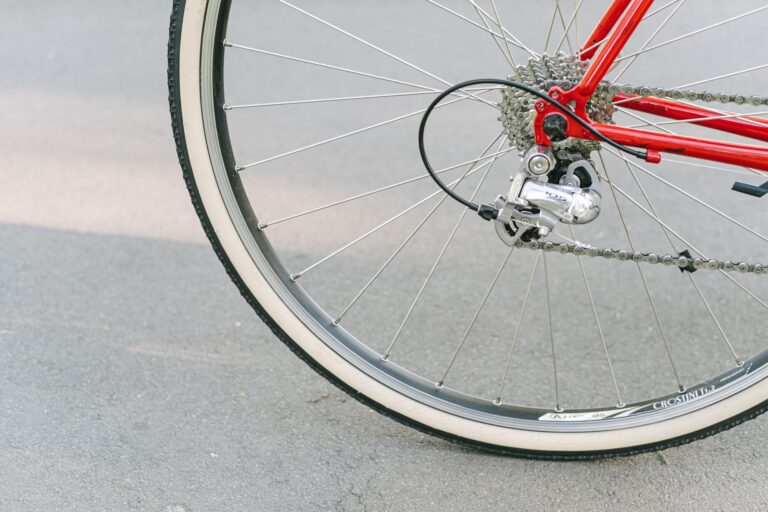
Wet lubes use clinging oils that resist rain and stay on through grit. That staying power helps chains in steady rain and muddy commuting. The cost is greater wash-off over time and more contaminated runoff when cleaning is delayed. Dry lubes often pair a lighter oil or wax with a fast-evaporating carrier that leaves a drier film.
The dry film picks up less dust and needs less aggressive degreasing. The carrier itself can be harsh to water life, so outdoor application and wet disposal matter. Hot wax and drip wax leave a mostly solid coating that sheds as flakes rather than oil. Flakes are visible and easy to sweep, yet they still add particles and trapped grime to soil and water. Clean preparation and thin, even coats reduce shedding and extend service.
What labels and ingredients can tell you
Base oil sets much of the pattern. Mineral oils generally persist longer than simple plant oils. Plant oils can oxidize into sticky varnish when overapplied or heated, which invites harsh cleaning. Additives for extreme pressure, corrosion, scent, color, and friction control can add most of the water hazard even at low levels. Words such as biodegradable, plant-based, and non-toxic have narrow meanings.
A test result may reflect warm lab water, a single organism, and a fixed time. Real use involves cold runoff, sediment, mixed grime, and repeated dosing. Ask what was tested, under what conditions, and whether the result covers the whole formula or only the base oil. For stocking and spec choices, favor short ingredient disclosures, clear use ranges, and contained packaging. Avoid bulk open trays near drains, dusty storage that invites over-lubing, and claims that invite hose-down cleaning. A plainer formula with modest durability often beats a tougher one that demands strong solvents.
How shops and riders can cut water risk
Use the least lube that keeps the chain quiet and rust-free. Apply drops to each roller, let the carrier set, then wipe the outside thoroughly. Re-lube light and often rather than flooding the chain before a wet ride.
Train staff and riders to treat the driveway hose as a last resort. A bucket, two brushes, and a rag remove most road film with far less runoff. Wipe the chain after every wet ride and bag the dirty rag with shop waste.
- Clean over a tray or mat, away from drains and bare soil
- Catch drips, flakes, and used rags for shop waste or trash
- Use brushes and mild soap first; save strong degreaser for stubborn spots
- Keep wash water out of storm drains; divert to vegetation-free containment or a sanitary sink where allowed
- Store lube upright, sealed, and away from heat and rain
You Might Also Like
- Aquatic toxicity and biodegradability tradeoffs in bicycle chain lubricants: Current Technologies, Evidence, and Practical Limits
- Carbon bicycle frame recycling through pyrolysis, solvolysis, and reuse: What Manufacturers, Shops, and Cyclists Should Compare
- Bicycle tire and inner-tube recycling programs and material-separation limits: What Manufacturers, Shops, and Cyclists Should Compare