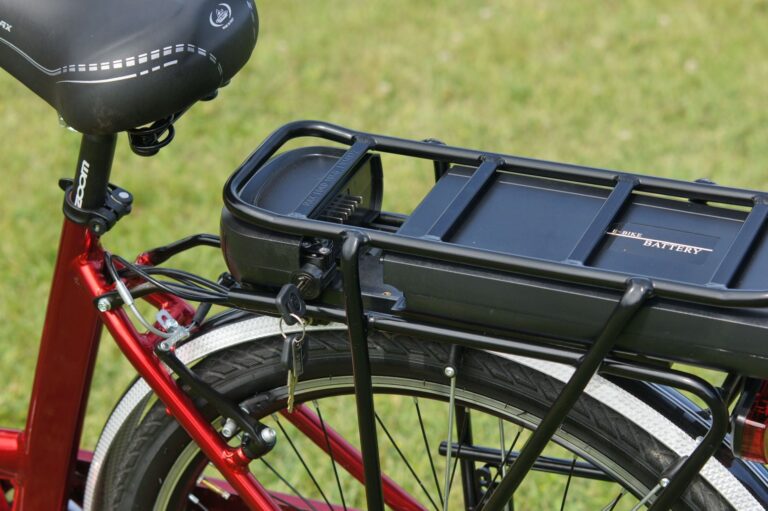
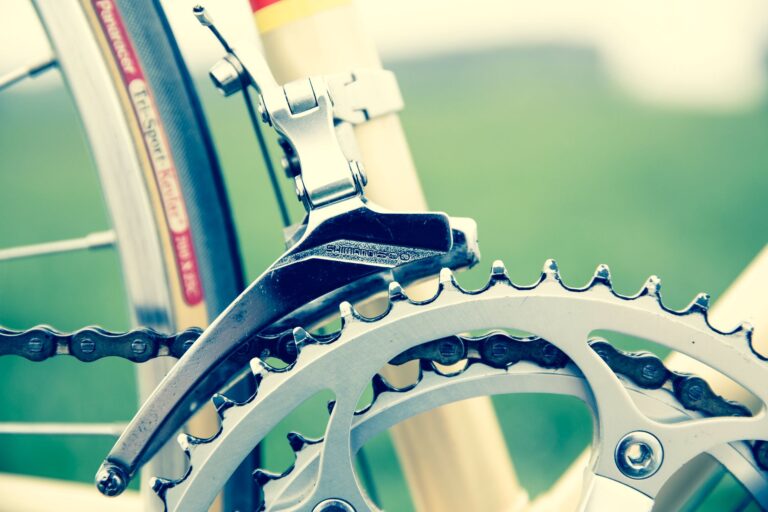
A rear wheel that wobbles when you spin it is usually out of true, meaning the rim swings side to side instead of rotating in a straight line. A slight wobble is often rideable for a short time, but a strong wobble, rubbing brake or frame, or looseness at the hub means stop and fix it. The rear wheel carries more weight and holds the cassette or freewheel, the cluster of gears on one side. That extra load and dish, or sideways angle of the spokes, make the rear wheel more sensitive to loose spokes, bumps, and uneven tension.
Table of Contents
- What does the wobble look like?
- How do you find the cause safely?
- Can you true a slightly bent rim at home?
- When should you stop riding?
- Frequently Asked Questions
What does the wobble look like?
Watch the rim, not just the tire, while the bike is lifted and the wheel spins. A side-to-side swing points to lateral trueness or uneven spoke tension. An up-and-down hop points to a flat spot or dent in the rim.
Also check whether the tire itself is seated evenly. A tire bead, the stiff edge that sits in the rim, can look wobbly even when the metal rim runs straight. Look for a molded line above the rim edge and see if it rises or dips in one place.
How do you find the cause safely?
Start with the quick mounts before assuming the wheel is bent. Check that the axle sits fully in the dropouts, the slots that hold the wheel, and that the quick-release lever or axle nuts are tight. Then squeeze pairs of spokes lightly to feel for one that is much looser than its neighbors.
Next, check the hub for play by gripping the rim and pushing it side to side. A clicking or knocking feel at the center can mean worn bearings or loose hub adjustment. If the wheel is tight in the frame but still swings, the rim is likely bent or tension is uneven.
Can you true a slightly bent rim at home?
For a small side-to-side wobble, you can make careful spoke adjustments with a spoke wrench that fits your nipples exactly. Use the brake pads, frame, or a zip tie on the frame as a pointer, spin slowly, and mark where the rim moves left or right.
This method suits minor wobbles only. A large bend, cracked rim, broken spoke, pulled-through nipple, or dented sidewall needs shop repair or wheel replacement.
- Tighten the spoke or spokes pulling from the opposite side in quarter-turn steps.
- Loosen the tight-side spoke slightly if the area already feels very tight.
- Spin and recheck after each small change.
- Stop if the wobble grows, spokes creak sharply, or nipples feel stuck.
When should you stop riding?
Stop riding when the tire rubs the frame, a brake locks or grabs, spokes are broken or hanging loose, or the hub moves in the frame. Those signs can cause sudden loss of control or further rim damage.
Walking the bike or using another route is safer than forcing a damaged rear wheel. Ride cautiously to a repair stand only for a small, stable wobble with tight mounting hardware and no hub play. Keep speed down, avoid potholes and hard standing pedaling, and check the wobble again before every ride until it is corrected.
Frequently Asked Questions
Does a wobbly tire always mean a bent rim?
No. An unevenly seated tire, bent valve stem area, or bulge can mimic a rim wobble. Check rim movement against a fixed pointer to separate tire shape from rim shape.
Why does the rear wheel go out of true more often?
It supports rider weight plus drive forces through an offset spoke pattern. Loose drive-side spokes, heavy loads, and impacts can shift tension faster than on the front wheel.
Can I keep riding if only one spoke is loose?
Avoid long or fast rides. One loose spoke changes tension around it and lets the rim flex more. Tighten or replace it soon, and inspect the rim for cracks around the nipple holes.