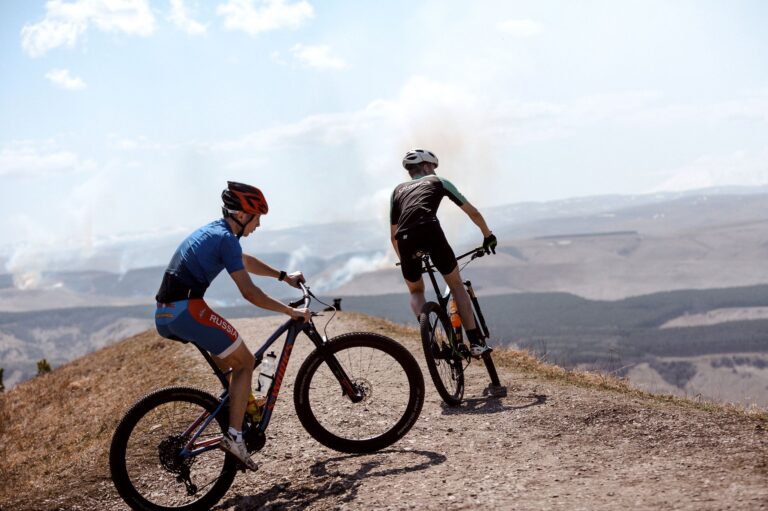
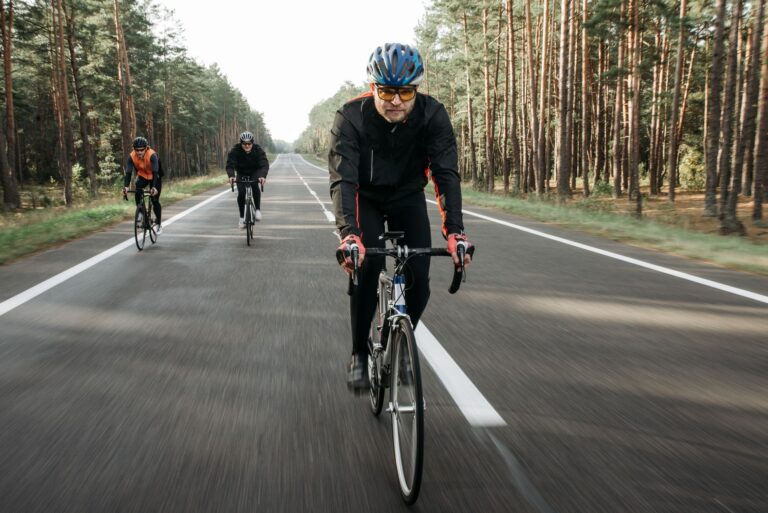
For Paris–Nice-style riding in 2026, buy a correctly sized all-round road bike with low climbing gears, hydraulic disc brakes, and room for wider road tires. The best value is the least expensive model that delivers that fit and control; lighter parts and electronic shifting come later. The recommendation reflects a race with flat, hilly, uphill-finish, and team-time-trial stages. The eight-stage event ran March 8–15, according to ASO's 2026 route, so a versatile bike makes more sense than a specialized climbing or time-trial setup.
Table of Contents
- Choose the frame before the components
- Which features suit mixed terrain?
- Decide what is worth paying for
- Treat March weather as equipment-critical
Choose the frame before the components
Establish your size before comparing drivetrains or wheel weights. Trek's road-bike size guide starts with height and inseam, noting that proper fit affects comfort, efficiency, handling, and power transfer.
Use the manufacturer's chart to narrow the choice, then check the exact model: Frame labels are only starting points because proportions and bike geometry vary. If two sizes appear suitable, compare both rather than letting a component discount make the decision.
- Stand over the frame without uncomfortable contact.
- Reach the brake hoods without locking your elbows or stretching your shoulders.
- Confirm that you can operate both brake levers securely.
- Adjust the saddle without pushing the seatpost or rails to their limits.
- Ride long enough to assess steering, braking, and your normal pedaling position.
Which features suit mixed terrain?
Paris–Nice-style riding combines fast roads, extended climbs, descents, and unpredictable surfaces. Favor usable range and control over equipment optimized for one favorable condition.
Look for a balanced specification: Giant's 2026 Contend AR 1 specification sheet provides a useful US benchmark: $2,200 MSRP, Shimano 105 hydraulic brakes, a 50/34 crank, an 11–36 cassette, 32 mm tubeless tires, and 38 mm maximum clearance. Prices and specifications may change, so use those figures as comparison points rather than a permanent deal or universal prescription.
- A compact crank and wide-range cassette for sustained climbing.
- Hydraulic disc brakes for controlled braking in wet or changing conditions.
- Tires around 32 mm as a practical starting point for comfort and grip.
- Clearance beyond the fitted tire width, preserving future setup choices.
- A cockpit that fits naturally without relying on an unusually short or long stem.
Decide what is worth paying for
Divide the bike into essentials and upgrades. Fit, suitable gearing, dependable braking, and tire clearance determine whether the bike works for the intended riding; weight savings and electronic controls refine that experience. When comparing two models, record the differences instead of relying on groupset names: Electronic shifting can be a worthwhile convenience, but it introduces a charging routine and another price comparison.
It cannot correct an unsuitable frame, excessively high gearing, or inadequate tire clearance. Set a maximum budget that includes necessary clothing and maintenance items. A modest bike that fits and leaves money for weather protection usually offers more practical value than a lighter model that consumes the entire budget.
- Lowest available gear.
- Brake type.
- Installed tire width and maximum clearance.
- Mechanical or electronic shifting.
- Wheel depth and service requirements.
Treat March weather as equipment-critical
Mountain weather can turn a normal ride into a safety problem. ASO shortened Stage 7 to 47 km after heavy rain and snow made the early descents dangerous, according to its Stage 7 route notice.
For cold, wet riding, reserve part of the budget for: Inspect the brakes and tires before entering exposed or mountainous roads. If rain, snow, visibility, or surface conditions exceed your equipment or skill, change the route or turn back.
- A waterproof outer shell.
- Insulating layers that can be removed.
- Full-finger gloves that preserve braking control.
- Clear eye protection for rain and road spray.
- Lights when visibility may deteriorate.