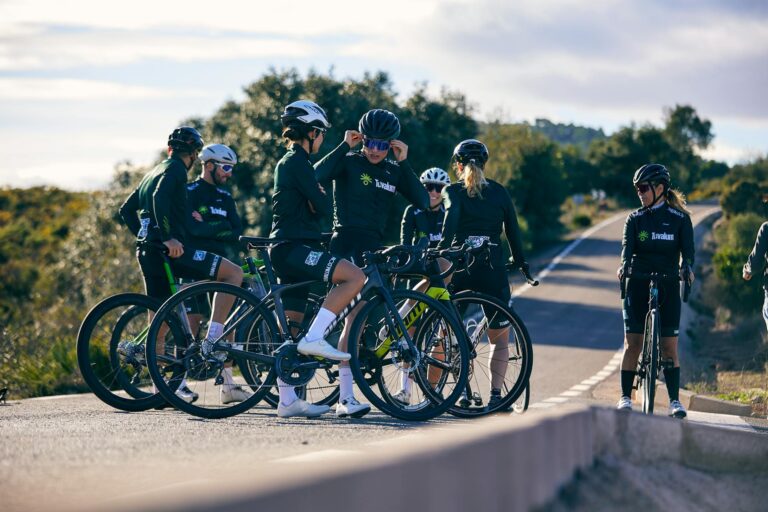
We all know that wearing a helmet while riding a bike is essential for safety. But with so many options available, how do you choose the right one for your needs? Fear not, dear reader, for we have gathered all the information you need to know about bike helmets and other safety gear in this easy to understand article.
Why is a helmet important?
First and foremost, let’s talk about why wearing a helmet is crucial for bike riders. According to the National Safety Council, wearing a helmet can reduce the risk of head injuries by 50%. In fact, a study by the Bicycle Helmet Safety Institute showed that 85% of cyclists who died in accidents were not wearing helmets.
In addition, helmets can protect you from serious brain injuries in case of a crash or fall. They are also required by law in many states and countries. So, it’s safe to say that a helmet is not just an accessory but a necessary piece of safety gear for every cyclist.
Choosing the right helmet for you
Now that we have established the importance of wearing a helmet, let’s dive into the process of choosing the right one for you. Here are some factors to consider:
1. Size and Fit
The first and most crucial aspect of choosing a helmet is ensuring that it fits your head properly. A helmet that is too big or too small can be ineffective in protecting you. To find the right size, measure the circumference of your head just above your eyebrows and choose a helmet size accordingly.
2. Safety Standards
Look for helmets that meet safety standards set by organizations such as the Consumer Product Safety Commission (CPSC) or the American Society for Testing and Materials (ASTM). These standards ensure that the helmet has undergone rigorous testing and will provide adequate protection in case of an accident.
3. Type of Riding
Consider the type of riding you will be doing while choosing a helmet. If you are a mountain biker, opt for a full-face helmet that offers more coverage and protection. For road biking or casual riding, a traditional helmet with good ventilation will suffice.
4. Ventilation
Speaking of ventilation, it is essential to consider the airflow in a helmet. Proper ventilation will keep you cool and comfortable during long rides. Look for helmets with multiple vents and channels for maximum airflow.
5. Additional Features
Some helmets come with additional features such as visors, built-in lights, and MIPS (Multi-directional Impact Protection System) technology. While these features may add to the cost, they can also provide extra protection and convenience.
Other Essential Safety Gear
Aside from a helmet, there are other safety gears that can enhance your cycling experience and keep you safe on the road. These include:
1. Reflective Clothing
Invest in reflective clothing or accessories such as vests, arm/leg bands, or shoes with reflective material. This will make you more visible to other motorists, especially when riding at night.
2. Lights
Bike lights are essential if you ride during the night or in low light conditions. They not only make you visible to others, but they also help you see the road ahead.
3. Gloves
Cycling gloves not only protect your hands from blisters and calluses but also provide better grip and control over your bike’s handlebars.
4. Knee and Elbow Pads
If you are an off-road rider or into extreme sports like BMX biking, knee and elbow pads can protect you from scrapes and bruises in case of a fall.
5. Bike Lock
Last but not least, don’t forget to invest in a sturdy bike lock to prevent theft when you need to leave your bike unattended.
In conclusion, choosing the right bike helmet and other safety gear is crucial for every cyclist. Consider factors like size and fit, safety standards, type of riding, ventilation, and additional features while selecting your helmet. And don’t forget to invest in other safety gear such as reflective clothing, lights, gloves, and pads for a safe and enjoyable biking experience. Happy riding!