Preparing your cycling equipment for the outdoor season requires a systematic inspection and maintenance routine that addresses five critical areas: drivetrain cleaning and lubrication, brake system evaluation, tire inspection and inflation, cable and housing assessment, and overall frame and component check. The process should begin two to three weeks before your first planned outdoor ride, giving you time to order replacement parts or schedule professional service if needed. A cyclist who stored their bike properly over winter might need only a few hours of work, while someone who left their bike in a damp garage may discover corroded cables, seized bearings, and cracked tire sidewalls that demand more extensive attention. Consider the case of a rider who pulled their bike out on the first warm weekend of spring, eager to join a group ride. Halfway through the route, a neglected chain snapped because the links had developed rust during storage, leaving them stranded ten miles from home.
This scenario plays out countless times each season and is entirely preventable with proper preparation. Beyond the immediate maintenance tasks, this article covers how to assess whether components need replacement versus cleaning, the proper sequence for seasonal bike preparation, storage-related damage to watch for, and how to establish a pre-ride checklist that ensures your equipment remains reliable throughout the riding months. The stakes extend beyond inconvenience. Brake systems that feel fine during a parking lot test may fade dangerously on a long descent when heat builds up in contaminated pads. Tires that hold air in the garage can blow out at speed when weakened sidewalls encounter road debris and higher pressures. Approaching seasonal preparation methodically protects both your safety and your investment in cycling equipment.
Table of Contents
- What Cycling Equipment Needs Inspection After Winter Storage?
- Seasonal Cycling Preparation and Drivetrain Maintenance
- Outdoor Season Brake System Evaluation and Service
- Inspecting Tires and Wheels for Cycling Season Readiness
- Common Equipment Problems After Winter Cycling Storage
- Establishing a Seasonal Equipment Documentation System
- How to Prepare
- How to Apply This
- Expert Tips
- Conclusion
- Frequently Asked Questions
What Cycling Equipment Needs Inspection After Winter Storage?
Every component on your bicycle requires some degree of attention after months in storage, but the drivetrain, braking system, and wheels demand the most thorough inspection. The drivetrain encompasses your chain, cassette, chainrings, and derailleurs, and these components accumulate old lubricant that attracts dust and forms an abrasive paste capable of accelerating wear. Chains stretch over time, and a chain that measured within tolerance last fall may now exceed the 0.5 percent elongation threshold that signals replacement time. Running an elongated chain destroys cassettes and chainrings rapidly, turning a fifteen-dollar chain replacement into a two-hundred-dollar drivetrain overhaul. Brake systems present the most significant safety concern. Hydraulic disc brake fluid absorbs moisture through the lines over time, lowering the boiling point and creating the potential for brake fade during extended descents.
Brake pads may have glazed over during storage, reducing their initial bite and overall stopping power. Cable-actuated brakes develop slack as housings compress and cables stretch, requiring adjustment before the levers can generate adequate force. A comparison between disc and rim brakes reveals different failure modes: rim brakes suffer most from pad hardening and cable deterioration, while disc brakes are more susceptible to contamination and fluid degradation. Wheels require inspection for spoke tension, bearing smoothness, and tire condition. Tires left supporting the bike’s weight in one position for months can develop flat spots that cause vibration. More critically, rubber compounds degrade over time regardless of use, and tires older than four or five years may have compromised sidewalls even if the tread looks adequate. checking the date code molded into the sidewall reveals the manufacturing week and year, helping you decide whether tires need replacement based on age rather than apparent wear.
Seasonal Cycling Preparation and Drivetrain Maintenance
Drivetrain maintenance forms the foundation of seasonal preparation because a clean, properly lubricated drivetrain affects shifting performance, efficiency, and component longevity. Begin by removing the chain using a quick link or chain tool, then soak it in a degreaser solution while you clean the cassette and chainrings with brushes and solvent. Dried lubricant mixed with road grit creates a grinding compound that wears drivetrain components from the inside out, and no amount of new lubricant applied over old contamination resolves this problem. Only thorough cleaning followed by fresh lubrication restores optimal function. After cleaning the chain, measure it with a chain checker tool before reinstallation. A chain elongated beyond 0.75 percent has likely damaged the cassette teeth, and installing a new chain on a worn cassette causes skipping under load as the new chain fails to mesh with the deformed tooth profiles.
However, if your chain measures between 0.5 and 0.75 percent elongation and you replace it promptly, the existing cassette will likely survive another chain’s lifespan. This represents a significant cost savings, but it requires catching wear in time rather than riding until shifting becomes noticeably poor. Derailleur pivot points accumulate grime that increases friction and slows shift response. Apply a light penetrating lubricant to all pivot points, then cycle through the gears while wiping away excess. Check derailleur hanger alignment using a dedicated alignment gauge, as even minor bends cause ghost shifting and noise that cable tension adjustments cannot correct. A bent hanger is common after storage if anything pressed against the derailleur, and many riders mistake the resulting shifting problems for cable stretch or limit screw misadjustment.
Outdoor Season Brake System Evaluation and Service
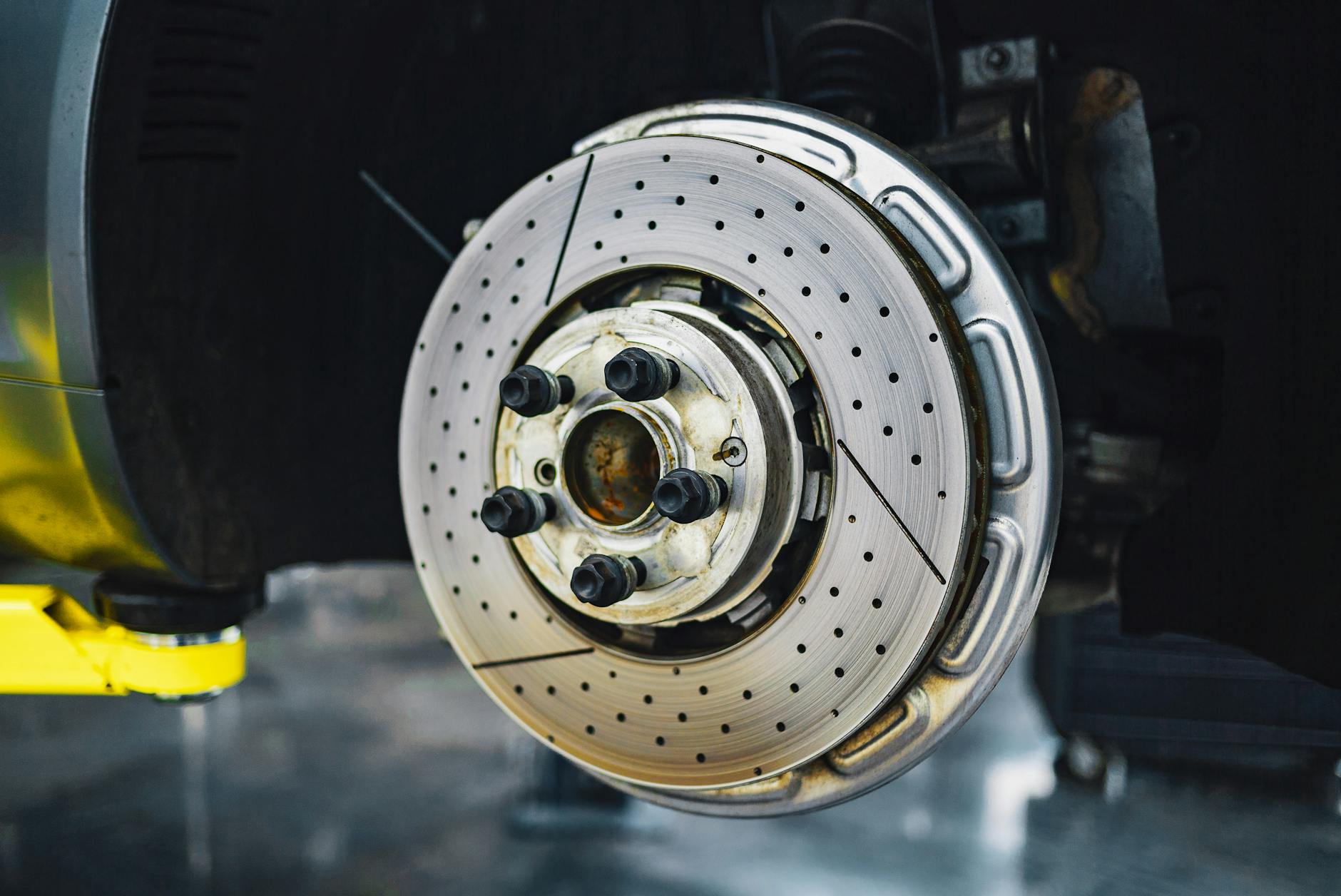
Brake inspection begins with pad thickness measurement, but thickness alone does not determine pad condition. Glazed pads that appear to have adequate material remaining may have developed a hardened surface layer that dramatically reduces friction. You can identify glazing by the shiny, almost polished appearance of the pad surface. Light sanding with fine-grit sandpaper removes the glaze and restores braking power, but this technique only works once or twice before the pad material itself degrades. For hydraulic disc brakes, squeeze the levers and assess the feel. A lever that pulls close to the handlebar before engaging indicates either air in the system, worn pads, or pistons that have retracted too far during storage.
Bleeding hydraulic brakes requires specific fluid for your system, either DOT fluid or mineral oil depending on manufacturer, and mixing types destroys seals. For example, Shimano brakes use mineral oil while SRAM brakes use DOT fluid, and using the wrong type causes seal swelling or deterioration within hours. If you are uncertain about brake bleeding procedures, this task may warrant professional service, as improperly bled brakes can fail completely without warning. Cable-actuated brakes, whether rim or mechanical disc, need cable tension adjustment and housing inspection. Run your fingers along the full length of cable housing, feeling for kinks, cracks, or corrosion at the ferrule interfaces. Cables that feel rough when pulled through housing should be replaced rather than lubricated, as the internal strands have likely begun fraying. The cost of cables and housing is minimal compared to the consequences of a cable snapping during a descent when you need maximum braking force.
Inspecting Tires and Wheels for Cycling Season Readiness
Tire inspection involves both immediate safety checks and assessments of remaining useful life. Look for visible cracks in the sidewall and tread, embedded debris that may have worked deeper during storage, and any bulges indicating carcass damage. Inflate tires to maximum rated pressure and leave them overnight, then check pressure the next morning. A tire that loses more than ten percent of its pressure in twelve hours has a slow leak that will worsen under riding conditions. Finding and patching the leak is possible with clincher tires and tubes, but tubeless setups may require sealant refresh or valve core tightening. Wheel trueness affects braking performance, tire wear, and handling. Spin each wheel while watching the gap between the rim and brake pads or frame reference point.
Lateral wobbles exceeding two millimeters indicate spoke tension issues requiring truing. However, if you notice a wobble combined with a hop in the wheel’s rotation, you may have a bent rim that truing cannot correct. Attempting to true a bent rim by dramatically changing spoke tensions creates a weak wheel prone to sudden spoke failures. The tradeoff between repairing existing wheels and replacing them depends on accumulated wear and component quality. A mid-range wheelset with worn bearings, a minor bend, and surface wear on the brake track may cost half its replacement value to fully service. Conversely, a high-end wheelset with serviceable bearings and minor trueing needs justifies professional attention. Evaluate honestly whether the wheel’s overall condition supports continued investment or whether repair costs should apply toward replacement.
Common Equipment Problems After Winter Cycling Storage
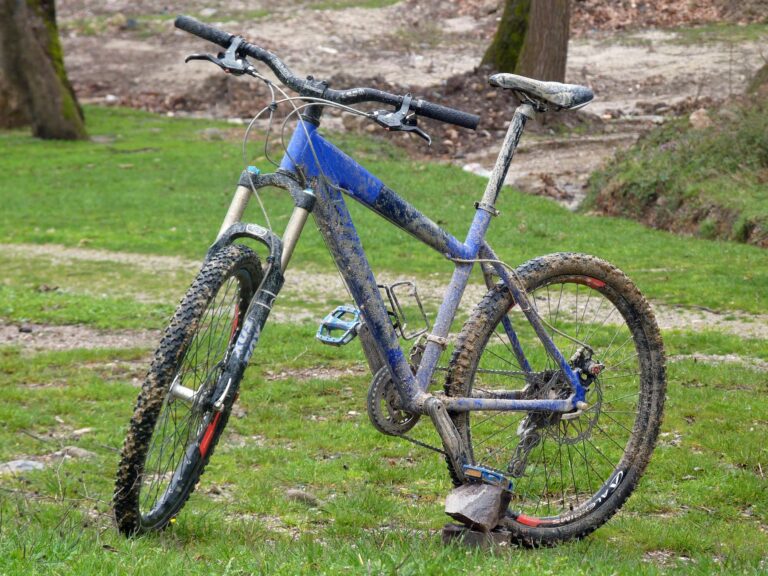
Corrosion represents the most pervasive storage-related damage, appearing in different forms depending on storage conditions and component materials. Steel components including many handlebars, stems, seatposts, and hardware develop surface rust that may only affect appearance or may indicate deeper structural concerns. Aluminum components oxidize with a white powdery residue that rarely compromises strength but indicates moisture exposure. Carbon fiber components resist corrosion but may have developed galvanic corrosion where aluminum hardware contacts the carbon, as dissimilar metals and moisture create electrochemical cells that corrode the aluminum and potentially damage the carbon interface. Seized seatposts and stems present particular challenges after storage in humid conditions. Forcing a seized post risks frame damage, especially with carbon frames where the clamping interface has narrow safety margins.
The proper approach involves patience and penetrating lubricant applied over several days. Warning: never apply heat to free a seized component in a carbon frame, as the resin matrix begins degrading at temperatures far below what would affect aluminum or steel. The damage may be invisible but creates a failure point that could collapse catastrophically under load. Cable routing inside frames creates hidden corrosion zones where moisture accumulates and cannot evaporate. Symptoms include sticky shifting that does not improve with derailleur adjustment, as internal cables corrode and bind against housing or frame guides. Complete cable replacement with new internal housing addresses this problem, and the opportunity to inspect internal frame surfaces during cable routing may reveal corrosion requiring treatment before it compromises structural integrity.
Establishing a Seasonal Equipment Documentation System
Maintaining records of component installation dates, service intervals, and measurements transforms equipment maintenance from reactive to predictive. A simple spreadsheet tracking chain installation date and mileage, brake pad replacement intervals, and tire age allows you to anticipate needs before failures occur. For example, knowing your typical chain lifespan is two thousand miles lets you check chain wear proactively at fifteen hundred miles rather than waiting for shifting problems that indicate wear has already damaged the cassette.
Photographs provide valuable documentation, particularly of component conditions that change gradually. Taking images of tire sidewalls, brake pad thickness, and contact points during seasonal preparation creates comparison references for future inspections. When a component looks questionable, comparing current condition against baseline images often clarifies whether deterioration warrants concern or falls within normal parameters.
How to Prepare
- **Clean the entire bicycle thoroughly.** Remove wheels, seatpost, and accessories to access all frame surfaces. Use appropriate cleaners for different materials and components. Cleaning first reveals damage or wear that grime obscures, preventing overlooked problems that compromise other work.
- **Inspect frame and fork for damage.** Check for cracks, dents, corrosion, and any signs of impact damage. Pay particular attention to areas under cables, around bottle cage bolts, and at the bottom bracket and head tube junctions. Carbon frames require careful inspection for delamination indicated by discoloration or a dull sound when tapped.
- **Service the drivetrain completely.** Clean chain, cassette, and chainrings. Measure chain wear and replace if elongated. Check chainring bolt tightness and derailleur pivot function. Apply fresh lubricant appropriate for your riding conditions, whether wet or dry formulations.
- **Evaluate and service brake systems.** Check pad wear and condition. Inspect rotors for contamination, warping, or wear lines. Assess hydraulic fluid condition or cable and housing integrity. Bleed hydraulic systems or replace cables as needed. **Warning:** Failing to properly bed in new brake pads causes glazing and permanently reduced braking performance. Follow proper break-in procedures with gradual stops from increasing speeds.
- **Inspect wheels, tires, and accessories.** Check spoke tension, bearing smoothness, and tire condition. Verify tire age via date codes. Test all lights, computers, and accessories for function and secure mounting.
How to Apply This
- **Assess your riding conditions and storage history.** A road bike stored in a climate-controlled space requires less corrosion inspection than a mountain bike stored in a shed. A bike ridden through winter needs cleaning emphasis, while a bike unused for months needs more attention to component degradation and lubrication distribution.
- **Identify high-wear components from your previous season.** Review any notes or recall problems encountered last fall. Components that required adjustment repeatedly likely need replacement rather than additional adjustment. Address root causes rather than symptoms.
- **Match component attention to safety consequences.** Prioritize brake systems, wheels, and frame inspection over cosmetic concerns or performance optimization. A squeaky bottom bracket is annoying but rarely dangerous, while contaminated brake pads can cause crashes.
- **Create a pre-ride checklist specific to your bike.** Different bicycles have different failure points based on design, components, and your usage patterns. Document the specific items requiring verification before each ride, from quick release security to electronic shifting battery level.
Expert Tips
- Lubricant selection matters significantly for chain longevity. Wet lubricants protect better in rain but attract more grit in dry conditions. Dry lubricants stay cleaner but wash off quickly. Choose based on your actual riding conditions rather than marketing claims, and do not use wet lubricant in dusty summer conditions simply because it was appropriate for spring rain.
- Inspect quick releases or thru axles for thread condition and clamping force. These components loosen over repeated use and rarely receive attention until a wheel shifts under braking. Check engagement at every seasonal preparation.
- Torque specifications exist for safety reasons, particularly with carbon components. Using a calibrated torque wrench prevents overtightening that cracks carbon or undertightening that allows slippage. Do not estimate torque based on feel, especially on stems, seatpost clamps, and handlebar clamps where failure causes severe crashes.
- Test ride in a controlled environment before joining group rides or tackling descents. A parking lot session reveals brake rubbing, shifting hesitation, and handling problems without consequences. Discovering brake contamination while descending a mountain pass creates genuinely dangerous situations.
- Do not lubricate brake rotors or pad surfaces under any circumstances, despite products claiming brake compatibility. Any lubricant contamination requires rotor cleaning with isopropyl alcohol and pad replacement, as contamination wicks into pad material permanently.
Conclusion
Seasonal cycling equipment preparation prevents mechanical failures, ensures safe operation, and extends component life through systematic inspection and maintenance. The time invested before the riding season begins pays dividends through reliable performance and avoided repairs that result from neglect. Each bicycle system requires specific attention, from drivetrain cleaning and measurement to brake system evaluation and wheel inspection, and the proper sequence of tasks prevents overlooking critical safety items.
Establishing a documented maintenance routine transforms seasonal preparation from an overwhelming task into a manageable checklist completed incrementally. Beginning the process weeks before your target first ride allows time for parts ordering and professional service if inspections reveal needs beyond home mechanic capabilities. Your bicycle represents both a significant investment and a machine you trust with your safety at speed. Proper seasonal preparation respects both considerations, ensuring many miles of reliable riding through the months ahead.
Frequently Asked Questions
How long does it typically take to see results?
Results vary depending on individual circumstances, but most people begin to see meaningful progress within 4-8 weeks of consistent effort. Patience and persistence are key factors in achieving lasting outcomes.
Is this approach suitable for beginners?
Yes, this approach works well for beginners when implemented gradually. Starting with the fundamentals and building up over time leads to better long-term results than trying to do everything at once.
What are the most common mistakes to avoid?
The most common mistakes include rushing the process, skipping foundational steps, and failing to track progress. Taking a methodical approach and learning from both successes and setbacks leads to better outcomes.
How can I measure my progress effectively?
Set specific, measurable goals at the outset and track relevant metrics regularly. Keep a journal or log to document your journey, and periodically review your progress against your initial objectives.
When should I seek professional help?
Consider consulting a professional if you encounter persistent challenges, need specialized expertise, or want to accelerate your progress. Professional guidance can provide valuable insights and help you avoid costly mistakes.
What resources do you recommend for further learning?
Look for reputable sources in the field, including industry publications, expert blogs, and educational courses. Joining communities of practitioners can also provide valuable peer support and knowledge sharing.