Understanding adjusting bike gears after winter storage is essential for anyone interested in bicycles and cycling. This comprehensive guide covers everything you need to know, from basic concepts to advanced strategies. By the end of this article, you’ll have the knowledge to make informed decisions and take effective action.
Table of Contents
- Why Do Bike Gears Need Adjustment After Winter Storage?
- Signs Your Derailleur Needs Post-Storage Adjustment
- How Cable Stretch Affects Shifting Performance
- Step-by-Step Rear Derailleur Adjustment Process
- Front Derailleur Troubleshooting After Storage
- When to Replace Cables Versus Adjust Them
- How to Prepare
- How to Apply This
- Expert Tips
- Conclusion
- Frequently Asked Questions
Why Do Bike Gears Need Adjustment After Winter Storage?
Steel shift cables stretch over time, but the process accelerates when a bike transitions from regular use to prolonged inactivity. During riding, cables maintain tension and distribute stress evenly. In storage, gravity and static positioning allow cables to settle into new shapes, particularly where they exit housing ferrules or wrap around frame guides. A cable that felt perfectly tensioned in October may have effectively lengthened by a millimeter or two by spring””enough to throw off indexing across the entire cassette. Housing compression compounds the issue. The plastic-lined metal coils that protect shift cables gradually compact under sustained pressure from tight bends or crimped housing ends.
This compression shortens the effective housing length relative to the cable, creating slack in the system. Bikes stored with the handlebars turned sharply or hung from hooks that pinch housing are especially susceptible. Compare this to hydraulic brake systems, which maintain consistent feel regardless of storage duration because fluid does not stretch or compress like mechanical cables. Temperature cycling also plays a role. Aluminum derailleur bodies and steel hardware expand and contract at different rates. Over dozens of freeze-thaw cycles, limit screws and cable anchor bolts can loosen fractionally. A rear derailleur that was precisely adjusted may shift into the spokes if the high-limit screw has backed out even a quarter turn during storage.
Signs Your Derailleur Needs Post-Storage Adjustment
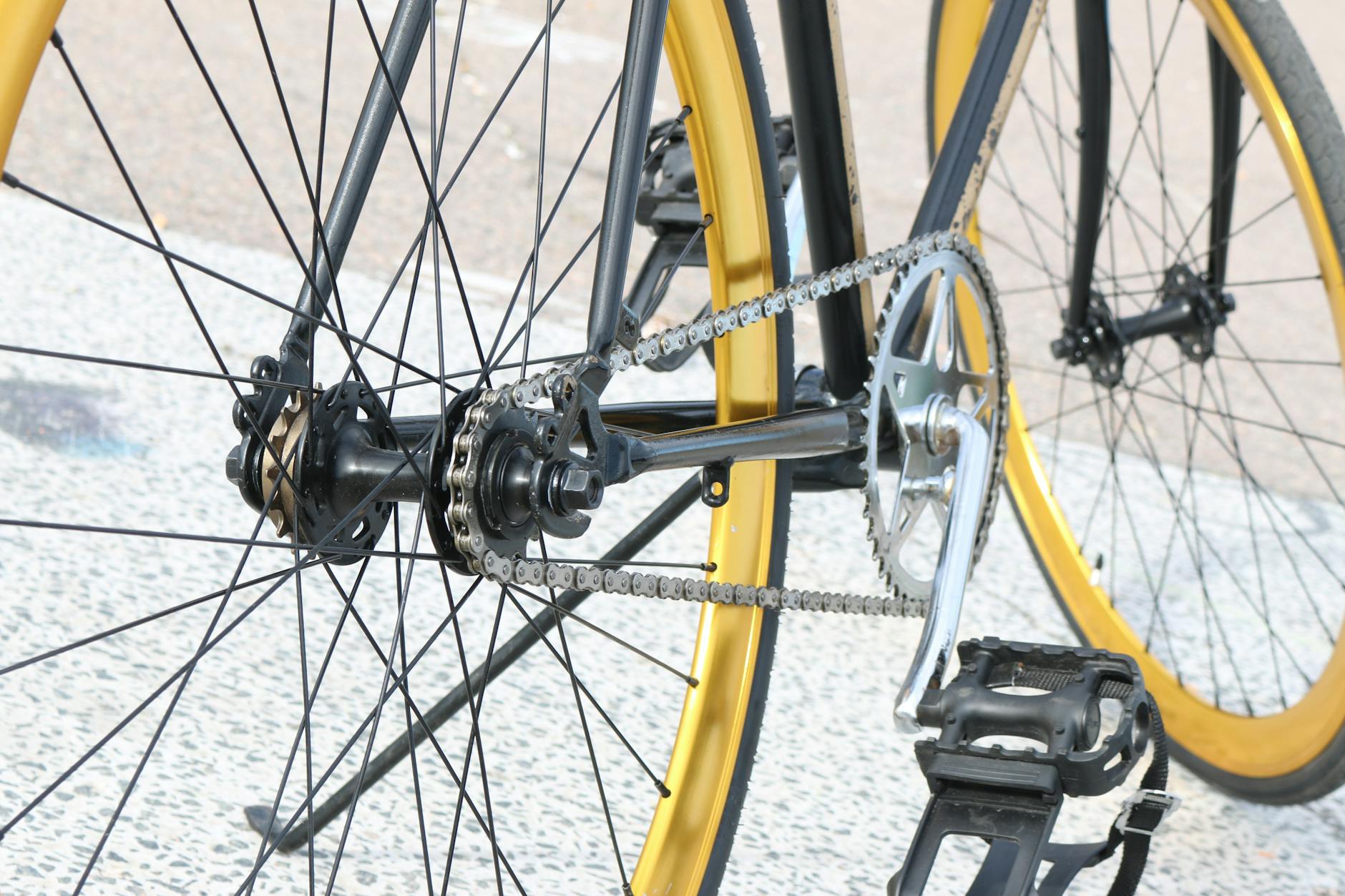
The most obvious symptom is hesitation during shifts””clicking the lever produces no immediate chain movement, followed by a delayed jump between gears. This indicates insufficient cable tension, meaning the derailleur spring is overpowering the cable’s ability to hold position. Less obviously, shifts that require multiple clicks or feel mushy suggest the same underlying problem. Ghost shifting, where the chain moves between gears without lever input, typically signals the opposite condition: excess cable tension or a bent derailleur hanger. If your bike sat through winter with heavy objects leaning against it, or took a fall while being moved, the hanger may have bent enough to cause phantom gear changes under pedaling load.
However, if ghost shifting only occurs under hard pedaling and not when spinning lightly, the cause is more likely a worn chain or cassette rather than a derailleur issue””a distinction that matters because no amount of adjustment fixes worn components. Noise serves as another diagnostic tool. A properly indexed drivetrain runs quietly in every gear. Persistent clicking or chirping in specific gears indicates the chain is trying to climb onto adjacent cogs, a sign of imprecise indexing. A bike stored with the chain cross-chained””big ring to big cog””may show accelerated wear in those gears specifically, producing noise that adjustment cannot fully eliminate.
How Cable Stretch Affects Shifting Performance
Shift cables operate under constant tension, typically between 15 and 30 pounds depending on derailleur spring strength. New cables experience the most stretch during their first few hundred miles as the individual wire strands settle against each other and housing ferrules seat fully. A bike ridden regularly reaches equilibrium, but winter storage resets this process by allowing cables to relax and housing to shift position. The practical effect is measurable. A cable that stretches by 1.5 millimeters translates to roughly one-third of a gear’s worth of indexing error on most rear derailleurs.
This explains why post-storage bikes often shift adequately through most of the cassette but skip or hesitate on specific gears””the cumulative error becomes significant only at certain points in the derailleur’s range of motion. Different cable materials respond differently to storage. Stainless steel cables stretch more initially but stabilize relatively quickly. Coated cables resist corrosion better but may compress their coating material over time, effectively stretching even when the steel core remains stable. Some mechanics recommend pre-stretching new cables by pulling firmly before final adjustment, which reduces later settling. For a bike coming out of storage, this pre-stretching has already occurred, making simple tension adjustment usually sufficient.
Step-by-Step Rear Derailleur Adjustment Process
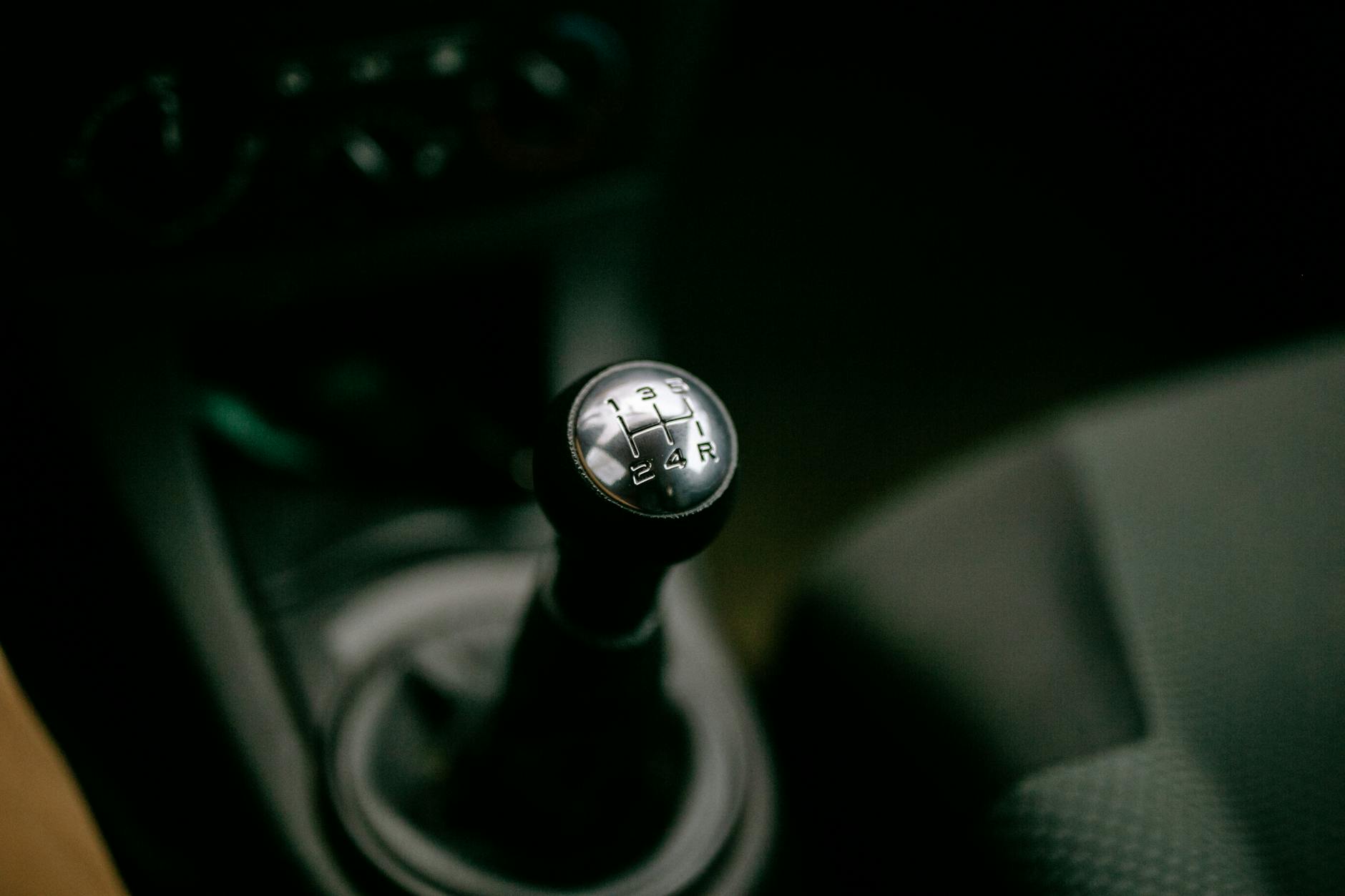
Begin by shifting to the smallest cog and visually inspecting derailleur alignment. The upper pulley wheel should sit directly beneath the smallest cog when viewed from behind the bike. If it angles inward or outward, the derailleur hanger is likely bent and requires straightening before any cable adjustment will hold. A derailleur alignment gauge provides precise measurement, but eyeballing gets most home mechanics close enough for functional shifting. Next, check limit screw positions without touching cable tension. Shift to the smallest cog, disconnect the cable, and manually push the derailleur inward””it should stop precisely at the smallest cog without allowing the chain to jump off the cassette outboard side.
Then, push it toward the wheel””the movement should stop before the chain can contact the spokes. These limits rarely need adjustment after storage unless the bike was damaged, but confirming them prevents the more frustrating scenario of perfect indexing marred by the chain falling off at the extremes. Cable tension adjustment happens at the barrel adjuster, either on the derailleur itself or at the shift lever. With the cable reconnected and the chain on the smallest cog, pedal forward while clicking one shift. If the chain hesitates before climbing to the second cog, turn the barrel adjuster counterclockwise one-quarter turn at a time until the shift becomes crisp. If the chain overshoots or chatters against the third cog, turn clockwise to reduce tension. Work through the entire cassette, as proper adjustment produces smooth shifts across all gears, not just the middle of the range.
Front Derailleur Troubleshooting After Storage
Front derailleurs present different challenges than rear units because they rely on lateral chain movement rather than precise indexing. The primary post-storage issue is usually insufficient cable tension causing the derailleur to fail reaching the big ring, or excessive friction from corroded cables preventing smooth operation altogether. Height and rotation matter more than on rear derailleurs. The outer cage plate should sit 1 to 3 millimeters above the big chainring teeth when viewed from the side, and the cage should parallel the chainring when viewed from above. Storage does not typically affect these settings unless something physically struck the derailleur, but checking takes only seconds and rules out a common source of poor shifting.
If the cage sits too high, the chain may overshoot during upshifts; too low, and it rubs constantly in the big ring. Limit screw adjustment follows similar logic to the rear derailleur but with tighter tolerances. The inner limit prevents the chain from dropping onto the bottom bracket shell, while the outer limit stops it from jumping past the big ring onto the crank arm. Front derailleurs also suffer more from cable routing friction””a front cable that runs under the bottom bracket collects more grit and moisture than rear cables routed along the top tube. If front shifting remains sluggish after tension adjustment, replacing the cable and housing often solves problems that no amount of barrel adjuster turning can fix.

When to Replace Cables Versus Adjust Them
Adjustment suffices when cables show no visible corrosion, fraying, or kinking. The barrel adjuster range provides guidance””if the adjuster reaches its limit before shifts become crisp, the cable has stretched beyond adjustable range and needs replacement. Most barrel adjusters offer roughly 10 millimeters of thread, sufficient to compensate for typical settling but not for cables that have experienced multiple seasons of stretch. Frayed cables present a safety concern beyond poor shifting. A cable that breaks under tension can whip back into hands or face, and a stuck shift lever becomes useless at the worst possible moment””climbing a hill or navigating traffic.
Inspect cables at anchor bolts, where crushing causes the most damage, and at sharp bends where repeated flexing fatigues individual strands. Any visible broken strands warrant immediate replacement regardless of shifting quality. Cost comparison favors DIY replacement for mechanically inclined riders. A quality cable and housing set runs between 15 and 40 dollars depending on material, while shop labor adds 30 to 50 dollars for installation. However, internal cable routing on modern frames complicates replacement significantly””some frames require professional tools or frame-specific techniques that make shop service worthwhile despite the added cost. A bike with external cable routing represents an ideal learning project, while internally routed frames often justify professional attention.
How to Prepare
- Research the topic thoroughly using reliable sources
- Assess your current situation and identify your specific needs
- Set clear, measurable goals for what you want to achieve
- Gather necessary resources and tools
- Create a timeline and action plan
How to Apply This
- **Work in a repair stand or flip the bike upside down.** Accurate adjustment requires pedaling while shifting, which is impossible with the bike on the ground. A repair stand provides ideal access, but resting the bike on its handlebars and seat works for basic adjustment. Protect bar tape and saddle from ground contact if flipping.
- **Start with the rear derailleur in the smallest cog.** This position places minimum tension on the cable and represents the baseline for indexed systems. Make all cable tension adjustments from this starting point to maintain consistency.
- **Adjust in quarter-turn increments and test immediately.** Large adjustments overshoot easily, requiring correction in the opposite direction. Small changes accumulate predictably””four quarter-turns equal one full rotation, easy to track mentally. Test shifts through the full cassette range after each adjustment.
- **Verify adjustment under pedaling load before riding.** Shifts that work perfectly while spinning the cranks lightly may fail under power. Apply resistance to the rear wheel using your hand while shifting to simulate climbing load. If shifts falter under resistance, add slight additional cable tension.
Expert Tips
- Barrel adjusters work opposite to intuition””counterclockwise increases cable tension because it lengthens the housing, effectively shortening the cable relative to anchor points. Remember “lefty tighty” for shift cables.
- Do not adjust limit screws to solve indexing problems. Limit screws only prevent the chain from leaving the cassette entirely; they have no effect on shift quality between intermediate gears. Chasing indexing issues with limit screws usually creates worse problems.
- The B-tension screw, often overlooked, affects shifting quality significantly. This screw controls the gap between the upper pulley and cassette. Too close causes noise and hesitation; too far reduces shifting precision. Most systems specify 5 to 6 millimeters of clearance in the largest cog.
- Store your bike in the smallest chainring and smallest cog to minimize cable tension during off-season months. This position reduces cable stretch and decreases spring fatigue in both derailleurs.
- After adjustment, apply a drop of light oil to cable entry points at housing ferrules. This reduces friction and prevents corrosion at the most vulnerable spots in the system.
Conclusion
Post-storage gear adjustment ranks among the most accessible maintenance tasks for home mechanics, requiring only basic tools, methodical attention, and willingness to proceed in small increments. The fundamental principles remain consistent across bike styles and component brands: cables stretch and housing compresses during storage, requiring tension correction to restore precise indexing. Understanding the relationship between cable tension, limit screws, and derailleur position transforms what initially seems like black magic into straightforward mechanical logic.
Regular riders benefit from establishing a spring tune-up routine that addresses gears alongside tire pressure, brake adjustment, and general safety inspection. A bike returned to service with properly adjusted gears rewards the effort immediately””smooth shifts improve efficiency, reduce drivetrain noise, and make every ride more enjoyable. For those who discover problems beyond simple adjustment, recognizing when to seek professional help prevents component damage and ensures safety on the road or trail.
Frequently Asked Questions
How long does it typically take to see results?
Results vary depending on individual circumstances, but most people begin to see meaningful progress within 4-8 weeks of consistent effort. Patience and persistence are key factors in achieving lasting outcomes.
Is this approach suitable for beginners?
Yes, this approach works well for beginners when implemented gradually. Starting with the fundamentals and building up over time leads to better long-term results than trying to do everything at once.
What are the most common mistakes to avoid?
The most common mistakes include rushing the process, skipping foundational steps, and failing to track progress. Taking a methodical approach and learning from both successes and setbacks leads to better outcomes.
How can I measure my progress effectively?
Set specific, measurable goals at the outset and track relevant metrics regularly. Keep a journal or log to document your journey, and periodically review your progress against your initial objectives.
When should I seek professional help?
Consider consulting a professional if you encounter persistent challenges, need specialized expertise, or want to accelerate your progress. Professional guidance can provide valuable insights and help you avoid costly mistakes.
What resources do you recommend for further learning?
Look for reputable sources in the field, including industry publications, expert blogs, and educational courses. Joining communities of practitioners can also provide valuable peer support and knowledge sharing.