Understanding how to store your bike properly to prevent damage is essential for anyone interested in bicycles and cycling. This comprehensive guide covers everything you need to know, from basic concepts to advanced strategies. By the end of this article, you’ll have the knowledge to make informed decisions and take effective action.
Table of Contents
- What Is the Best Way to Store a Bike to Prevent Long-Term Damage?
- Indoor vs. Outdoor Bike Storage: Comparing the Real Tradeoffs
- The Effects of Temperature and Humidity on Stored Bicycles
- Common Bike Storage Mistakes That Cause Preventable Damage
- Storing Multiple Bikes Without Losing Garage Space
- The Case for Investing in Proper Bike Storage Equipment
What Is the Best Way to Store a Bike to Prevent Long-Term Damage?
The best storage method is indoors, off the ground, in a climate-controlled or at least dry space. Wall-mounted hooks that hold the bike by the wheel or frame are the most popular solution for home storage, and for good reason — they keep the bike out of the way, prevent pressure on tires, and reduce the chance of the bike getting knocked over. Floor-standing vertical racks are a solid alternative for renters or anyone who cannot drill into walls. The key principle is that the bike should be stable, upright or suspended, and not resting on its tires for extended periods. A bike stored on a flat tire for months can develop a permanent flat spot in the tire, and the rim can press through the rubber in extreme cases. Outdoor storage is a compromise, not a solution. If you have absolutely no indoor option, a breathable bike cover and a solid lock are the bare minimum.
Waterproof tarps, despite the instinct, tend to trap condensation underneath and accelerate corrosion rather than prevent it. A breathable cover allows moisture to escape while still shielding the frame from rain and UV exposure. Even then, outdoor-stored bikes require significantly more frequent maintenance — expect to clean and re-lubricate the drivetrain at least twice as often as you would with indoor storage. The difference in outcomes is measurable. A bike stored in a dry garage with basic preparation will typically need only a quick tune-up come spring. A bike left outdoors under a tarp all winter may need new cables, a new chain, and possibly new brake pads before it is safe to ride. The cost gap between those two scenarios makes the investment in proper storage equipment straightforward to justify.
Indoor vs. Outdoor Bike Storage: Comparing the Real Tradeoffs
Indoor storage is clearly superior for the bike, but the practical reality is that not everyone has a spare room, a garage, or a landlord willing to tolerate tire marks on hallway walls. For apartment dwellers, wall-mounted vertical hooks that hold the bike by the front wheel are the most space-efficient option, taking up roughly the width of your handlebars and extending about six feet up the wall. Horizontal wall mounts that hold the bike parallel to the wall look cleaner but require more linear wall space. Ceiling hoists work in garages with high clearance, but they are awkward enough to operate that many riders stop using them after a few months. However, if you live in a humid climate — coastal areas, the Pacific Northwest, or much of the Southeast — even indoor storage is not automatically safe.
A damp basement or an unheated detached garage can be nearly as corrosive as the outdoors. In these environments, a dehumidifier or at least good airflow matters more than the specific rack you choose. Steel and chromoly frames are the most vulnerable to humidity-driven corrosion, but even aluminum bikes develop oxidation on exposed hardware, and carbon fiber frames can absorb moisture through chips in the clear coat, potentially weakening the layup over time. For riders who must store bikes outside, covered parking structures and building overhangs are significantly better than open exposure. The goal is to minimize direct contact with rain and dew while still allowing air circulation. Locking the bike to something immovable is equally important, since a well-maintained bike stored outdoors is an obvious theft target.
The Effects of Temperature and Humidity on Stored Bicycles
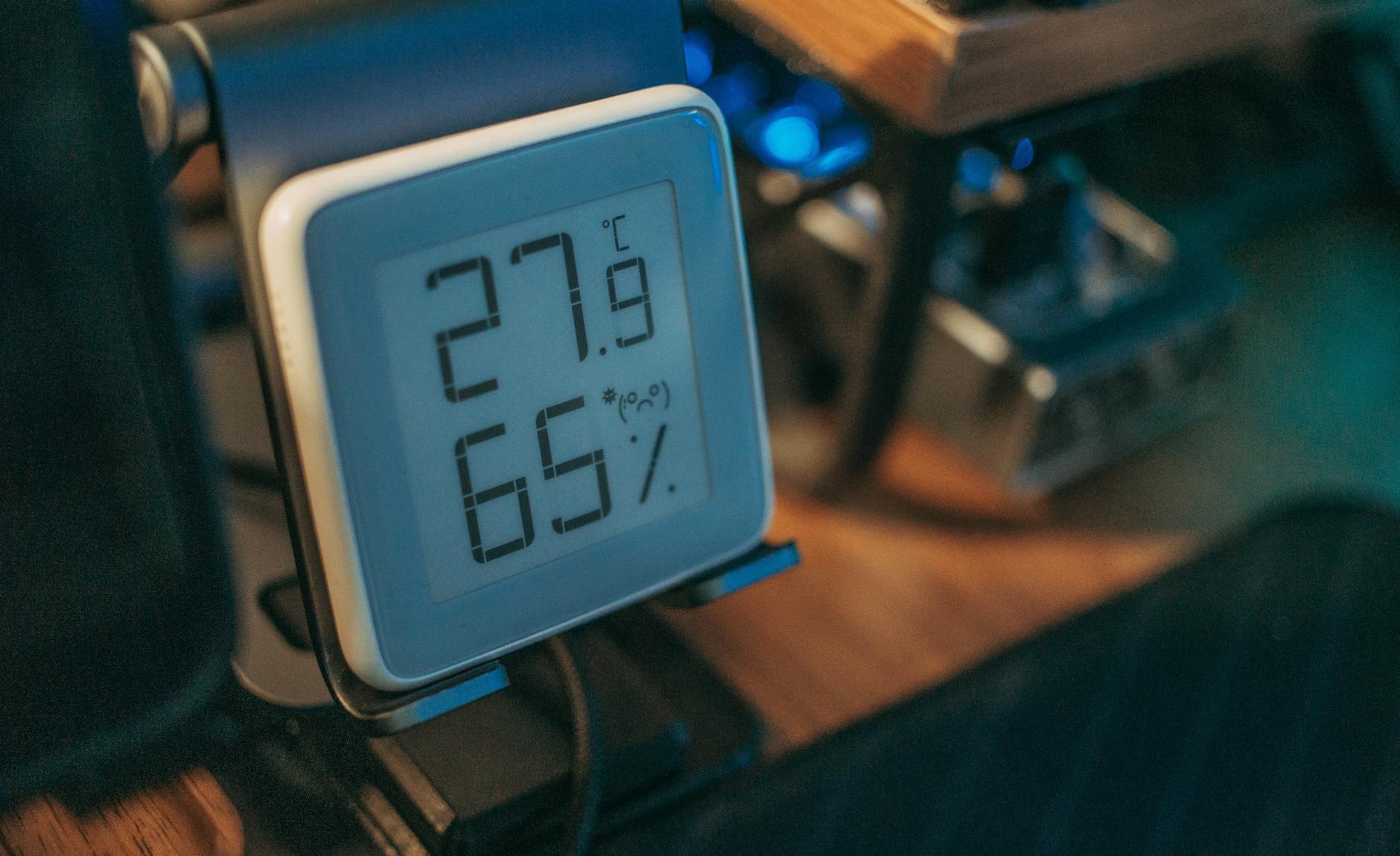
Temperature swings are more damaging than steady cold or steady heat. A bike stored in an uninsulated garage goes through daily thermal cycles that cause metal components to expand and contract, loosening bolts over time and creating condensation as warm air meets cold metal surfaces. This condensation is the real enemy — it collects inside the frame tubes, in the bottom bracket shell, and around headset bearings where you cannot see it. Historically, frame builders have recommended applying a light internal rust inhibitor, such as a frame-saver spray, inside steel tubes before winter storage, especially for frames without internal paint or treatment. Extreme heat is a separate concern.
Bikes stored in direct sunlight or in cars during summer can reach temperatures that degrade tire rubber, handlebar tape adhesive, and even some lubricants. Prolonged UV exposure fades paint and weakens plastic components like cable housing end caps and shift lever covers. Temperatures above roughly 140 degrees Fahrenheit, which the interior of a closed car can easily exceed in summer, can also soften some adhesives used in carbon fiber construction — a risk that is low but not zero. For most riders, the practical takeaway is straightforward: a cool, dry, shaded space is ideal. If that is not available, prioritize dryness over temperature control. A cold but dry shed is better for the bike than a warm but damp basement.
Common Bike Storage Mistakes That Cause Preventable Damage
Leaning the bike against a wall by the handlebars or saddle is perhaps the most common storage mistake, and it seems harmless until the bike slides and crashes onto the derailleur side. A bent derailleur hanger is one of the most frequent repair shop visits after winter storage, and it is almost always caused by a fall during storage rather than a riding incident. Using a proper stand, hook, or at the very least placing the bike with the drive side facing away from the wall reduces this risk. Hanging a bike with a carbon frame by the top tube using a standard hook can, over months, create a pressure point that damages the tube. Carbon fiber is strong under distributed loads but vulnerable to concentrated point pressure. If you hang a carbon bike, use hooks that cradle the wheel rather than clamp the frame, or use padded hooks specifically designed for carbon tubes. This caveat does not apply to aluminum or steel frames, which tolerate hook pressure without issue. Another often-overlooked mistake is storing the bike near chemicals. Garage storage puts bikes in proximity to fertilizers, pool chemicals, solvents, and car batteries — all of which can off-gas corrosive fumes. Chlorine-based pool chemicals are especially aggressive toward chrome and polished aluminum surfaces.
If your garage doubles as a chemical storage area, keep the bike as far from those materials as possible, or cover it with a breathable cloth barrier. ## How to Bring a Stored Bike Back to Riding Condition After any storage period longer than a few weeks, resist the temptation to just pump the tires and ride. A proper post-storage check takes only a few minutes and can prevent a mechanical failure on the road. Start with the tires — inspect the sidewalls for cracking or dry rot, especially if the bike was stored in heat or sunlight. Spin each wheel and check for wobble, which could indicate a spoke that has loosened during temperature cycles. For example, a bike stored through a full winter in an unheated garage commonly develops one or two slightly loose spokes, which is an easy truing-stand fix but a potential wheel failure if ignored. Check the brakes by squeezing each lever firmly. The pads should contact the rim or rotor evenly and with adequate force. Hydraulic brakes may feel spongy after long storage if a small amount of air has entered the system; this requires a bleed. Shift through all gears on a stand before riding, since cables stretch and housings settle during storage, often requiring a quarter-turn of the barrel adjuster to bring shifting back to crisp. Lubricate the chain if it feels dry, and bounce the bike gently on its tires to listen for rattles or loose parts.
Storing Multiple Bikes Without Losing Garage Space
For households with more than one or two bikes, vertical storage is the most space-efficient approach. A vertical wall rack that holds bikes by the front wheel, alternating high and low, can fit four bikes in roughly six feet of wall space — the same footprint that two bikes would occupy if stored horizontally.
Freestanding vertical towers are a good option for renters, though they tend to be less stable than wall-mounted systems when fully loaded. The tradeoff with vertical storage is accessibility: the bike hung highest is always the most inconvenient to retrieve, so put the least-used bike at the top.

The Case for Investing in Proper Bike Storage Equipment
A quality wall-mounted bike hook or rack is one of the most cost-effective investments in cycling, dollar for dollar. The expense of a basic hook system is trivial compared to even a single derailleur hanger replacement and cable rethreading at a shop.
Beyond damage prevention, proper storage keeps the bike accessible, which means you ride more — and a bike that gets ridden regularly actually needs less intensive maintenance than one that sits neglected between sporadic outings. As bike component prices have generally trended upward and supply chains have experienced periodic disruptions in recent years, protecting what you already own makes more practical sense than ever.