A stuck seatpost is one of the most frustrating problems a cyclist can face, but it’s almost always preventable with regular maintenance and proper installation practices. The solution depends on what’s causing the seizure: for corrosion between dissimilar metals (typically aluminum posts in steel frames), penetrating oils like PB Blaster or Kroil applied over several days often work, while galvanic corrosion between aluminum and carbon may require careful ammonia treatment or professional intervention. Prevention, however, is straightforward—apply appropriate anti-seize compound or carbon assembly paste during installation, and remove your seatpost at least twice a year to clean and reapply.
Consider the common scenario of a commuter bike that sits outside through a wet winter. The rider never adjusts the saddle height, and by spring, the aluminum seatpost has bonded to the steel frame through oxidation and galvanic corrosion. What would have taken thirty seconds of preventive maintenance now requires hours of careful extraction work—or worse, a trip to a frame builder with specialized tools. This article covers the full spectrum of seatpost maintenance: routine care, extraction methods for stuck posts ranging from gentle to aggressive, the critical role of material compatibility, and when professional help becomes the wisest investment.
Table of Contents
- Why Do Seatposts Get Stuck and How Can You Prevent It?
- The Graduated Approach to Seatpost Extraction
- Chemical Solutions for Severely Corroded Posts
- Material Compatibility and Proper Installation
- When Professional Extraction Becomes Necessary
- Routine Maintenance Schedule and Inspection
- Long-Term Thinking: Post and Frame Longevity
- Conclusion
Why Do Seatposts Get Stuck and How Can You Prevent It?
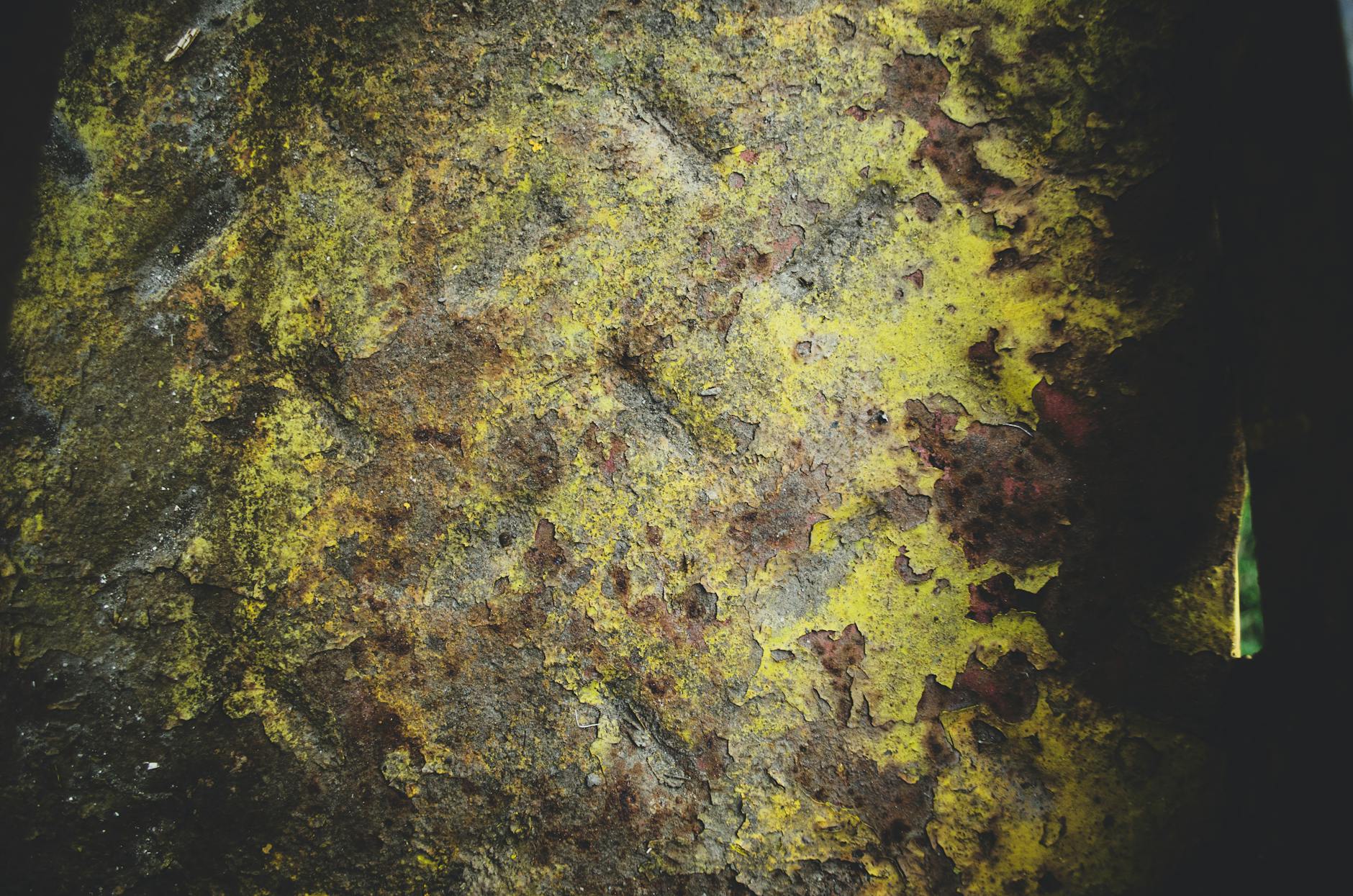
The primary culprit behind seized seatposts is galvanic corrosion, an electrochemical reaction that occurs when two dissimilar metals are in contact with an electrolyte—in this case, water or even humidity. Aluminum seatposts in steel or titanium frames are particularly vulnerable because aluminum sits lower on the galvanic scale, causing it to corrode preferentially. This corrosion creates aluminum oxide, which expands and essentially welds the post to the frame. Carbon fiber frames present a different challenge: while carbon itself doesn’t corrode, the aluminum particles in some assembly pastes or debris trapped in the seat tube can trigger reactions with aluminum posts.
Prevention requires just two things: the right interface compound and periodic inspection. For metal-to-metal contact, anti-seize compound (typically copper or aluminum-based) creates a barrier that prevents galvanic reaction while allowing future removal. For carbon frames or carbon seatposts, use carbon assembly paste instead—this contains grit particles that increase friction without requiring the damaging torque that can crack carbon. The critical maintenance interval varies by riding conditions: cyclists in wet climates or those who regularly wash their bikes should remove and regrease seatposts every three to four months, while fair-weather riders in dry climates might manage with twice-yearly service. The comparison is stark: a tube of anti-seize costs a few dollars and lasts years, while professional stuck seatpost removal can run well over a hundred dollars—assuming the frame survives.

The Graduated Approach to Seatpost Extraction
When you discover a stuck seatpost, resist the temptation to immediately reach for aggressive methods. A graduated approach minimizes the risk of frame damage. Start with penetrating oil: spray it liberally around the seatpost collar and allow it to wick down between the post and seat tube. Products like PB Blaster, Kroil, or even a 50/50 mixture of automatic transmission fluid and acetone can break down corrosion. The key is patience—apply the penetrant daily for at least a week, rotating the bike periodically to help distribution. After each application, attempt to twist the post (never just pull) using moderate force.
If penetrating oil fails, the next step involves leveraging physics. Clamp the seatpost in a sturdy bench vise with soft jaws (to avoid crushing it), then use the entire frame as a lever, twisting back and forth. This provides far more torque than trying to twist the post while the frame is stationary. However, if you’re working with a carbon frame or a thin-walled aluminum frame, this method carries significant risk—excessive torque can crack the seat tube or deform the frame entirely. Another intermediate technique involves thermal cycling: carefully heating the seat tube area with a heat gun (not a torch on carbon) to expand the frame slightly, then immediately applying ice to the seatpost to contract it. This differential expansion can break the corrosion bond, but temperature extremes near welds or on carbon require extreme caution.
Chemical Solutions for Severely Corroded Posts
When mechanical methods fail, chemical approaches can dissolve the corrosion itself. For aluminum posts seized in steel frames, ammonia-based solutions attack the aluminum oxide without damaging steel. The classic method involves inverting the frame and pouring household ammonia (or a stronger solution if available) down the seat tube, allowing it to work for 24 to 48 hours. Some mechanics report success with products like Liquid Wrench or naval jelly for rust-related seizure in steel-to-steel situations. The limitation here is critical: chemical methods are material-specific and can cause serious damage if misapplied.
Ammonia will attack aluminum—that’s the point when you’re trying to dissolve corrosion—but it will also damage aluminum frames. Caustic solutions near titanium can cause hydrogen embrittlement, potentially weakening the frame invisibly. Carbon frames present another concern entirely, as some solvents can degrade the epoxy matrix that holds carbon fibers together. Before applying any chemical solution, you must be absolutely certain of both your frame and seatpost materials. If there’s any doubt, or if the bike has significant value, this is the point where professional assessment becomes worthwhile. A frame builder or experienced bike shop can evaluate the situation and has access to tools like hydraulic presses and reamers that most home mechanics lack.
Material Compatibility and Proper Installation
Understanding material combinations helps both prevent problems and select appropriate solutions. Steel frames are the most forgiving—they’re strong, not prone to cracking under extraction stress, and tolerate most chemical treatments. Use copper-based or aluminum-based anti-seize on steel frames with any metal seatpost. Aluminum frames require more care because the seat tube walls are often thinner, and aggressive extraction can crack or deform them. Anti-seize works here too, but overtorquing the seatpost clamp (which can seize posts through mechanical deformation rather than corrosion) is a common failure mode. Carbon frames demand specific protocols.
Never use metal-based anti-seize on carbon—the particles can abrade the surface and the compounds may be chemically incompatible. Carbon assembly paste with friction-enhancing grit is the only appropriate choice, applied in a thin layer. Torque specifications matter critically here; a torque wrench is not optional. Most carbon seatpost clamps specify something in the range of 4 to 6 Newton-meters, though you should always follow manufacturer specifications. Carbon seatposts in any frame type follow similar rules: assembly paste, careful torque, and absolutely no use of pipe wrenches or vise grips for extraction—the post will be destroyed, often leaving a stub that’s even harder to remove. The example worth noting is that many carbon post and frame combinations benefit from a very light coating of paste that some riders skip because the post seems to hold fine. Friction paste isn’t just about preventing slippage; it allows lower clamping force, which prevents the microscopic crushing that can seize carbon over time.
When Professional Extraction Becomes Necessary
Sometimes a seatpost defeats all reasonable home extraction methods, and continuing aggressive attempts risks destroying the frame. Recognizing this point is important. Signs that you’ve reached professional-help territory include: visible cracking or deformation of the seat tube, a seatpost that has sheared off flush with the frame, a high-value frame where the extraction cost is justified, or any situation involving carbon where chemical or high-force methods would be required. Frame builders and specialty bike shops have access to tools that simply aren’t practical for home mechanics. A hydraulic press can apply straight, controlled pulling force that’s impossible to achieve by hand.
Reamers and boring tools can carefully remove material from inside a stuck post without damaging the frame. For truly hopeless cases, some builders will cut slots in the seatpost (if it’s metal) to relieve pressure, or use a combination of heat, leverage, and patience over multiple sessions that wouldn’t be economical for a shop but that a skilled builder can accomplish. The warning here is about choosing your professional carefully: a general bike shop may simply apply more force than you did with similar results. Seek out a frame builder, a shop known for restoration work, or a mechanic who specifically advertises stuck seatpost removal. The cost varies widely based on difficulty and location, but it’s almost always less than a new frame.

Routine Maintenance Schedule and Inspection
Establishing a seatpost maintenance routine eliminates stuck post problems almost entirely. The basic protocol takes less than five minutes: remove the seatpost, wipe down both the post and the inside of the seat tube, inspect for any signs of corrosion or damage, apply fresh anti-seize or assembly paste, and reinstall to the proper torque. Mark your seatpost height with a piece of tape or a permanent marker before removal so you can return to your exact position. For a road bike ridden primarily in dry conditions, performing this service at the beginning of each season and once midway through is typically sufficient.
A commuter bike exposed to rain, road salt, or regular washing needs quarterly maintenance at minimum—some riders in harsh climates do this monthly. Mountain bikes present a middle ground depending on exposure to mud and water. The specific example worth adopting: tie seatpost maintenance to another regular task you already do, like seasonal tire changes or drivetrain deep-cleaning. Habits stick better when attached to existing routines.
Long-Term Thinking: Post and Frame Longevity
Proper seatpost maintenance isn’t just about avoiding the immediate frustration of a stuck post—it extends the functional life of your frame. A seat tube damaged during extraction may be repairable, but it’s never quite the same; internal scoring can become a site for future corrosion or cracking. Frames that have had posts chemically dissolved out may have reduced wall thickness in the seat tube area. And of course, frames that crack during extraction are typically a total loss.
Looking at the broader picture, the cycling industry has moved toward better education about material compatibility, and modern carbon frames often come with specific instructions about approved assembly compounds. Integrated seatpost designs eliminate the problem entirely on some high-end frames, though at the cost of adjustability and crash replaceability. For most cyclists on most bikes, the fundamentals remain unchanged: appropriate compound, correct torque, periodic service. It’s one of the simplest maintenance tasks on a bicycle, requiring no special tools beyond perhaps a torque wrench—yet it’s consistently neglected until problems arise. The difference between a well-maintained seatpost interface and a seized one is often just a few minutes of attention twice a year.
Conclusion
Stuck seatposts represent a preventable problem that becomes genuinely difficult once established. The solution hierarchy—penetrating oil with patience, mechanical leverage, chemical treatment, and finally professional extraction—should be approached gradually, with method selection based on frame and post materials. Aluminum posts in steel frames respond best to ammonia treatment after penetrants fail; carbon components require gentler approaches throughout; and high-value frames deserve professional assessment before aggressive attempts.
The far better path is prevention through routine maintenance. Anti-seize compound for metal-to-metal interfaces, carbon assembly paste for any carbon involvement, and removal plus reapplication at least twice yearly will keep any seatpost moving freely for the life of the bicycle. The tools are inexpensive, the time investment minimal, and the alternative—hours of frustrating extraction work or professional service fees—makes the case for maintenance self-evident. Mark your calendar, add it to your seasonal bike care routine, and the stuck seatpost becomes someone else’s problem.